

The number of pedestrians killed in Victoria in 2025 has reached a 17-year high, raising alarms about the increasing prevalence of large SUVs and utes potentially reversing years of road safety improvements. According to Transport Accident Commission data, 51 pedestrians have died on the state’s roads this year as of Saturday, marking the highest toll since 2008.
While pedestrian fatalities have surged, increasing by 27 percent since 2015 based on a four-year rolling average, deaths among drivers and vehicle passengers have decreased by 10 percent. Overall road user fatalities have reached 285 this year, one more than in 2024, continuing an upward trend that began post-COVID-19 pandemic.
Impact of Larger Vehicles on Road Safety
Melbourne University transport safety researcher Milad Haghani attributes the rise in pedestrian deaths to the growing size of vehicles. He warns that Australia is following a similar trajectory to the United States, where pedestrian fatalities, after hitting a low in 2009, increased by 77 percent to reach a 40-year high in 2022.
“If we don’t take action, we will just follow the same trajectory,” Haghani said.
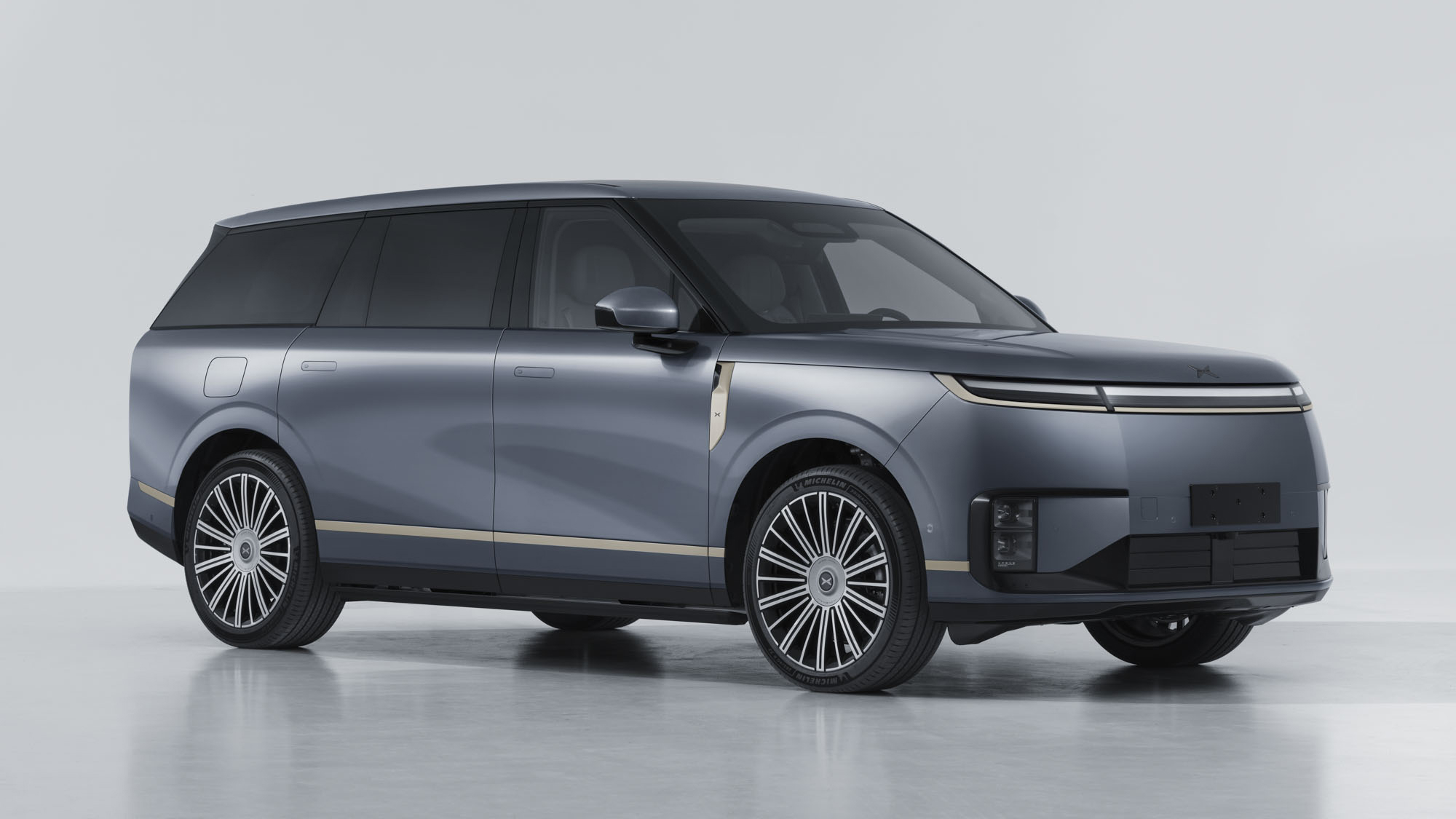
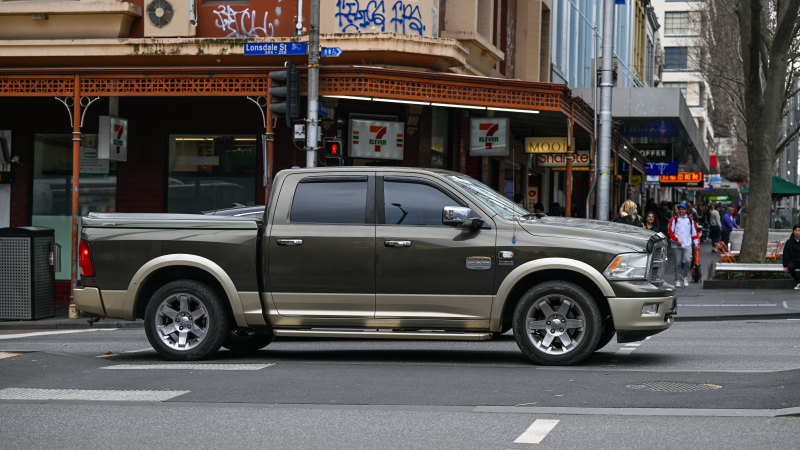
SUVs and light commercial vehicles, such as dual-cab utes, have largely replaced sedans as the preferred family car in Australia, now accounting for over 80 percent of new vehicle sales. A recent UK review of 24 academic studies found these vehicles are 44 percent more likely to kill an adult pedestrian or cyclist in a crash compared to sedans, and 82 percent more likely to kill a child.
Haghani highlights the design of these vehicles, noting their high, blunt front-ends that pose significant risks to pedestrians and cyclists. He explains that the impact often occurs at the upper body, chest, or head level, particularly hazardous for children.
“Combined with a heavier weight, that means a significantly higher risk of the crash becoming fatal,” Haghani added.
Calls for Policy Changes and Infrastructure Investment
Victoria Police Assistant Commissioner Glen Weir acknowledges that both pedestrian and driver inattention contribute to serious crashes, with larger vehicles exacerbating the problem. He emphasizes the need for adaptation to changing road and vehicle conditions, especially as urban areas become denser.
“People need to realise that where they’ve driven for a long time is going to change and [they need to] start adapting their behaviour,” Weir said.
Haghani advocates for government intervention to curb the trend of purchasing unnecessarily large vehicles, similar to initiatives promoting lower-polluting cars. He criticizes existing policies that inadvertently encourage the purchase of larger vehicles, such as the exemption of two-tonne American pick-up trucks from the 33 percent luxury car tax applicable to sedans over $80,567.
“There is incentive for people to not pay that extra tax and just pay towards the price of the car, and that means they get a bigger car,” he explained.
Victoria Walks CEO Sarah Pilgrim points out that many modern vehicles have bonnets so high that drivers cannot see pedestrians directly in front of them, contradicting advancements in vehicle safety technology. She calls for more investment in pedestrian infrastructure and lower speed limits in high-traffic areas to reduce pedestrian fatalities.
Comparative Insights and Future Directions
Carla Hoorweg, CEO of the Australasian New Car Assessment Program (ANCAP), stresses the importance of good vehicle design in pedestrian crash survival rates. She notes that while pedestrian impact protection is mandated in Europe and Japan, it is not yet a requirement in Australia.
“Pedestrian impact protection has been part of vehicle regulation in Europe and Japan for many years,” Hoorweg said.
Weir also highlights that a significant portion of fatal crashes this year occurred on rural roads, accounting for 154 of the 285 fatalities. These incidents often happen on single-lane, non-separated sections, with basic driving errors or inattention causing about 60 percent of fatal crashes.
The rise in pedestrian deaths in Victoria underscores the urgent need for policy reform, infrastructure investment, and public awareness to address the challenges posed by larger vehicles and evolving urban landscapes. As the state grapples with these issues, the focus remains on preventing further loss of life and ensuring safer roads for all users.