

Australia’s renewable energy boom is reshaping the landscape, but when new green energy projects threaten the wildlife they are meant to save, who decides what gets sacrificed? This question looms large in the small town of Nelson, near the Victoria–South Australia border, where plans for a 105-turbine wind farm are causing concern among local residents and environmentalists.
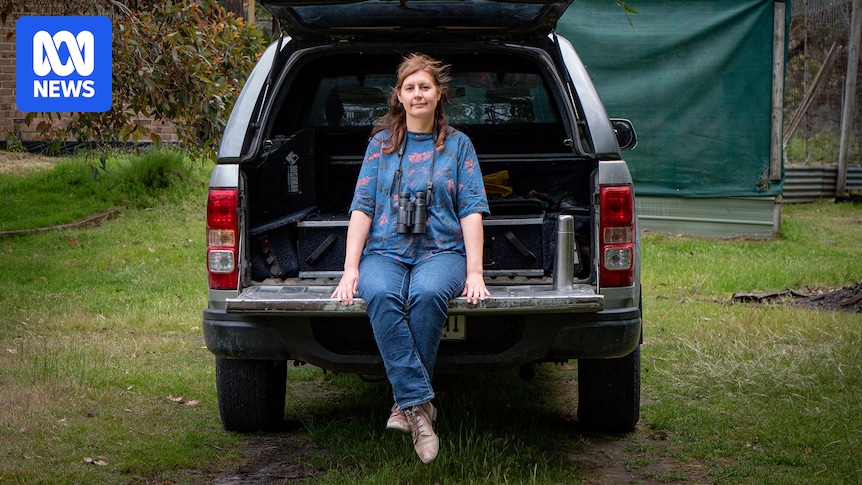
Cassie Hlava, an ecologist and deputy convenor for BirdLife Southeast South Australia, has a deep connection with the local wildlife. Her home doubles as an avian observation post, where she has spotted 84 different bird species in her backyard. Yet, the proposed Kentbruck Green Power Hub, situated between a Ramsar-protected wetland and national parks, threatens to disrupt this natural haven.
Environmental Concerns and Expert Opinions
The proposed wind farm has sparked fears that endangered birds could collide with the turbines or avoid flying through the area, disrupting their natural migration routes. Environmental experts warn that this could set a dangerous precedent for similar developments across Australia.
Mark Bachmann, founder of the Nature Glenelg Trust, has worked tirelessly to restore the nearby Long Swamp wetland, which was granted Ramsar protection status in 2018. He argues that placing a major development so close to this ecologically sensitive area is a mistake. “There is no way to avoid having an impact when you site a major development on the doorstep of a Ramsar wetland,” he says.
According to a 2025 study, avoiding just 30% of the most ecologically important land could protect up to 90% of habitat for threatened species.
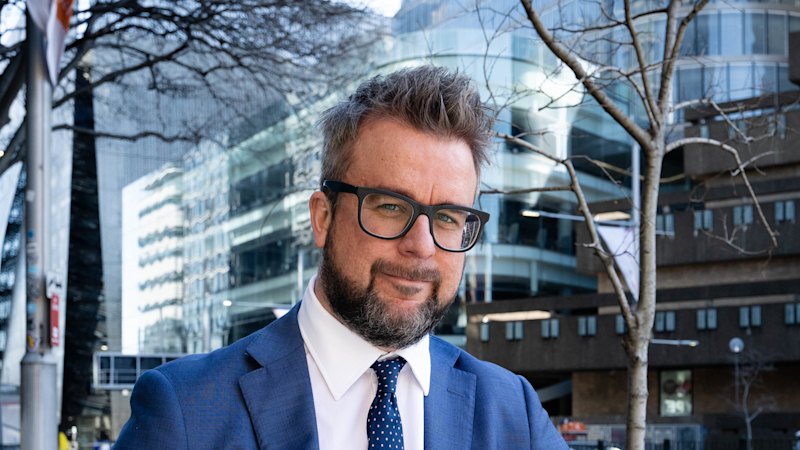
Conservation ecologist Brendan Wintle supports renewable energy but emphasizes the need for careful and regulated planning. He advocates for stronger national planning guidelines with clearly marked “no-go zones” around high biodiversity areas.
The Green Energy Boom
The Kentbruck Green Power Hub, proposed by ASX-listed company HMC Capital, promises to supply about 5% of Victoria’s electricity needs over 30 years. This comes as Australia’s aging coal-fired power stations are phased out. However, the decision now rests with Victorian Planning Minister Sonya Kilkenny, who could approve the project at any time.
Professor Wintle believes that with proper planning, Australia can achieve its renewable energy targets without dramatically impacting habitats. Recent federal environmental reforms aim to strengthen protections and expedite approvals for major projects, though they have sparked debate over their sufficiency.
Local Impact and Community Response
In Nelson, the wind farm proposal has divided opinions. While some residents, like Cassie Hlava, worry about the impact on wildlife, others see potential economic benefits. Dan McKinna, from the nearby Prince Engineering wind turbine factory, hopes the project will bring jobs to the area.
However, local conservationists like Eric Woehler caution against setting an “unwelcome precedent” that allows developments near ecologically significant areas. “Turbines do kill birds,” he states, emphasizing the need for distance between wind farms and avian flight paths.
Dr. Woehler argues that turbines should be at least 5 kilometers from protected sites to allow birds to gain altitude and avoid collisions.
Balancing Progress with Preservation
The debate over the Kentbruck Green Power Hub highlights the broader challenge of balancing renewable energy development with environmental conservation. As Australia transitions to a greener future, careful planning and community involvement will be crucial to ensure that progress does not come at the expense of the natural world.
For Cassie Hlava and others in Nelson, the proposed wind farm represents a shift from a natural, wild place to one marked by industrialization. As they await the decision, the community continues to cherish the unique wildlife that makes their home special.
In the meantime, Cassie remains vigilant, ready to add to her list of backyard bird sightings and hopeful that the future will bring solutions that protect both energy needs and environmental treasures.