




Paramount Pictures, in collaboration with Skydance Media, is undergoing a significant transformation in its film slate following a recent merger. The studio is shifting its focus away from awards-driven and critically risky projects, instead opting for more commercially viable intellectual properties. This strategic pivot has led to the cancellation or sale of several films, as the studio aligns with its new direction.
Among the casualties of this reshuffle are the children’s book adaptation “Eloise,” which has been sold to Netflix, and the cancellation of the Colin Trevorrow-directed “Area 51” movie. Both projects had Ryan Reynolds attached as a producer. Additionally, the “Ferris Bueller’s Day Off” spin-off “Victor and Sam’s Day Off” and the Miles Teller-led romantic sports drama “Winter Games” have been scrapped.
Strategic Shift Towards Commercial IP
The decision to overhaul the film slate is part of a broader strategy by Paramount’s new executives, who are keen to capitalize on “down-the-middle IP” — projects that promise mass appeal and significant box office returns. According to industry insiders, this approach is reflective of a “bro culture” that prioritizes commercial success over artistic risk.
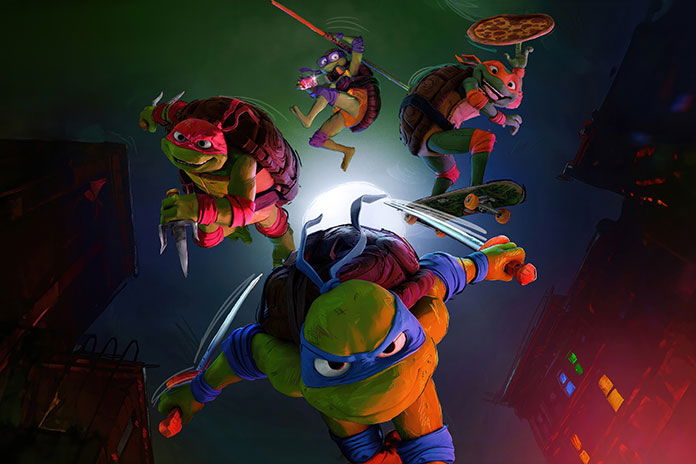
This development follows the studio’s decision to cancel the “Teenage Mutant Ninja Turtles: Mutant Mayhem” spin-off TV series. However, Paramount remains committed to the TMNT franchise, with plans to release a second film in 2027 and discussions already underway for a potential third installment. A live-action ‘Turtles’ film is also slated for release in 2028.
Industry Reactions and Implications
The move has sparked a variety of reactions from industry analysts and insiders. Some view the shift as a pragmatic response to the evolving entertainment landscape, where streaming services and franchise films dominate. Others express concern that the focus on commercial IP might stifle creative innovation.
Film critic and industry analyst Sarah Thompson commented,
“Paramount’s strategy reflects a broader trend in Hollywood where studios are increasingly risk-averse. While this may ensure financial stability, it raises questions about the future of diverse storytelling in mainstream cinema.”
Historical Context and Future Prospects
This isn’t the first time a major studio has pivoted towards more commercially viable projects. In the late 1990s, Disney underwent a similar transformation, focusing heavily on franchise films and animated features, which ultimately proved successful. Paramount’s current strategy could mirror this success if executed effectively.
Meanwhile, the expansion of the TMNT franchise is expected to bolster Paramount’s position in the lucrative family entertainment market. The franchise has a dedicated fan base and a proven track record of success, making it a cornerstone of the studio’s future plans.
As Paramount continues to navigate this transitional phase, the industry will be watching closely to see how these changes impact the studio’s performance and influence broader trends in Hollywood. The coming years will be crucial in determining whether this strategic shift will pay off in the competitive world of film production.