




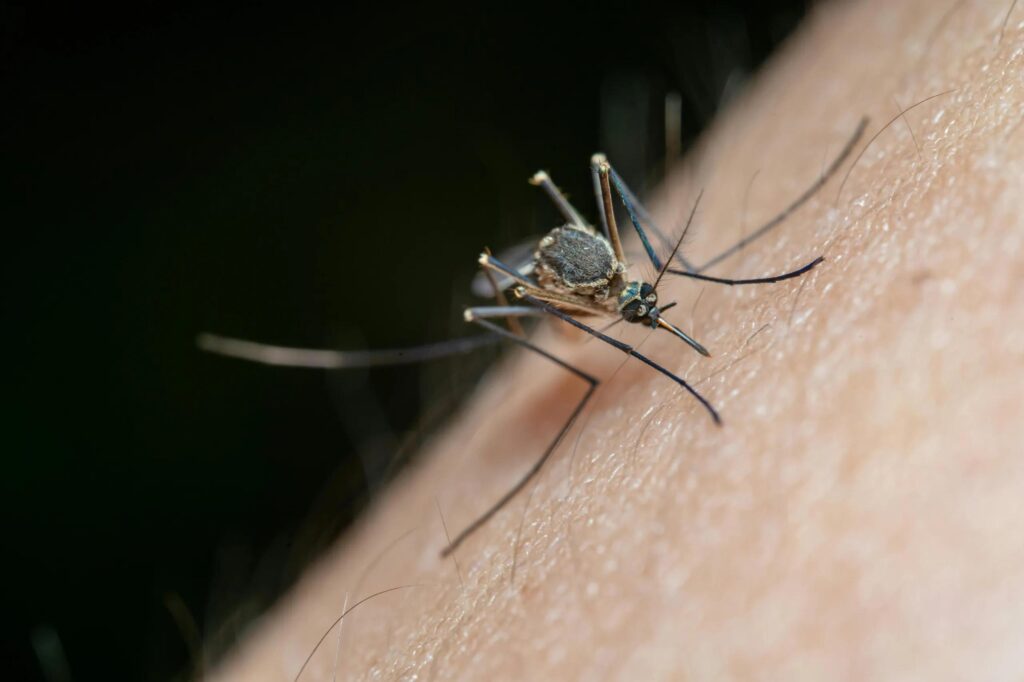
Holidaymakers and residents in regional Victoria are being urged to take preventive measures against mosquito bites following recent detections of the Ross River virus in mosquito surveillance traps. The virus has been identified in Gippsland, as well as in the Wangaratta and Alpine local government areas this year.
The Victorian Arbovirus Disease Control Program has confirmed the presence of the Ross River virus in multiple mosquito traps located in the Wellington and East Gippsland Shires over recent weeks. In response, local councils have initiated mosquito control operations on their properties. However, the warmer weather, which facilitates mosquito breeding, makes it challenging to manage mosquito populations effectively.
Understanding the Ross River Virus
Ross River virus is transmitted through the bite of infected mosquitoes. While many individuals may not exhibit symptoms, others can experience fever, joint pain and swelling, muscle aches, fatigue, or rash. These symptoms can persist for weeks or even months in some cases. Notably, there is no vaccine or specific treatment available for the virus, making prevention through mosquito bite avoidance the most effective strategy.
Preventive Measures and Recommendations
With an anticipated increase in visitors to regional Victoria in the upcoming weeks, authorities are emphasizing the importance of simple precautions to significantly reduce the risk of infection. Travelers are advised to wear long, loose-fitting, light-colored clothing, apply mosquito repellent containing picaridin or DEET on exposed skin, and limit outdoor activities during peak mosquito activity times, particularly at dawn and dusk.
For those planning to travel during the Christmas and New Year period, it is recommended to pack mosquito repellent before departure, as availability may be limited in smaller country towns. Ensuring that accommodation, caravans, and tents are equipped with intact mosquito screens, using mosquito coils, and camping at a distance from the edges of rivers and lakes—where mosquitoes breed—are also advised.
Broader Context and Implications
The emergence of the Ross River virus in Victoria is part of a broader trend observed in various parts of Australia, where mosquito-borne diseases have been on the rise due to changing climate conditions and increased human mobility. Experts warn that as global temperatures continue to rise, the habitats and breeding cycles of mosquitoes may expand, potentially increasing the incidence of such diseases.
“The best defense against mosquito-borne diseases like Ross River virus is effective personal protection and community awareness,” said Dr. Emily Carter, an entomologist specializing in vector-borne diseases.
Dr. Carter also highlighted the importance of public health campaigns and community engagement in managing the risk of mosquito-borne diseases. She noted that while individual precautions are crucial, coordinated efforts at the community and governmental levels are essential to control mosquito populations and minimize the risk of outbreaks.
Looking Ahead
As Victoria braces for an influx of holiday travelers, health authorities continue to monitor mosquito activity and virus detections closely. Residents and visitors are encouraged to remain vigilant and informed about the risks associated with mosquito-borne diseases.
Anyone experiencing symptoms consistent with Ross River virus infection is advised to seek medical advice from their general practitioner. More information about the virus and protective measures can be found on the Better Health Channel at betterhealth.vic.gov.au.
The situation underscores the need for ongoing public health vigilance and proactive measures to safeguard communities from emerging infectious diseases. As environmental conditions continue to evolve, so too must our strategies for disease prevention and control.