



The digital revolution has transformed into a vast, unplanned experiment with children as its most exposed participants. As Attention Deficit Hyperactivity Disorder (ADHD) diagnoses rise globally, a pressing question emerges: is the increasing use of digital devices contributing to this trend?
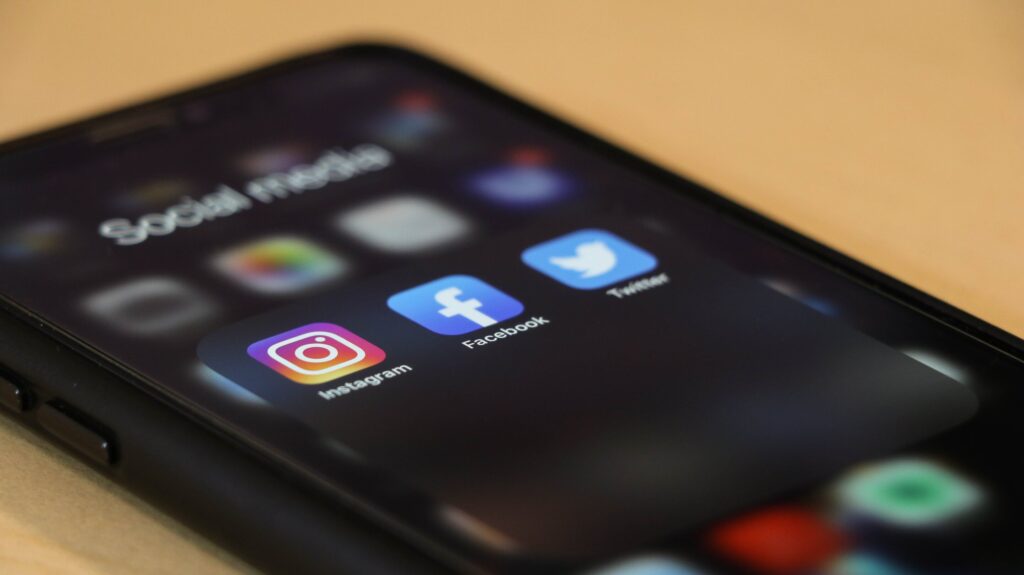
A recent study involving over 8,000 children, tracked from ages ten to fourteen, aimed to explore this connection. Researchers categorized the children’s digital habits into three groups: gaming, TV/video (such as YouTube), and social media, including platforms like TikTok, Instagram, Snapchat, X, Messenger, and Facebook. The study analyzed whether these activities were associated with long-term changes in the two core symptoms of ADHD: inattentiveness and hyperactivity.
Key Findings: Social Media’s Impact on Attention
The main discovery was that social media use correlated with a gradual increase in inattentiveness. In contrast, gaming or watching videos did not show the same effect. These patterns persisted even after considering the children’s genetic risk for ADHD and their families’ income. Furthermore, the study tested whether inattentiveness might lead children to use more social media, but the results indicated a one-way direction: social media use predicted later inattentiveness.
The mechanisms by which digital media affects attention remain unknown. However, the absence of negative effects from other screen activities suggests that not all digital media produces “dopamine hits” that disrupt children’s attention. Cognitive neuroscientists hypothesize that social media introduces constant distractions, hindering sustained attention to any task. Even the anticipation of a message can act as a mental distraction, impairing focus in the moment and potentially having long-term effects over months or years.
Understanding the Broader Implications
Unlike social media, gaming occurs in limited sessions and requires a constant focus on one task at a time. The statistical effect of social media on attention was not large enough to push someone with normal attention into ADHD territory. However, if the entire population becomes more inattentive, many individuals could cross the diagnostic threshold.
“An increase of one hour of social media use across the population could theoretically increase ADHD diagnoses by about 30%,” the study suggests. This simplification illustrates how a small individual effect can have significant population-level consequences.
Data indicates that teenagers now spend about five hours per day online, predominantly on social media. The percentage of teenagers who report being “constantly online” has surged from 24% in 2015 to 46% in 2023. This dramatic rise in social media use from virtually non-existent levels two decades ago may explain a significant portion of the increase in ADHD diagnoses over the past 15 years.
The Attention Gap and Future Prospects
Some argue that the rise in ADHD diagnoses reflects greater awareness and reduced stigma. While this may be partially true, it does not rule out a genuine increase in inattention. Studies claiming that inattention symptoms have not increased often focus on children too young to own smartphones or periods predating the surge in social media use.
With social media likely contributing to increased inattention, what steps should be taken? In the United States, children must be at least 13 to create an account on most social platforms, but these restrictions are easily circumvented. Australia is taking a more stringent approach, requiring media companies to ensure users are 16 years or older by December 2025, with significant penalties for non-compliance. The effectiveness of this legislation remains to be seen, but it may serve as a model for other countries.
As the world grapples with the implications of digital media on youth attention spans, the study underscores the need for further research and potential policy interventions to address these emerging challenges.