




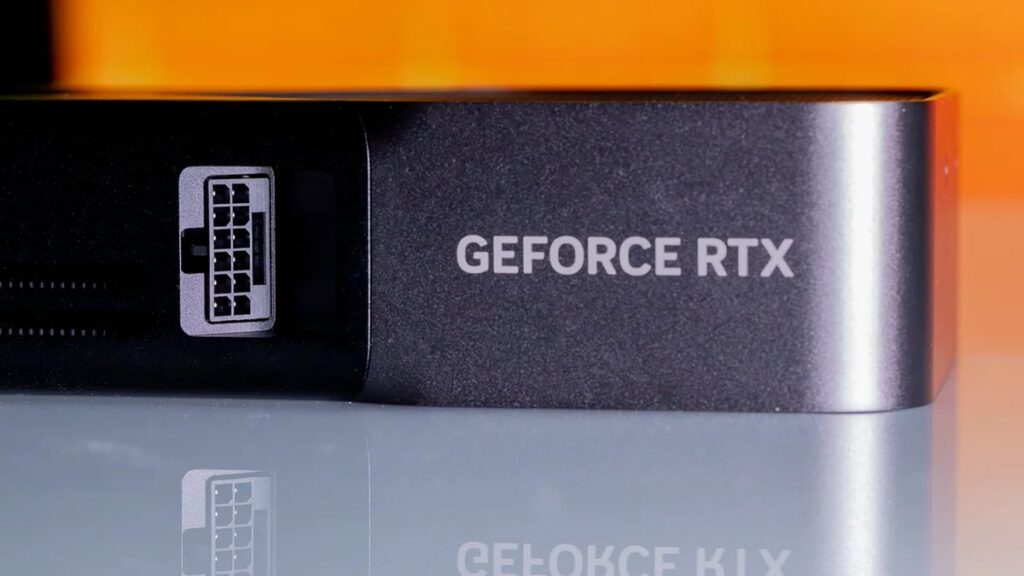
The global memory crunch is reportedly pressuring Nvidia to significantly reduce the production of its RTX 50-series GPUs. According to reports from WCCFTech, citing the Chinese Board Channel forums, Nvidia could slash Blackwell gaming GPU production by 30-40% in the first half of 2026. This potential cutback could severely impact consumers planning their next PC builds.
The initial impact of this production cut is expected to hit midrange models, such as the GeForce RTX 5070 Ti and RTX 5060 Ti 16GB GDDR6. These models are particularly popular due to their affordability and performance, offering more than 12GB of VRAM. As a result, the reduction could leave consumers with fewer cost-effective options, as higher-end models remain expensive and lower-end models struggle with performance in high-fidelity gaming.
Strategic Decisions Amidst Supply Chain Pressures
This move by Nvidia appears to be a strategic response to the increasing demand from data center clients, which are consuming a significant portion of the available hardware. The ongoing shortages in memory and SSDs, coupled with rising prices, are expected to dampen PC purchasing and upgrading activities. Consequently, Nvidia’s decision to reduce GPU output may reflect broader market conditions as much as its own production challenges.
Meanwhile, reports suggest that Nvidia’s competitor, AMD, plans to increase GPU prices by 10% or more next year. In contrast, Nvidia is reportedly attempting to avoid direct price hikes. However, with reduced supplies, Nvidia’s partners may seek to increase their margins, potentially leading to price increases at the consumer level.
Industry Reactions and Expert Opinions
Nvidia has not officially commented on these reports. However, during a recent earnings call, CEO Jensen Huang emphasized Nvidia’s proactive supply chain management. He stated,
“We’ve done a really good job planning our supply chain, [which] basically includes every technology company in the world. And TSMC and their packaging and our memory vendors and memory partners and all of our system ODMs have done a really good job planning with us.”
Industry analysts are closely watching these developments. According to tech analyst Sarah Thompson, “Nvidia’s decision to potentially cut production is indicative of the broader challenges facing the tech industry. Memory shortages are not just a problem for Nvidia but for the entire sector, impacting everything from consumer electronics to enterprise solutions.”
Historical Context and Future Implications
This is not the first time Nvidia has faced production challenges. During the early 2020s, the company grappled with supply chain disruptions caused by the COVID-19 pandemic, which led to similar constraints in GPU availability. However, the current memory shortage presents a distinct challenge, as it affects multiple components critical to GPU manufacturing.
Looking ahead, the potential reduction in RTX 50-series GPU production could have several implications. Consumers may experience longer wait times and higher prices for new graphics cards. Additionally, PC builders and gamers might need to adjust their expectations and budgets as they navigate the evolving market landscape.
As the situation unfolds, industry watchers will be keen to see how Nvidia and its competitors adapt to these challenges. The company’s ability to manage its supply chain and maintain competitive pricing will be crucial in determining its market position in the coming years.