



The Albanese government has quietly redefined its approach to the external workforce within the Australian Public Service (APS), a move that significantly alters the narrative around the previous Coalition government’s spending. This shift comes in the wake of a recent audit revealing a reduction in the use of contractors, consultants, and labour hire, following Treasurer Jim Chalmers’ mid-year budget update.
The Finance Department’s audit for 2023-24, released last week, indicates a 15 percent decrease in these external workforce categories, equating to 3,896 full-time employees. This contrasts sharply with the previous claims that the Coalition spent $20.8 billion outsourcing more than a third of the public service’s operations.
Redefining Outsourcing: A Closer Look
The new audit omits the category of “outsourced service providers,” which previously included services such as Defence garrison, health and base support, and facilities management. These services formed the bulk of the $20.8 billion figure cited by the Labor government to criticize the former Coalition’s practices.
Without these outsourced service providers, the 2021-22 audit would have shown only $6.5 billion spent on an external workforce of 25,866 full-time equivalent employees, a stark contrast to the 53,911 figure previously reported. The size of the APS at the time was 144,300 full-time equivalents, meaning external hires represented 18 percent of the workforce, less than one in five.
Political Implications and Historical Context
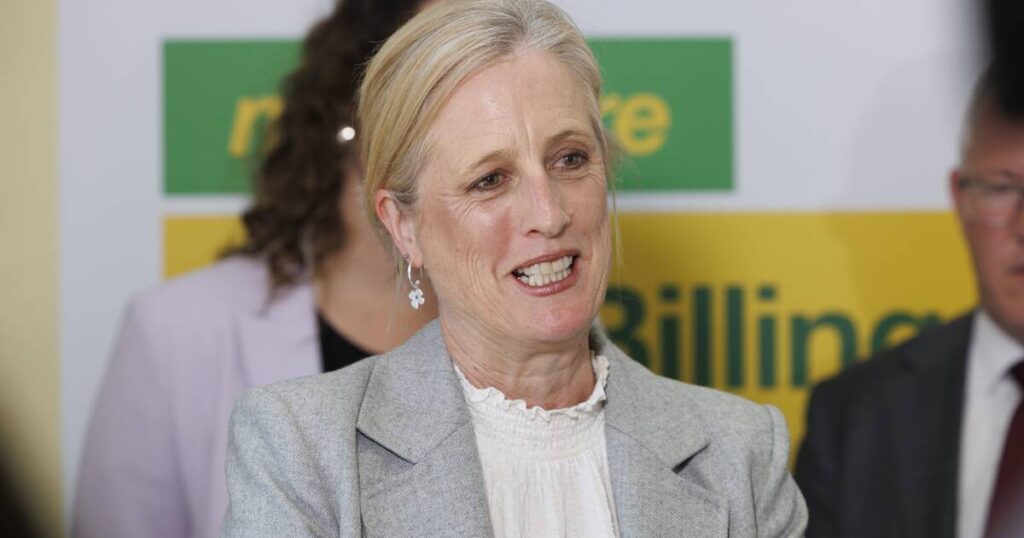
Labor has leveraged the initial audit findings to attack the Morrison government’s outsourcing strategies, particularly during the federal election campaign. Finance Minister Katy Gallagher had previously accused the Coalition of maintaining a “hidden shadow workforce” of 54,000 external hires.
Senator Gallagher’s criticism was based on a definition that included 6,716 labour hire workers, 954 consultants, 18,196 contractors, and 28,045 outsourced service providers. The latter accounted for 69 percent of the $20.8 billion expenditure under the old definition.
Expert Opinions and Analysis
According to policy analysts, the redefinition of the external workforce represents a strategic shift by the Albanese government to focus on core public service functions. By excluding outsourced service providers from the audit, the government aims to highlight its efforts to reinvest in the public sector.
A spokesperson for Senator Gallagher stated, “The government is committed to bringing more core work in-house and will deliver savings of $6.8 billion over the next four years from reduced spending on external labour and non-wage expenses.”
“The focus on consultants, contractors, and labour hire in the latest audit is consistent with the scope of the government’s 2022 election commitment,” the spokesperson added, emphasizing the progress made in reducing reliance on external labour.
Future Directions and Economic Impact
The government’s redefined approach is expected to have long-term implications for the APS. By reducing reliance on external labour, the Albanese administration aims to strengthen the public sector’s capacity and efficiency.
However, the Finance Department has noted that the two audits are not directly comparable due to incomplete reporting by agencies in 2021-22, which may have underestimated the use of consultants, contractors, and labour hire at the time.
As the government continues to implement its strategy, the focus will likely remain on enhancing the internal capabilities of the public service while achieving significant cost savings. This approach reflects a broader trend towards reducing outsourcing in favor of bolstering internal resources.
In conclusion, the Albanese government’s redefinition of APS outsourcing marks a significant policy shift that aligns with its commitment to reinvest in the public sector. As the government moves forward, the implications of this strategy will be closely watched by policymakers and stakeholders alike.