

Reddit has initiated a legal challenge in Australia’s High Court against the country’s groundbreaking social media ban for children under 16, a move that has sparked global attention and controversy.
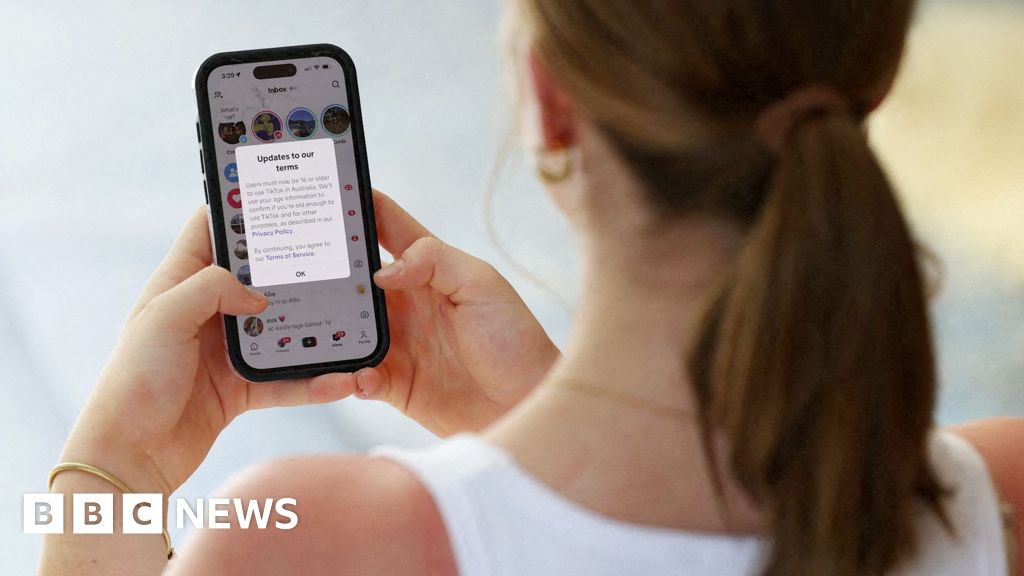
The online platform, known for its diverse forums and communities, is among ten social media giants required to enforce the new law, which came into effect on Wednesday. The legislation aims to shield minors from harmful content and algorithms, a justification supported by both campaigners and the Australian government.
Despite complying with the ban, Reddit argues that the policy poses significant threats to privacy and political rights. This legal challenge marks the second of its kind, following a case brought by two Australian teenagers awaiting a High Court hearing.
“Despite the best intentions, this law is missing the mark,” Reddit stated on its website. “There are more effective ways for the Australian government to accomplish our shared goal of protecting youth.”
The Government’s Stance and Legal Pushback
Australia’s Communications Minister, Anika Wells, has been firm in her stance, asserting that the government will not be intimidated by legal threats from tech companies. “We will not be intimidated by big tech. On behalf of Australian parents, we will stand firm,” she declared in parliament following the initial legal challenge announcement last month.
The first case, which the High Court has agreed to consider at an undecided date next year, involves two 15-year-olds from New South Wales. They claim the ban infringes on the “implied freedom of communication on governmental and political matters,” arguing that democracy should not be restricted by age.
“Democracy doesn’t start at 16 as this law says it will,” Macey Newland, one of the teenagers, told the BBC after filing their case.
Global Reactions and Criticisms
The ban has drawn mixed reactions worldwide, with some leaders praising its boldness while tech companies express concern. Critics argue that a blanket prohibition is neither practical nor wise, fearing that children might circumvent the ban by manipulating age verification systems or migrating to less safe online spaces.
Mental health advocates and children from marginalized communities, including LGBTQ+ and neurodivergent groups, have voiced concerns that the ban could isolate them from vital online connections and support networks.
However, the policy enjoys significant support among parents and public figures like Oprah Winfrey, Prince Harry, and Meghan, the Duchess of Sussex. In a statement, the couple praised Australia’s “bold” action but lamented that such measures were necessary.
“We hope this ban is only the start of a reckoning between society and the tech companies that built these platforms with growth as their first principle instead of safety,” they stated.
Comparative Global Measures and Implications
Various governments, including those in the US state of Florida and the European Union, have been exploring ways to limit children’s social media use. However, Australia’s policy stands out due to its strict age limit of 16 and lack of parental approval exemptions, making it the world’s most stringent law of its kind.
Reddit has criticized the law for imposing “intrusive and potentially insecure verification processes on adults as well as minors,” potentially isolating teens from age-appropriate community experiences and creating an inconsistent application across platforms.
“There are more targeted, privacy-preserving measures to protect young people online without resorting to blanket bans,” Reddit argued, clarifying that their challenge is not an attempt to avoid compliance or retain young users for business reasons.
Reddit emphasized that its platform primarily serves adults and does not market or target advertising to children under 18. Other platforms affected by the ban include Facebook, Instagram, Snapchat, and TikTok.
The outcome of Reddit’s legal challenge could set a precedent for how governments worldwide regulate social media use among minors. As the High Court prepares to hear the case, the world watches closely to see how this legal battle will unfold and influence future digital policy-making.