



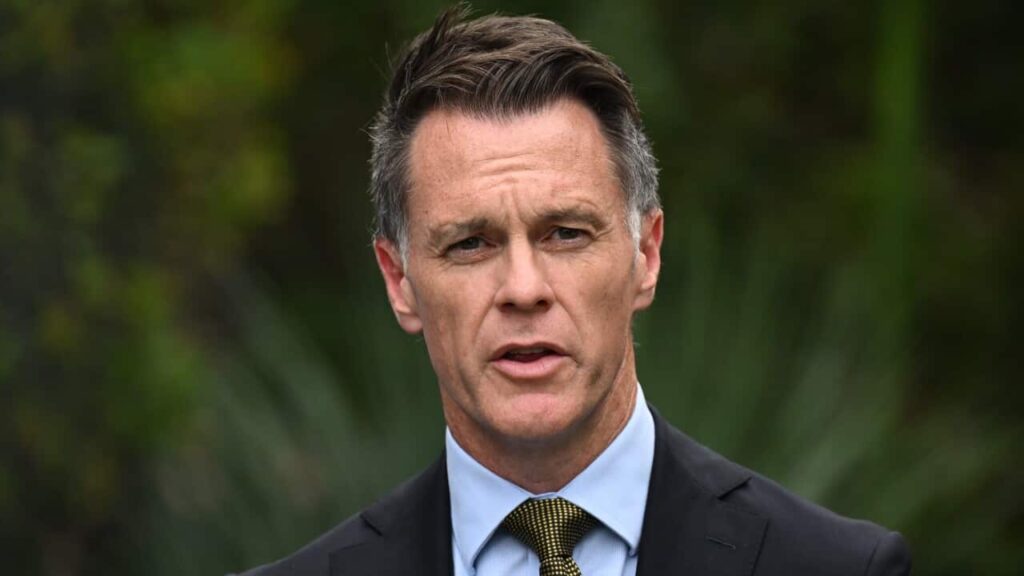
In the wake of a deadly terror attack at Bondi Beach, New South Wales Premier Chris Minns has staunchly defended his government’s proposed reforms to protest laws, which have been criticized as “draconian” and “kneejerk anti-protest laws” by opponents. The proposed changes aim to enhance community safety by restricting public assemblies following a terrorist incident declaration.
The reforms come after a tragic attack during a Hanukkah festival at Bondi Beach that resulted in the deaths of 15 people. In response, Minns recalled parliament to expedite the legislative changes, underscoring the need for decisive action to prevent further violence.
Proposed Changes and Rationale
Under the proposed reforms, the authorisation of public assemblies could be curtailed in the aftermath of a formally declared terrorist incident. The police commissioner or deputy commissioner, with the police minister’s agreement, could designate specific areas where protests are restricted. This declaration would initially last for 14 days, with the possibility of extension up to three months.
Premier Minns emphasized the urgency of the situation, stating, “While it may be a tinderbox out there in the community during the summer period, we can’t let unrestrained violence or disunity in our community run without a strong police presence.”
Criticism and Opposition
The proposed laws have faced significant opposition from various groups, including the Greens and the Palestine Action Group, who argue that the reforms are a reactionary measure that stifle free expression. Dr. Naama Blatman, an executive member of the Jewish Council of Australia, criticized the reforms, saying, “These laws are borne of political pressure, not a genuine consideration for the safety of our community.”
“Criticism of Israel as harsh as it may be, is not equivalent to antisemitism,” Dr. Blatman added.
Josh Lees from the Palestine Action Group echoed these sentiments, labeling the reforms as part of a “concerted campaign” to link the Bondi attack to the Palestine protest movement. NSW Greens MP Sue Higginson described the proposed laws as some of the most “draconian, authoritarian anti-protest laws this country has ever seen.”
Context and Historical Parallels
The Bondi Beach attack has reignited debates over the balance between security and civil liberties in Australia. Historically, similar measures have been enacted globally in response to terrorism, often sparking controversy over their impact on democratic freedoms. The proposed NSW laws would designate certain phrases, such as “globalise the intifada,” as hate speech, reflecting a broader trend of legislating against expressions perceived to incite violence.
Premier Minns defended these measures, arguing that such slogans contribute to an environment of “heightened disunity and an invitation to violence.” He stated, “Whatever the reasons for those protests and genuine grievances or concerns about what is happening overseas, my responsibility is in Sydney.”
Victoria’s Response
In a parallel development, Victoria has announced a five-point plan to combat antisemitism, mirroring the legislative approach of NSW. The plan includes strengthening hate speech laws, reviewing gun regulations, and appointing a commissioner to counter violent extremism. Victorian Premier Jacinta Allan emphasized the complexity of the issue, stating, “This is not a Jewish problem to fix. This is everyone’s problem.”
Victoria’s measures also propose holding online platforms accountable for hateful content and adopting the International Holocaust Remembrance Alliance’s definition of antisemitism across the public sector. Opposition leader Jess Wilson called for a protest permit system, highlighting concerns about the rise of antisemitism.
Looking Ahead
The debate over these reforms underscores the ongoing tension between ensuring public safety and preserving democratic rights. As NSW and Victoria push forward with their respective plans, the broader implications for civil liberties in Australia remain a contentious issue. The outcome of these legislative efforts will likely set a precedent for how other regions address similar challenges in the future.
For the latest updates, readers are encouraged to follow developments closely as the NSW parliament debates these proposed changes and Victoria implements its comprehensive plan.