



New research has unveiled the intricate cellular processes that lead to the formation of reproductive organs in humans, revealing critical genes and signals involved in this complex development. The study, conducted by researchers at the Wellcome Sanger Institute and EMBL’s European Bioinformatics Institute (EMBL-EBI), provides valuable insights into conditions affecting reproductive health and the potential impact of environmental chemicals.
The findings, published on December 17 in the journal Nature, represent the most comprehensive analysis to date of how reproductive organs form in the womb. Using advanced single-cell and spatial genomics technologies, the researchers analyzed over half a million individual human cells from the developing reproductive system.
Unraveling the Mysteries of Reproductive Development
While the chromosomal sex of an embryo is determined at conception, visible differences in the developing reproductive system do not emerge until approximately six weeks later. At this stage, embryos possess undifferentiated gonads and paired structures known as the Müllerian and Wolffian ducts, which have the potential to develop into female or male internal reproductive organs.
A gene on the Y chromosome, SRY, initiates the transformation of undifferentiated gonads into testes, which then produce hormones that guide the Wolffian ducts to form male reproductive structures and cause the Müllerian ducts to regress. In the absence of SRY, the gonads develop into ovaries, and the Müllerian ducts form female reproductive organs.
Mapping the Cellular Landscape
The development of the testes and ovaries has been extensively studied due to their importance in fertility. However, the formation of the rest of the reproductive system has remained less understood until now. The researchers analyzed embryonic and fetal tissue samples to explore the genes and signals that drive the differentiation of the male and female reproductive tracts.
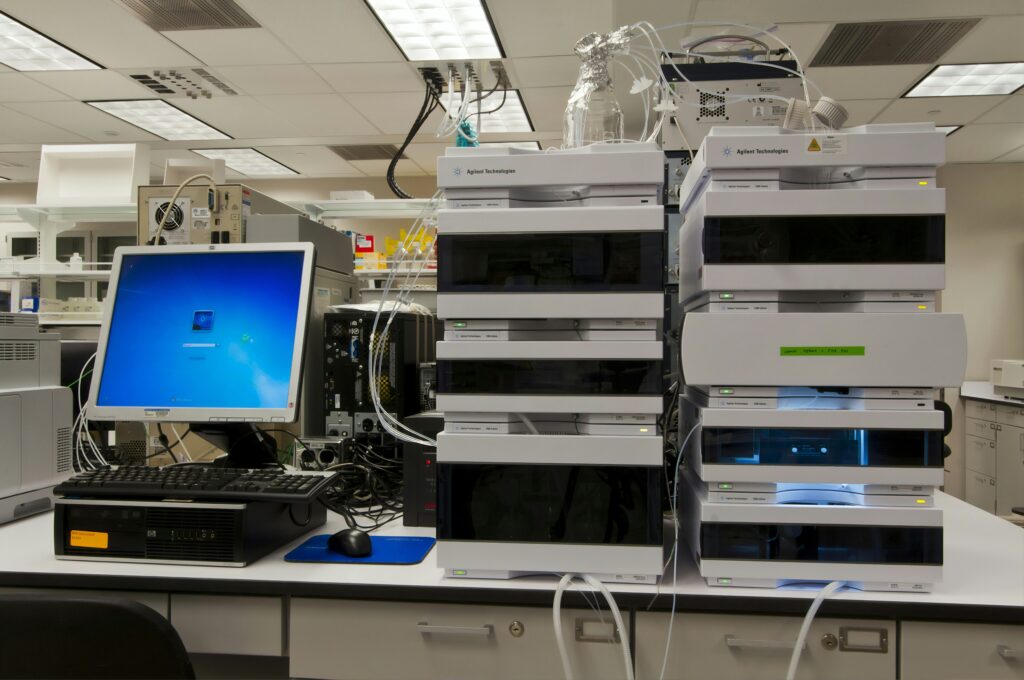
This study is part of the Human Cell Atlas initiative, which aims to map all cell types in the human body to enhance our understanding of health and disease. The team employed single-cell RNA sequencing to identify active genes in each cell and single-cell ATAC sequencing to pinpoint potentially active DNA regions. Spatial transcriptomics further revealed the exact locations within tissue sections where these genes are activated.
Key Findings and Implications
Through their research, the scientists identified the genes responsible for the maturation of the Müllerian duct in females and those likely to trigger its breakdown in males. They also traced the formation of the urethra in external genitals, offering new insights into hypospadias, a condition where the urethra opens partway along the penis instead of at the tip.
The team developed a computational model to track gene activity changes along the Müllerian and Wolffian ducts as they grow. This model revealed gradual shifts in gene activity and identified specific signaling pathways that help divide the ducts into distinct organs. The study proposes an updated model of how the HOX code shapes reproductive organs, uncovering previously unreported HOX genes that pattern the upper fallopian tube and epididymis.
“For the first time, we can see in detail how the human reproductive system is assembled before birth. This map pinpoints the exact cells and signals that shape each organ, and highlights when development is most vulnerable,” said Dr. Valentina Lorenzi, co-first author at the Wellcome Sanger Institute and EMBL-EBI.
Environmental Influences on Development
The researchers also investigated the vulnerability of developing reproductive tissues to environmental disruption using organoids—tiny 3D models of the developing uterine lining. When exposed to compounds such as bisphenol A (BPA) and butyl benzyl phthalate (BBP), which are linked to health concerns, the organoids activated estrogen-responsive genes. This confirms that the fetal uterine lining can initiate a genetic response to environmental estrogens.
However, the researchers caution that the levels of these compounds to which the reproductive system is exposed in real-world maternal conditions remain unclear.
Looking Ahead: A Roadmap for Future Research
This high-resolution atlas of the developing reproductive system offers a foundational reference map for how reproductive organs develop, providing new clues into the origins of reproductive disorders. The research addresses a significant challenge in gynecology: the lack of a clear roadmap for how reproductive tissues form, which has made diagnosing many conditions difficult.
“Our work provides that roadmap, helping us trace genetic disruptions and understand the developmental origin of histological abnormalities,” said Dr. Luz Garcia-Alonso, co-senior author at the Wellcome Sanger Institute.
Dr. Roser Vento-Tormo, senior author at the Wellcome Sanger Institute, emphasized the significance of the study: “Many conditions affecting fertility and reproductive health have their roots in development before birth, yet until now we lacked a full picture of how these organs form in humans. Our atlas offers that missing piece, providing a powerful resource for both basic science and clinical research.”
As researchers continue to build upon this groundbreaking work, the implications for understanding and treating reproductive health conditions are vast, potentially leading to more effective interventions and therapies in the future.