


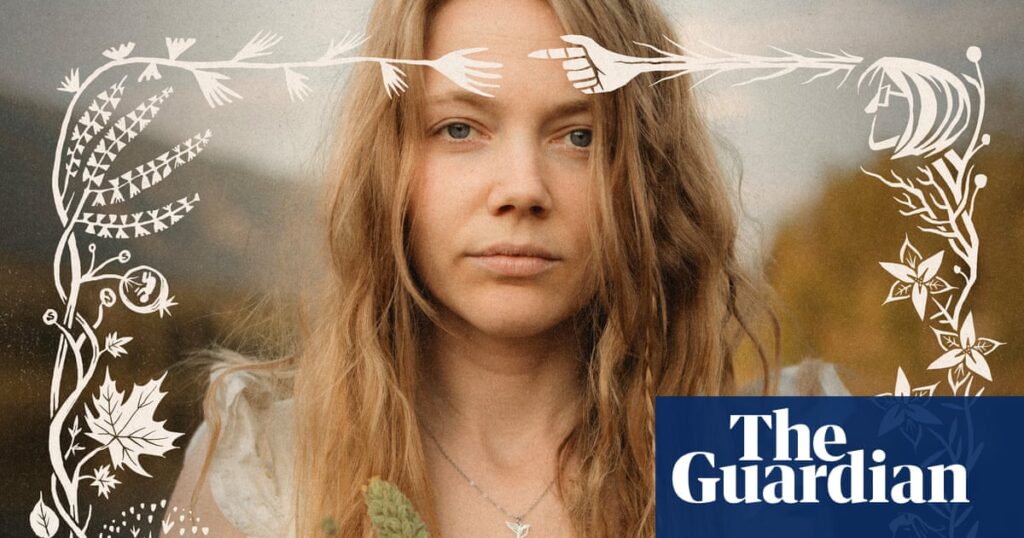
When holistic practitioner Emma Cardinal, 32, became pregnant in May 2023, she envisioned a serene home birth assisted by midwives. Living in a town in British Columbia known for its counter-cultural roots, home births are a common preference. “The community that I live in, home birth is something a lot of women prioritize,” Cardinal explains.
However, Cardinal’s plans took a dramatic turn after she discovered the Free Birth Society (FBS) podcast. An episode titled “Unpacking Ultrasound With Yolande Clark” particularly influenced her. In it, Canadian ex-doula Yolande Norris-Clark controversially linked ultrasounds to autism and ADHD, claiming that “ultrasound damages and modifies and destroys cells.”
Norris-Clark, a Vancouver native, is a prominent figure in the freebirth movement and a key player in FBS, a U.S.-based company co-run with Emilee Saldaya. FBS advocates for an extreme form of freebirth, encouraging women to forgo prenatal care and give birth without medical professionals. Since 2018, it is estimated to have generated over $13 million in revenue. A Guardian investigation recently linked FBS to 48 cases of serious birth complications, including stillbirths and neonatal deaths.
The Influence of Free Birth Society
Yolande Norris-Clark has been instrumental in shaping FBS’s radical stance on childbirth, while Saldaya manages the business side. FBS’s reach is significant, with its Instagram account boasting 132,000 followers and its podcast downloaded 5 million times. Norris-Clark’s influence extends beyond FBS, as she pioneers a radical version of freebirth that even concerns some advocates within the movement.
Cardinal, alarmed by the podcast’s claims about ultrasounds, decided against them due to her personal history with stillbirth. “I was petrified of miscarriage and stillbirth,” she recalls. After extensive exposure to FBS content, Cardinal chose to freebirth, believing it was her safest option. She purchased FBS’s course, “The Complete Guide to Freebirth,” and prepared for her son’s birth.
Tragically, Cardinal’s son Floyd was stillborn in March 2024. During labor, she noticed meconium in her waters, a potential distress signal, but dismissed it based on FBS guidance. “I remember hearing Emilee Saldaya’s voice in my head, saying: ‘I wouldn’t be concerned for the first three days.’” After Floyd’s death, Cardinal faced severe health complications, including sepsis and multiple surgeries.
Controversy and Criticism
Cardinal now reflects on the information from FBS as “incomplete, biased, one-sided and kind of dogmatic.” She questions the portrayal of freebirth and the omission of potential risks. “You can’t just post about the good side of free birth. What happens when it goes very wrong?” she asks.
Both Norris-Clark and Saldaya have faced criticism but maintain their stance. Norris-Clark has defended FBS as “the most ethical kind of business you can run,” emphasizing women’s “radical responsibility” for their births. Saldaya has dismissed allegations as “false or defamatory,” labeling critical reports as “propaganda.”
Despite the controversy, FBS’s influence persists, especially in Canada, a country with vast “midwifery deserts” and communities skeptical of conventional medical practices. The COVID-19 pandemic further eroded trust in medical establishments, making FBS’s message resonate with women disillusioned by traditional maternity care.
Legal and Ethical Implications
As FBS-trained attendants proliferate, Canadian authorities are taking action. On Vancouver Island, Gloria Lemay, a renowned unlicensed birth attendant, faces manslaughter charges after a newborn’s death. Lemay’s legal battles highlight the tension between traditional medical practices and alternative birth methods.
Lemay, a divisive figure, is both criticized and celebrated. Her supporters view her as a pioneer in birth sovereignty, while detractors see her as a threat to public health. The Birth Care Alliance is fundraising for her defense, arguing against systemic overreach into birth practices.
Meanwhile, Canadian health authorities are issuing warnings about unlicensed attendants, particularly those associated with FBS. The British Columbia College of Nurses and Midwives issued an advisory against an RBK involved in a troubling birth case, emphasizing the risks of unregulated birth practices.
Personal Stories and Broader Impact
Alexandra Smith, a Vancouver Island resident, hired an FBS-trained RBK for her birth. She describes the RBK as “like a deer in headlights” during labor, missing critical signs of distress. Her son Aksel was born with severe disabilities due to a birth complication. Smith’s experience underscores the potential dangers of unregulated birth practices.
Smith’s story is not isolated. Many women, drawn to FBS by its promises of empowerment, face devastating outcomes. Smith reflects on the loneliness of raising a medically complex child in a holistic community. “When things go awry, it’s like it’s your fault,” she laments.
Aksel’s death at six and a half months old highlights the tragic consequences of unregulated birth practices. As Canada grapples with the rise of freebirth and its implications, the need for informed, safe childbirth options becomes increasingly urgent.
