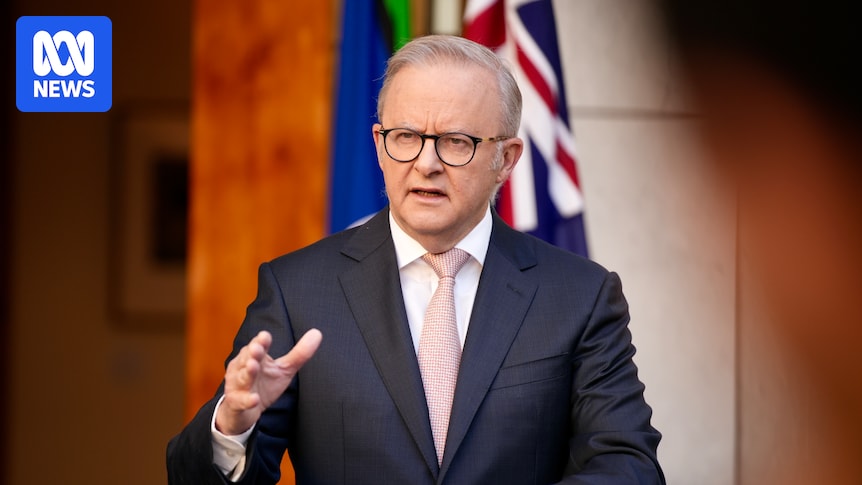


Prime Minister Anthony Albanese is facing a significant drop in his approval ratings following a government expenses scandal and a terror attack in Bondi. The decline comes at a time when social cohesion appears to be fraying, with a majority of Australians perceiving a rise in racism, particularly antisemitism, over the past two years.
Nearly half of the voters expressed dissatisfaction with the federal government’s response to the Bondi shooting. Opposition Leader Sussan Ley also saw a decline in her approval as she criticized Albanese’s handling of the crisis. These findings, drawn from the Resolve Political Monitor conducted for this publication, highlight the challenges political leaders face in uniting the nation while addressing community concerns about the December 14 attack.
Public Sentiment and Government Response
The targeted killing of Jewish Australians during Hanukkah has left the nation divided over its social cohesion. According to the poll, 38 percent of Australians view the level of social cohesion as good, while 30 percent rate it poorly, and 32 percent remain unsure. The survey, conducted with 1,010 Australians between Wednesday and Saturday, has a margin of error of 3.1 percent.
In response to the attack, the Albanese government announced on Thursday that it would implement all recommendations from its antisemitism envoy. This includes a crackdown on hate speech and a gun buyback initiative as part of broader national gun reforms. Earlier, Albanese faced criticism from the Jewish community and former Liberal leaders John Howard and Josh Frydenberg for his perceived weak stance on antisemitism.
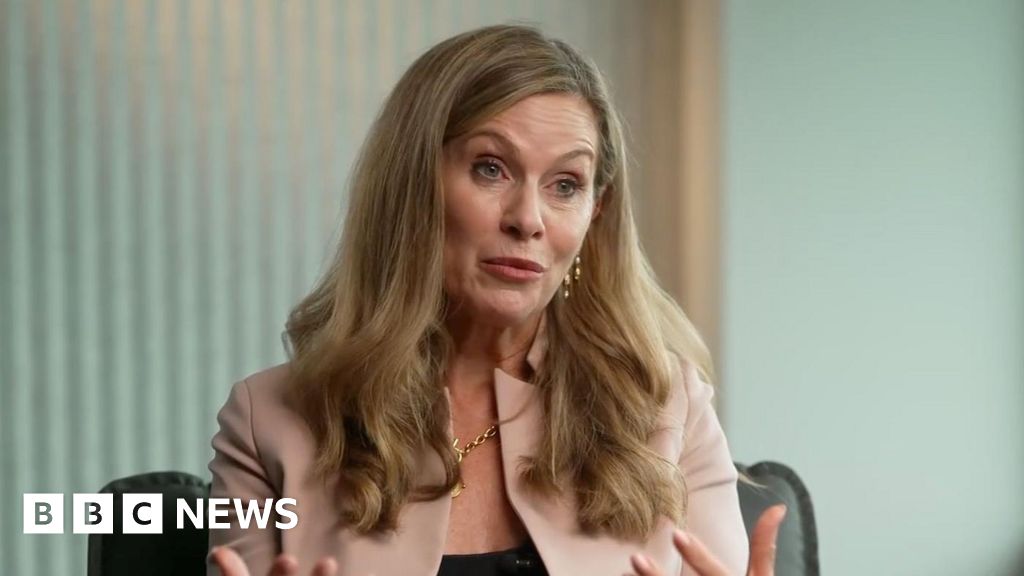
“There’s certainly an appetite for stronger action to prevent a recurrence, to restrict access to guns and to tackle the underlying extremism and antisemitism at play,” said Resolve director Jim Reed.
Impact on Political Ratings
The aftermath of these events has contributed to a decline in Albanese’s popularity and performance ratings. His net performance rating fell 15 points, from +6 to -9, marking the lowest since the May election. Similarly, his net likeability dropped 14 points, from +9 to -5, aligning with results from September.
Opposition Leader Sussan Ley also experienced a decline, though less severe. Her net performance rating decreased from +3 to -4, and her likeability fell from +8 to +1. Despite these shifts, Albanese remains the preferred prime minister, with 38 percent support compared to Ley’s 30 percent.
“The PM has taken a personal hit from all this. His likeability, performance, leadership and Labor’s primary vote are all at their lowest ebb since the May election,” Reed noted. “The passing of several bills just a few weeks ago and his wedding seemed to promise a strong end to the year, but his political honeymoon has ended shortly after his real one.”
Political Landscape and Social Issues
Labor’s primary vote has decreased by 3 points, while the Coalition and One Nation each gained 2 points. One Nation now holds 16 percent of voter preference, marking its highest result in the Resolve Political Monitor. The party’s supporters also expressed the most negative views on social cohesion.
Despite these challenges, the government retains a lead on a two-party preferred basis, ahead of the Coalition at 54-46. There is a widespread belief that racism and religious intolerance have surged since the Gaza conflict began in October 2023. Seventy-two percent of people agree with this sentiment, up from 69 percent in January and 57 percent last March.
Of those who believe racism has worsened, 55 percent attribute it to rising antisemitism, consistent with January’s 54 percent and significantly higher than last March’s 33 percent. Thirteen percent noted an increase in Islamophobia, up 4 points since January, while 32 percent remain unsure about the drivers of racism, a decrease from last year’s uncertainty.
Looking Ahead
The current political climate underscores the complexities facing the Albanese administration. As the government implements new measures to address antisemitism and gun violence, it must also work to restore public confidence and strengthen social cohesion. The coming months will be crucial in determining whether these efforts can reverse the downward trend in approval ratings and address the underlying issues of racism and extremism within the country.