




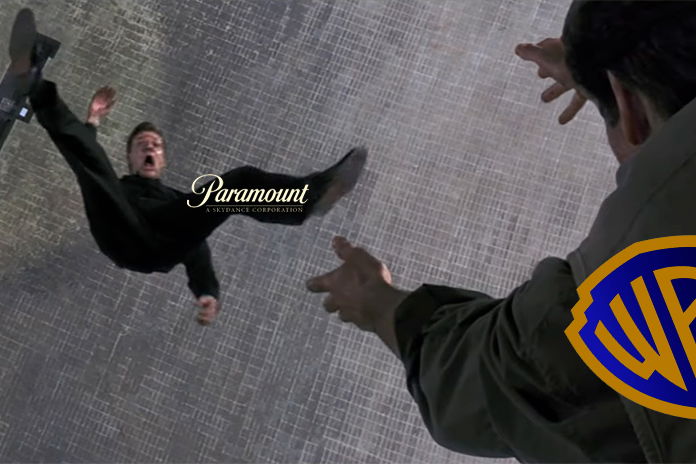
Warner Bros. Discovery Inc. is reportedly preparing to reject a hostile takeover bid from Paramount Skydance, according to a report by Bloomberg. The decision comes after a thorough review by Warner Bros.’ board, which concluded that their existing agreement with Netflix offers greater value and certainty than the proposal from Paramount.
The board’s decision is influenced by several factors, including concerns over the composition of the equity involved in Paramount’s bid. A substantial portion of this equity originates from a revocable trust managed by Larry Ellison’s wealth, which poses a risk as assets in such trusts can be withdrawn at any time. Additionally, Warner Bros. is wary of the lack of flexibility in Paramount’s offer, which does not provide sufficient leeway for the company to manage its business operations or balance sheet during the potentially lengthy approval process by federal regulators.
Financial and Strategic Considerations
Warner Bros. Discovery’s preference for its existing deal with Netflix is not without reason. The agreement with Netflix is perceived to provide more stable and predictable returns, a crucial factor for a company navigating the rapidly evolving media landscape. The board’s decision underscores the importance of strategic partnerships that align with long-term business goals.
According to sources, Warner Bros. Discovery’s formal response to Paramount’s tender offer could be filed as soon as tomorrow, though no final decision has been officially confirmed. This move highlights the competitive and often complex nature of mergers and acquisitions in the media industry, where companies must weigh immediate financial gains against strategic alignment and future growth potential.
Impact of Investment Dynamics
In a related development, Variety reports that Jared Kushner’s Affinity Partners investment firm has withdrawn from participating in Paramount Skydance’s acquisition bid. This withdrawal comes after Paramount’s recent SEC filing, which indicated that three Arab wealth funds, along with Kushner’s Affinity, would act as silent equity investors. The departure of Affinity Partners could potentially affect the financial dynamics and perceived stability of Paramount’s offer.
The involvement of high-profile investors and international funds in such deals often adds layers of complexity, influencing both the perception and the reality of the bids. The exit of a key investor like Affinity Partners might raise questions about the overall confidence in the bid’s success and its alignment with the strategic interests of all parties involved.
Historical Context and Industry Trends
The media industry has seen a surge in mergers and acquisitions over the past decade, driven by the need to consolidate resources and expand content libraries in the face of increasing competition from streaming services. The Warner Bros. and Paramount situation is reminiscent of previous high-profile takeover attempts, such as Comcast’s bid for Sky and Disney’s acquisition of 21st Century Fox, where strategic fit and regulatory hurdles played significant roles in the outcomes.
Experts suggest that Warner Bros.’ decision to potentially reject Paramount’s bid reflects a broader trend among media companies to prioritize strategic partnerships and content synergies over immediate financial gains. This approach is seen as vital for maintaining competitive advantage in an industry where content is king, and consumer preferences are rapidly shifting towards on-demand and personalized viewing experiences.
Looking Ahead
As Warner Bros. Discovery prepares to formalize its response, industry analysts will be closely watching the implications of this decision on future merger activities within the media sector. The outcome could set a precedent for how media companies evaluate and respond to takeover bids, particularly in an era where digital transformation and content distribution are reshaping the industry’s landscape.
The unfolding situation between Warner Bros. and Paramount underscores the complexities and strategic considerations inherent in large-scale corporate acquisitions. As the media giants navigate these challenges, their decisions will likely influence the strategic directions of other players in the industry, shaping the future of media and entertainment.