




The recent tragic events in Bondi have reignited the debate over gun control in Australia, with calls for stricter regulations echoing across the nation. As the community grapples with the aftermath of the violence, many are questioning the adequacy of current laws and the cultural attitudes towards firearms.
In a series of letters to the editor, Australians from various walks of life have voiced their concerns and suggestions for reform. John O’Callaghan from Canterbury argues for a blanket ban on guns, except for police and military use, highlighting that the primary purpose of firearms is to kill. He emphasizes that Australia is not a gun-culture country like the United States, which he claims regrets its gun laws “every second day.”
Calls for Stricter Regulations
Kim White, a lifelong gun owner from Mirboo North, suggests that gun owners should justify their need for firearms, especially in urban areas. He advocates for a government buyback of guns from those who cannot provide a compelling reason for ownership. Michelle Wright from Eltham echoes this sentiment, proposing that urban dwellers should store their guns at secure club premises, similar to police procedures.
These suggestions come amid fears of a “tsunami of 3-D guns” that could exacerbate the situation if not addressed promptly. The urgency for reform is underscored by the recent Bondi incident, which has left the nation in shock and mourning.
Historical Context and International Comparisons
The debate over gun control is not new to Australia. The Port Arthur massacre in 1996 led to significant reforms, including a national gun buyback scheme. However, as Robert Bender from Ivanhoe East points out, gun availability has shifted from direct purchases to burglaries, raising concerns about the effectiveness of current measures.
Internationally, Australia is often compared to the United States in terms of gun culture and legislation. While the U.S. grapples with frequent mass shootings, Australia’s stringent laws have been credited with preventing similar occurrences. Yet, as recent events show, the threat of gun violence persists.
Broader Social Implications
The discourse around gun control extends beyond legislation. As Irene Renzenbrink from North Fitzroy notes, the social and emotional impact of mass shootings is profound and long-lasting. She recalls the community response to the Hoddle Street shootings in 1987 and the subsequent formation of the Coalition for Gun Control.
Renzenbrink highlights the importance of community support and healing, quoting Archbishop Robert Runcie after the Hungerford shootings:
“Companionship in adversity has its own good and healing power.”
Meanwhile, Danny Van Vliet from Mount Eliza urges a focus on the root causes of violence, such as hatred and radicalization, rather than solely on gun control. He draws parallels with other forms of violence, such as the 2016 truck attacks in Nice and Berlin, to illustrate that the tools of violence are diverse.
Political and Educational Challenges
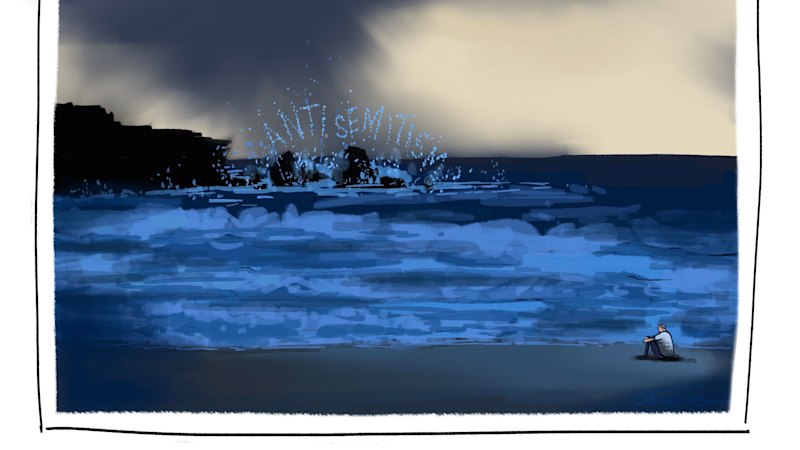
The political response to the Bondi tragedy has been mixed. Some, like William Vickers from Melbourne, criticize the government for inaction, while others call for a more nuanced approach that includes addressing antisemitism and other forms of hatred.
Jon McMillan from Mornington argues for a stronger emphasis on history education to prevent the “culture of forgetfulness” that he believes contributes to societal ignorance and division. He advocates for a curriculum that includes diverse historical perspectives, including those of Indigenous and Palestinian peoples.
As the nation reflects on the recent events, there is a growing consensus that a multifaceted approach is necessary. This includes stricter gun laws, community support, education, and a commitment to addressing the underlying causes of violence.
The path forward is complex, but as Julie Perry from Highton suggests, it requires collective responsibility and a commitment to tolerance, respect, and inclusion. The lessons of history and the experiences of other nations provide valuable insights as Australia navigates this challenging issue.