



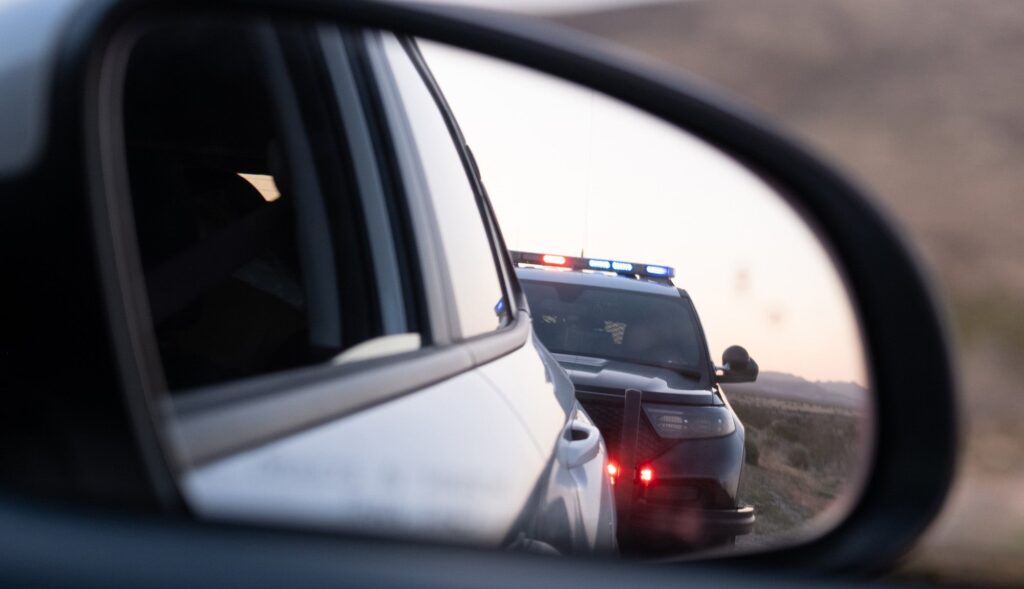
What makes a police stop feel respectful? This question is at the heart of a groundbreaking study led by researchers from the USC Dornsife College of Letters, Arts and Sciences. The team, part of a multi-university collaboration, has meticulously analyzed body camera footage from 1,000 Los Angeles traffic stops to uncover the elements that foster trust between police and the communities they serve.
Trust is a cornerstone of effective policing, yet it often hinges on everyday encounters, particularly traffic stops, which are among the most frequent interactions between officers and the public. Despite their prevalence, there is a surprising lack of understanding about what constitutes a respectful stop from the perspective of those involved.
The Everyday Respect Project: A New Approach
The Everyday Respect Project aims to fill this gap by examining these encounters in detail. By using body camera footage, researchers hope to identify patterns that either build or erode trust. The findings are expected to inform the development of AI tools capable of analyzing thousands of interactions, potentially transforming how respect is understood and implemented in police practices.
Community-Driven Definitions and AI Training
Central to the project is the idea of community-driven definitions of respect. Through surveys, interviews, and focus groups, the researchers gather diverse perspectives on what constitutes “good” communication. This input is crucial for training AI models, which are developed with the help of 43 annotators, including community members and retired officers, who rate the bodycam footage.
The AI models are designed to eventually scale up and analyze footage from approximately 30,000 traffic stops conducted by the Los Angeles Police Department. This ambitious scope aims to provide a comprehensive understanding of what drives respectful communication and what causes interactions to break down.
Privacy and Transparency in Research
Ensuring privacy and transparency is a key component of the study. The analysis of bodycam footage is conducted under strict privacy protocols, ensuring that neither officers nor drivers are identified. The project’s findings and tools will be shared publicly, supporting improvements in traffic stop practices nationwide.
“Body camera footage gives us a rare window into everyday interactions that shape public trust in policing,” says Ben Graham, coordinating principal investigator of the Everyday Respect Project and associate professor of international relations at USC Dornsife. “We want to learn what respect looks and sounds like and how it can be encouraged.”
Initial Findings and Future Directions
The initial findings, recently presented to the Los Angeles Board of Police Commissioners, are detailed in the Everyday Respect Project Report. These insights are guiding the refinement of tools that will teach AI to recognize respectful communication and evaluate a wide variety of stop features across thousands of videos.
The researchers hope that their model will help cities across the nation evaluate and improve everyday policing practices, fostering greater trust and cooperation between law enforcement and communities.
Collaborative Efforts and Funding
This innovative project is a collaborative effort involving multiple institutions, including the USC Sol Price School of Public Policy, USC Information Sciences Institute, Georgetown University Massive Data Institute, University of Texas at Austin, and University of California, Riverside.
Funding for the project comes from several prestigious sources, including the National Science Foundation, Arnold Ventures, the Microsoft Justice Reform Initiative, Google (Award for Inclusion Research), and a USC Zumberge Interdisciplinary Research Grant.
The study’s ambitious scope and collaborative nature underscore the importance of understanding and improving the dynamics of police stops, with the ultimate goal of enhancing public trust in law enforcement.