




For decades, American car manufacturers have pursued global strategies, leveraging international platforms and supply chains. However, Ford’s recent decision to take a $19.5 billion writedown on its electric vehicle (EV) assets marks a significant retreat from this global approach. This move signals a strategic shift towards focusing on the US domestic market, rather than competing with China for dominance in the EV sector.
General Motors, which has already written off $1.6 billion in EV investments, and other US manufacturers are expected to follow Ford’s lead. Although Ford is not completely exiting the EV market, it is significantly scaling back its larger EV production plans and converting battery-making facilities into energy storage businesses. The company will continue to produce smaller EVs alongside traditional internal combustion models, with a new emphasis on hybrid technologies.
Impact of Trump’s Policies on the EV Market
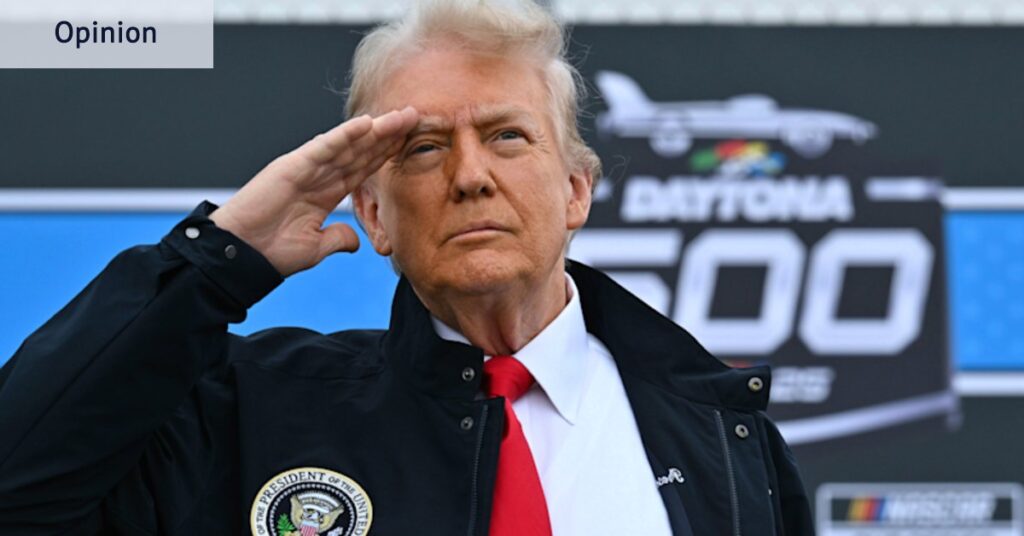
The shift in strategy coincides with the re-entry of Donald Trump into the White House. The Biden administration had attempted to support the EV industry through tax credits and emissions standards under the Inflation Reduction Act. However, Trump’s “One Big Beautiful Bill Act” dismantled many of these measures, including the crucial tax credits.
Trump has been vocal in his skepticism of climate change, labeling it a “con job,” and has relaxed emissions standards, eliminating fines for breaching fuel-economy standards. This policy shift has made the already challenging economics of US EVs even more difficult, with Ford reporting annual losses of $5 billion on its EVs.
Last month, EV sales in the US plunged by about 40 percent following the withdrawal of tax credits at the end of September.
Strategic Shift Towards Hybrids
Ford’s decision to pivot towards hybrids is a rational response to these market changes. The take-up of hybrids by US consumers has been stronger than that of pure EVs. As Ford CEO Jim Farley noted, the market has shifted significantly in recent months, prompting the company to adapt its strategy accordingly.
By 2030, Ford plans to increase the share of non-traditional powertrains in its vehicle mix from 17 percent to 50 percent. This approach mirrors Toyota’s strategy, which views hybrids as a transitional technology that can alleviate consumer concerns about range and charging infrastructure.
Global Implications and Challenges
The shift away from global platforms and supply chains represents a fragmentation of the previous strategy. Ford’s joint venture with Renault in Europe for small EVs and other cooperative arrangements will lose the scale benefits previously afforded by a vast domestic consumer base in the US.
Meanwhile, US manufacturers are effectively vacating the global EV market, leaving it to Chinese companies that are flooding international markets with affordable EV exports. The US, with its substantial tariff barriers against EV imports, remains an exception.
Europe is also grappling with the economic challenges of EVs. The European Union had set a goal for all new cars to be zero-emission by 2035. However, slower-than-expected EV sales growth and strong demand for internal combustion vehicles have led the EU to reconsider this ban, opting instead for a 90 percent reduction in exhaust emissions by 2035.
In the EU, EVs account for about 25 percent of new vehicle sales, while in the US, they were only about 10 percent before Trump’s policies halved that rate.
Future Prospects and Industry Vulnerability
Without the economic advantages of global scale, US and European car manufacturers will struggle to compete with Chinese counterparts, who benefit from a large domestic market and government incentives. China’s dominance in EV supply chains and battery technology further solidifies its position in the global market.
The legacy car manufacturers’ retreat to hybrids and internal combustion vehicles makes sense in the current context but leaves them vulnerable in the long term. As EV range continues to improve and charging networks expand, the shift towards hybrids may only be a temporary solution.
While US and European manufacturers can survive under current protectionist measures, they risk becoming dependent on a future dominated by Chinese EVs. The lack of a financially viable transition path without government incentives and emissions standards leaves the industry in a precarious position.
As the global car industry continues to evolve, the decisions made today will have lasting impacts. The Business Briefing newsletter offers major stories, exclusive coverage, and expert opinions. Sign up to stay informed every weekday morning.