


In 2025, Florida International University (FIU) has emerged as a beacon of scientific innovation, with its researchers making significant strides across various fields. From groundbreaking developments in health and medicine to pioneering advancements in environmental science and technology, FIU’s contributions are reshaping the scientific landscape.
Research spearheaded by Dean Tomás R. Guilarte has unveiled a promising new target for combating debilitating neurological diseases. This discovery could pave the way for novel treatments that alleviate the suffering of millions worldwide. Meanwhile, Associate Professor Diana Azzam’s innovative approach of testing FDA-approved drugs directly on patient tumor samples has yielded life-saving results, offering new hope to cancer patients.
Innovations in Health and Medicine
Dr. Makoto Hashimoto, who joined FIU in January, has quickly established the busiest robot-assisted cardiac surgery program in Florida at Baptist Health. With over 100 surgeries performed this year, Dr. Hashimoto’s work is setting new standards in cardiac care. Complementing these efforts, Dr. David Kalfa, a leader in tissue-engineered cardiovascular devices, continues to revolutionize neonatal cardiac care as co-director of the Nicklaus Children’s Heart Institute.
In the realm of diagnostics, Associate Professor Joshua Hutcheson and Research Assistant Professor Valentina Dargam are exploring AI-enhanced stethoscopes that could revolutionize early cardiac disease detection. Such innovations underscore the critical role of technology in modern medicine.
Environmental and Technological Advances
The environmental resilience team at FIU, led by Associate Professor Natalia Soares Quinete, has identified the accumulation of manmade chemicals in the River of Grass. This finding highlights the urgent need for sustainable practices to protect vital ecosystems. In parallel, FIU’s undersea research lab has undergone significant enhancements, incorporating sensor technology and AI-powered monitoring systems to better understand marine environments.
In the field of energy, Associate Professor Bilal El-Zahab and his team have discovered a method to extend the lifespan of lithium-sulfur batteries. This breakthrough could significantly impact the future of energy storage, making renewable energy sources more viable.
AI and Engineering Breakthroughs
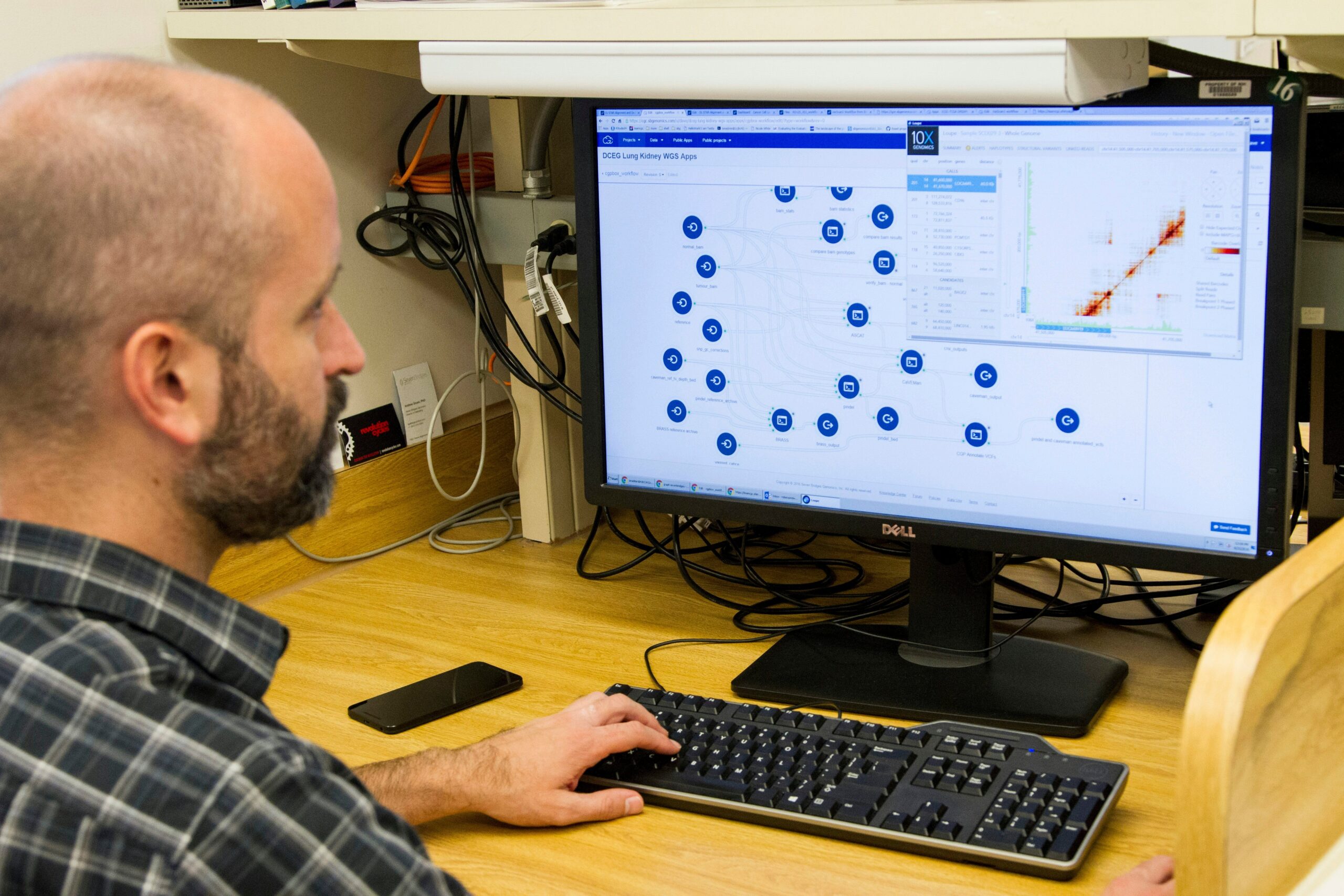
Professor Giri Narasimhan’s development of an AI model capable of processing real-time data to address dangerous situations marks a significant advancement in engineering and safety. This model could be instrumental in disaster response and management, potentially saving lives during critical events.
Researcher Marcelo Bigliassi’s work on the brain’s response to physical discomfort provides new insights into human endurance and performance. By establishing new “reference points” of tolerance, this research could influence training methodologies across various disciplines.
Implications and Future Directions
The implications of these scientific breakthroughs are profound, offering new avenues for research and application. As FIU continues to push the boundaries of science, the potential for societal impact grows exponentially. These developments not only enhance our understanding of complex issues but also lay the groundwork for future innovations that could transform industries and improve quality of life globally.
Looking ahead, FIU’s commitment to fostering a collaborative research environment promises even more groundbreaking discoveries. As faculty and students continue to explore uncharted territories in science, their work will undoubtedly contribute to a brighter, more sustainable future.