


In the wake of the tragic shooting at Bondi Beach, Australia is set to establish a national gun buyback scheme, Prime Minister Anthony Albanese announced. This initiative comes as authorities continue to investigate the attack that claimed 15 lives and left the nation in mourning. Meanwhile, police have arrested several men in Liverpool, southwest Sydney, although no confirmed links to the Bondi gunmen have been established.
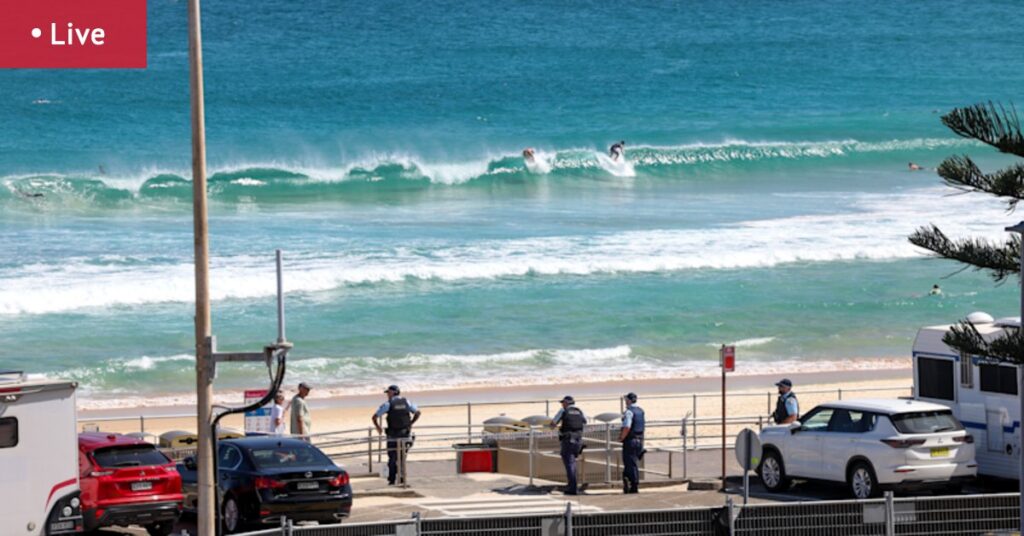
The announcement follows a powerful morning tribute at Bondi Beach, where approximately 700 surfers participated in a paddle-out to honor the victims. The surfers formed a circle beyond the surf break, splashing water in a traditional act of remembrance and healing.
Police Interception in Liverpool
NSW Police Deputy Commissioner Dave Hudson reported that no weapons were found in the vehicles intercepted by heavily armed tactical police in Liverpool. The men, who remain in custody under a Commonwealth warrant, were detained due to “significant concern” over their travel plans. Hudson emphasized the importance of early intervention to prevent potential violence.
“I think we will see as the day plays out, a clearer picture of what was potentially going to occur yesterday,” Hudson stated.
Despite the lack of weapons, the authorities remain vigilant, with Hudson noting, “Our threshold or our tolerance for threat and risk is very low at the moment.”
Community Healing and Support
Back at Bondi, the Jewish community gathered to pray and support one another. Rabbi Yosef Eichenblatt, who was present during the attack, led prayers to bring healing to the affected area. The community also provided doughnuts, a symbolic food of Hanukkah, to those attending the paddle-out.
The government’s response includes a $42.6 million mental health support package, drawing lessons from New Zealand’s handling of the Christchurch massacre. Health Minister Mark Butler highlighted the importance of long-term support for those traumatized by the attack.
“The trauma, the distress, particularly in Bondi and those eastern suburbs of Sydney, is profound but it’s reverberating right through the country,” Butler said.
Political and Legislative Reactions
The attack has reignited debates over hate speech and gun laws in Australia. Home Affairs Minister Tony Burke announced plans to lower hate speech thresholds to their constitutional limits, emphasizing the need to protect citizens’ safety over the right to offensive speech.
“We are drafting now for the strongest laws against hate speech that Australia has seen,” Burke declared.
Burke also defended the government’s decision to tighten gun laws, arguing that addressing both the motivation and method of attacks is crucial. The proposed measures include restricting gun licenses to Australian citizens and limiting the number and types of firearms.
Critics, including former Prime Minister John Howard, have accused the government of using gun reforms as a distraction from addressing antisemitism. Burke countered that the fight against antisemitism is ongoing and requires continuous action.
Community Resilience and Moving Forward
The paddle-out at Bondi Beach served as a poignant reminder of the community’s resilience. Participants, including friends Gustavo Masili and William Griffiths, described the event as a unifying experience that helped release collective grief.
“When we screamed, it was really great energy, we felt like we were together again, in our body, in our hearts,” Griffiths reflected.
As the nation grapples with the aftermath of the attack, the government’s actions and the community’s response underscore a commitment to healing and preventing future tragedies. The national gun buyback scheme represents a significant step in addressing the broader issues of violence and safety in Australia.