

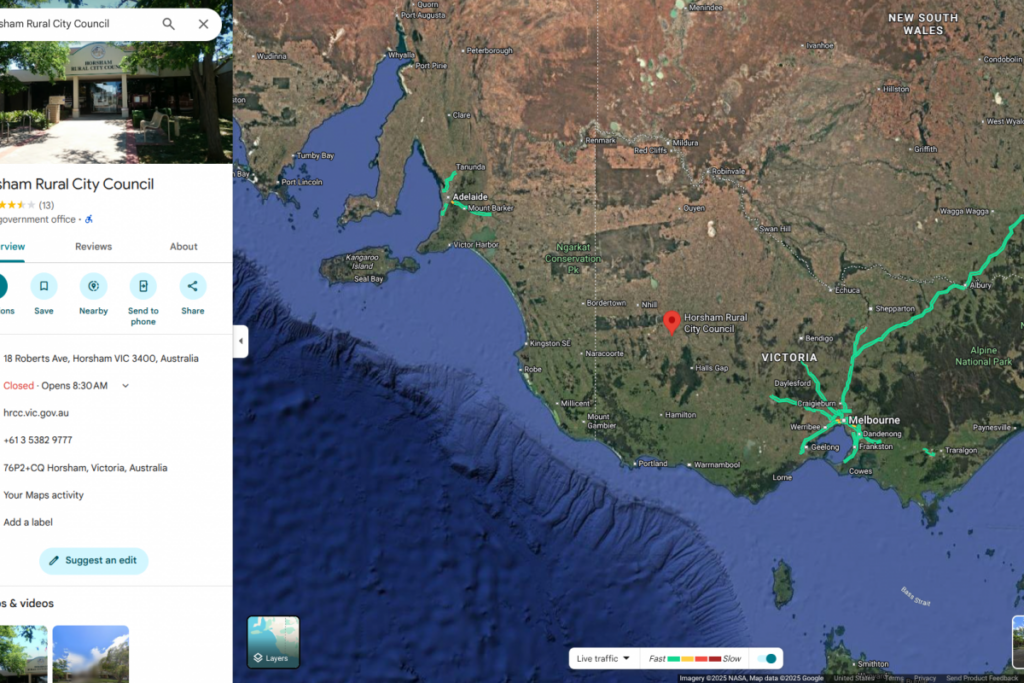
With the onset of Australia’s summer season, health authorities in New South Wales (NSW) have issued a public warning regarding the increased risk of mosquito-borne viruses that can lead to brain swelling. This alert follows the early detection of these viruses, which have prompted NSW Health to urge residents to take preventive measures against mosquito bites.
The first detection of the Japanese Encephalitis virus (JEV) for the 2025-2026 summer season was reported on December 4, 2025, in the Horsham Rural City Council region of Victoria, northwest of Melbourne. This virus, which can cause severe brain inflammation, is a particular concern for 60 Local Government Areas in NSW identified as at risk.
Early Virus Detections Raise Concerns
In addition to JEV, another mosquito-borne virus, the Kunjin virus, has been detected in Western NSW at Cowra. This discovery was made through routine surveillance using sentinel chicken blood samples conducted by NSW Health. The early detection of these viruses has raised alarms among health officials.
Dr. Stephen Conaty, Director of Health Protection at NSW Health, expressed concern over these early detections. “Mosquito numbers will likely increase with warmer weather, and we remind everyone in NSW to protect themselves against mosquito bites, which can cause diseases such as Japanese Encephalitis and Murray Valley Encephalitis, and infection with Kunjin virus, Ross River virus, and Barmah Forest virus,” Dr. Conaty stated.
Vaccination and Prevention Strategies
While a safe and effective vaccine, known as JEspect or Ixiaro, is available to protect against Japanese Encephalitis, no such preventive measure exists for the Kunjin virus. The JE vaccine is offered free to individuals residing or working in the 60 at-risk LGAs and in northern NSW, as well as to those in certain high-risk occupations.
The vaccine is accessible through General Practitioners, Aboriginal health services, and pharmacists, although providers may require advance notice to order the vaccine and may charge a consultation fee. A booster dose is recommended for individuals with ongoing exposure risk, one to two years after the initial vaccination course.
“There is a safe, effective, and free vaccine (JEspect / Ixiaro) to protect against Japanese Encephalitis (JE),” Dr. Conaty highlighted.
Impact on Travelers and Local Communities
Given the millions of international travelers visiting NSW, the U.S. Centers for Disease Control and Prevention (CDC) advises vaccination against JEV for those visiting high-risk areas like the Murray River and the Outer Torres Strait Islands in 2025. The absence of a vaccine for the Kunjin virus underscores the importance of preventive measures, such as avoiding mosquito bites, especially during peak activity times between dusk and dawn.
NSW Health emphasizes the need for vigilance and proactive measures to prevent mosquito bites. This includes using insect repellent, wearing protective clothing, and ensuring that living spaces are mosquito-proof.
Looking Ahead: Managing Mosquito-Borne Threats
The recurring threat of mosquito-borne diseases in Australia highlights the need for ongoing public health education and preventive strategies. As climate patterns shift and summers grow warmer, the potential for increased mosquito activity and virus transmission remains a significant concern.
Health authorities continue to monitor the situation closely, with routine surveillance and community education playing critical roles in managing these health risks. The public is urged to stay informed and take necessary precautions to protect themselves and their communities.
As the summer progresses, NSW Health plans to provide updates and further guidance to ensure public safety and minimize the impact of mosquito-borne diseases across the region.