




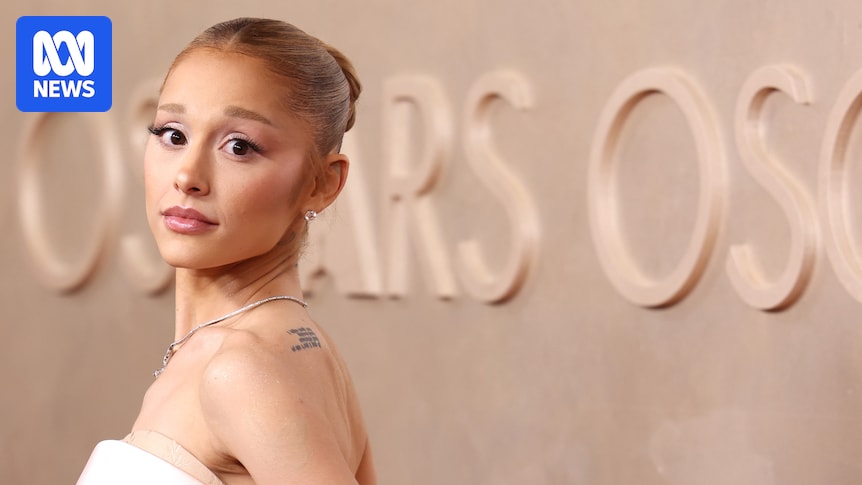
In a groundbreaking move for one of television’s most prestigious events, the Academy Awards will transition from its long-time broadcast partner ABC to streaming exclusively on YouTube beginning in 2029. This announcement was made by the Academy of Motion Picture Arts and Sciences, marking a significant shift in how audiences worldwide will experience the Oscars.
ABC will continue to air the annual ceremony through 2028, which will coincide with the 100th anniversary of the Oscars. However, starting in 2029, YouTube will hold the global rights to stream the event, continuing through 2033. This partnership will also encompass other Oscar-related programming, such as red-carpet coverage, the Governors Awards, and the Oscar nominations announcement.
Strategic Partnership and Global Reach
“We are thrilled to enter into a multifaceted global partnership with YouTube to be the future home of the Oscars and our year-round Academy programming,” stated Bill Kramer, the Academy’s chief executive, and Lynette Howell Taylor, the Academy’s president. “The Academy is an international organization, and this partnership will allow us to expand access to the work of the Academy to the largest worldwide audience possible — which will be beneficial for our Academy members and the film community.”
This development follows a trend where major award shows have incorporated streaming partnerships. However, the YouTube deal is unprecedented as it represents the first time one of the “big four” awards — the Oscars, Grammys, Emmys, and Tonys — will completely forgo traditional broadcast television. With YouTube’s reach of approximately 2 billion viewers, the Oscars will be accessible to a vast audience, streaming for free worldwide and available to YouTube TV subscribers with multiple language audio tracks and closed captioning.
Impact on Traditional Broadcasting
The Disney-owned ABC network has been the Oscars’ broadcast home for nearly its entire history. NBC first televised the Oscars in 1953, but ABC acquired the rights in 1961, with only a brief interruption from 1971 to 1975 when NBC aired the show again. “ABC has been the proud home to The Oscars for more than half a century,” the network stated in response to the announcement.
In recent years, the Oscars have faced declining viewership. The 2025 ceremony was watched by 19.7 million viewers on ABC, a slight increase from the previous year, partly due to being simulcast on Disney’s streaming service Hulu for the first time. Despite this, technical issues on Hulu marred the experience for some viewers. During the COVID-19 pandemic, ratings plummeted to as low as 10.4 million, a stark contrast to the 40 million viewers the telecast regularly attracted a decade ago.
Innovations and Future Prospects
The Oscars have undergone several changes in recent years to rejuvenate the nearly century-old event. New categories have been introduced, such as Best Casting, which will be awarded starting in 2026, and Best Stunt Design, set to debut by the 100th anniversary in 2028. Additionally, since 2023, the telecast has been streamlined, with eight categories, including editing and production design, presented off-air.
This week, the Oscars shortlist was announced for 12 categories, highlighting a competitive field led by Warner Bros’ Sinners and Universal’s Wicked: For Good, each receiving eight mentions. The Academy Award nominations are scheduled to be announced on January 22, with comedian Conan O’Brien returning to host the 98th ceremony on March 15.
Looking Ahead
The move to YouTube represents a bold step into the future for the Oscars, aligning with broader industry trends towards digital and streaming platforms. Neal Mohan, YouTube’s chief executive, expressed enthusiasm for the partnership, stating, “The Oscars are one of our essential cultural institutions, honoring excellence in storytelling and artistry. Partnering with the academy to bring this celebration of art and entertainment to viewers all over the world will inspire a new generation of creativity and film lovers while staying true to the Oscars’ storied legacy.”
As the Academy prepares for this new chapter, the transition to streaming could redefine how global audiences engage with the Oscars, potentially revitalizing its viewership and cultural relevance in an increasingly digital age.