




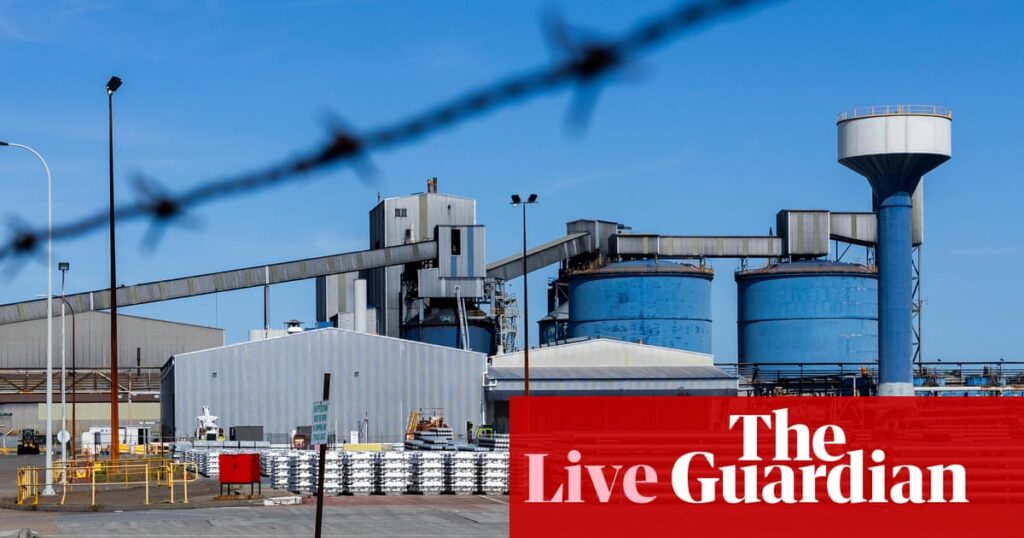
The Australian government has struck a pivotal deal to ensure the continued operation of the Tomago aluminium smelter, the nation’s largest, beyond 2028. Prime Minister Anthony Albanese announced the agreement during a visit to Tomago, New South Wales, emphasizing the strategic importance of the facility for Australia’s manufacturing sector.
“There has been a board meeting here that’s considered the proposals that were going forward,” Albanese stated, “and what that will look like is Tomago agreeing to have more investment here in their capability, at the same time as we provide security of a guarantee of energy price going forward as well.”
Securing Australia’s Manufacturing Future
The announcement comes as part of a broader initiative to bolster Australia’s manufacturing capabilities. Industry Minister Tim Ayres elaborated on the deal, highlighting a long-term power-purchasing agreement designed to keep Tomago internationally competitive. “This is Australia’s youngest aluminium plant. This agreement will underwrite the development of new-generation wind, solar storage projects and transmission,” Ayres explained.
By investing in renewable energy projects, the government aims to reduce electricity costs not only for the smelter but also for households and businesses across New South Wales. This move is seen as a critical step in transitioning Australia towards a more sustainable energy future while maintaining its industrial base.
“If Australia doesn’t produce aluminium, then the knock-on effect in other industries is significant because aluminium is increasingly a vital product,” Albanese remarked.
First Tuvalu Climate Migrants Arrive
Meanwhile, Australia has welcomed its first group of climate migrants from Tuvalu, a Pacific island nation severely threatened by rising sea levels. Under a bilateral agreement, Tuvaluans have been granted climate visas, with an annual cap of 280 to prevent a brain drain from the small nation.
Among the initial arrivals are Tuvalu’s first female forklift driver, a dentist, and a pastor. The program aims to preserve the cultural and spiritual ties of the Tuvaluan community while providing them with new opportunities in Australia.
Manipua Puafolau, a trainee pastor from Tuvalu’s main island of Funafuti, expressed the significance of the move: “For the people moving to Australia, it is not only for their physical and economic wellbeing, but also calls for spiritual guidance.”
Economic and Social Implications
The deal to keep the Tomago smelter operational is a strategic move to safeguard jobs and sustain economic growth in the region. However, it also raises questions about the role of taxpayer funding in supporting large industrial operations. Economics editor Patrick Commins has explored the complexities of such funding in recent analyses.
On the social front, the arrival of Tuvaluan migrants highlights Australia’s role in addressing climate change impacts. As one of the countries most vulnerable to climate change, Tuvalu’s situation underscores the urgent need for global cooperation in environmental protection and sustainable development.
More than one-third of Tuvalu’s 11,000 population applied for a climate visa to migrate to Australia, reflecting the dire situation on the island.
Looking Ahead
The Australian government’s actions in securing the future of the Tomago smelter and welcoming climate migrants from Tuvalu illustrate a commitment to both economic resilience and humanitarian responsibility. As these initiatives unfold, they will likely serve as case studies in balancing industrial growth with environmental and social considerations.
As Australia navigates these complex challenges, the outcomes of these efforts will be closely watched by both domestic and international stakeholders. The success of these programs could pave the way for similar initiatives in other regions facing comparable challenges.