




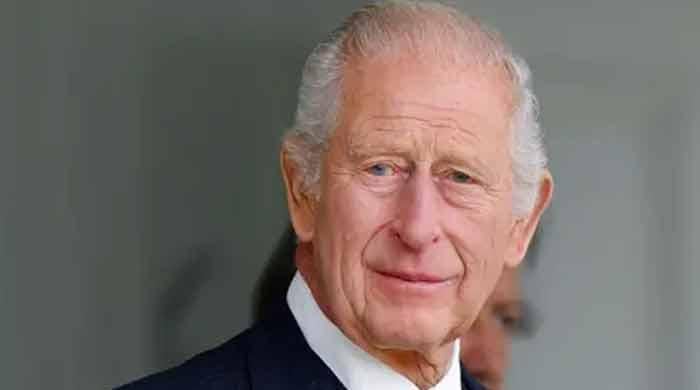
In January 2024, King Charles was diagnosed with cancer during treatment for a benign prostate condition. The 77-year-old monarch, who has openly shared his journey through a personal television message, has not disclosed the specific type of cancer he is battling. However, Buckingham Palace confirmed that it is unrelated to his prostate issues.
Just six weeks after the King’s announcement, Princess Catherine, the future queen, revealed her own cancer diagnosis and subsequent chemotherapy treatment. Like the King, she chose not to disclose the type of cancer she faced. Fortunately, Princess Catherine is now in remission and cancer-free.
The Impact on the Royal Family
The past year has been described by Prince William, heir to the throne, as “brutal” and the “hardest” of his life. The King temporarily stepped back from public duties on medical advice but resumed them in April 2024. His medical team expressed encouragement over his recovery, although treatment continues.
Since the announcement of his diagnosis, King Charles has been inundated with messages of support from around the globe. The monarch has increased his public engagements, visiting various regions in Britain, Canada, and the Vatican. In March, he was briefly hospitalized due to treatment side effects.
Messages of Hope and Advocacy
In April, King Charles sought to provide comfort to those newly diagnosed with cancer, echoing the words of the late Deborah James, a British campaigner who succumbed to bowel cancer:
“Find a life worth enjoying; take risks; love deeply; have no regrets; and always, always have rebellious hope.”
During a reception at Buckingham Palace for cancer campaigners, the King acknowledged the daunting nature of a cancer diagnosis. He highlighted that over 1,000 new cases are diagnosed daily in the UK, amounting to approximately 390,000 annually.
“But as one among those statistics myself, I can vouch for the fact that it can also be an experience that brings into sharp focus the very best of humanity,” he stated.
Public Engagement and Advocacy
On Friday, Buckingham Palace announced that King Charles had pre-recorded a video message for the Stand Up To Cancer campaign, a collaboration between Cancer Research and Channel 4. The message, recorded at Clarence House, emphasizes the importance of cancer screening programs for early diagnosis and shares insights from his recovery journey.
King Charles’ first public appearance post-diagnosis was at the University College Hospital Macmillan Cancer Centre, coinciding with his appointment as the new patron of Cancer Research UK. At an April reception honoring cancer charities, he reiterated how his experience with cancer revealed “the very best of humanity.”
Leading cancer support charity Maggie’s noted in July that the public battles of King Charles and Princess Catherine have significantly impacted fellow sufferers, encouraging openness about the challenges of coping with the illness.
Cancer in the UK: A Broader Perspective
According to a 2024 report, one in two people in the UK will develop some form of cancer in their lifetime. The NHS website lists breast, lung, prostate, and bowel cancers as the most common types in Britain. Age is a significant factor, with more than a third of new cancer cases occurring in individuals aged 75 and over.
UK figures suggest, on average each year, more than a third (36%) of new cancer cases were in people aged 75 and over.
The ongoing journey of King Charles and his family highlights the universal struggle against cancer, underscoring the importance of support, research, and early detection in the fight against this pervasive disease.