

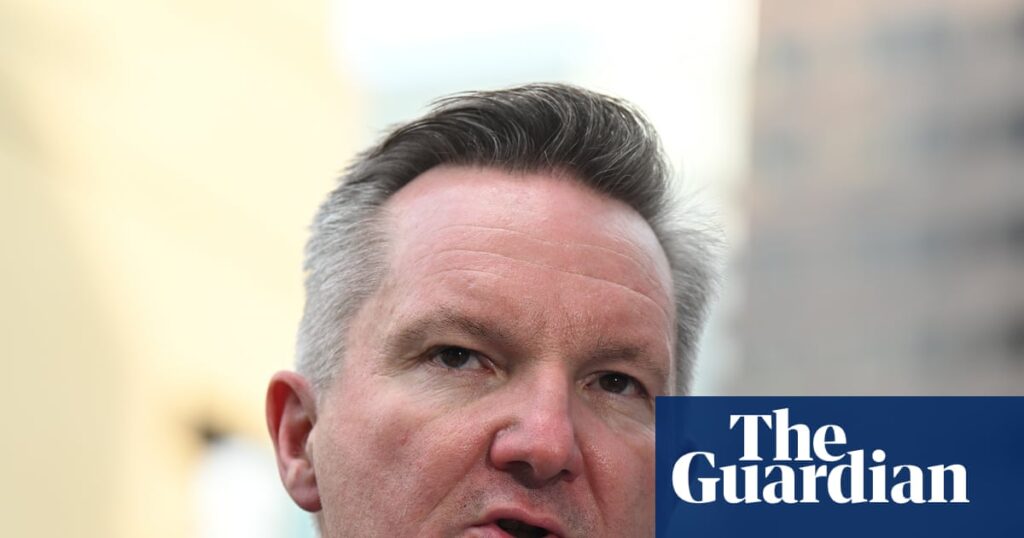
Cabinet minister Chris Bowen has defended changes to travel expense rules for politicians, originally established during the Turnbull era, which were revised by the Albanese government prior to the federal election. The adjustments, intended to simplify the process, have faced criticism for broadening the scope of claims.
In a recent announcement regarding an overhaul of the home batteries subsidy scheme, Bowen was questioned about a report in the Daily Telegraph. The report highlighted that the federal government discreetly altered the rules to facilitate easier claims for taxpayer-funded flights and accommodations for politicians.
Clarification or Expansion?
The changes, issued by Special Minister of State Don Farrell on February 12, expanded the definition of “party political duties.” Previously defined by the Turnbull government as formal meetings of political parties, the updated definition now includes activities such as “developing policies, proposals and plans” related to federal elections.
Bowen emphasized that the changes were intended as a clarification, stating, “There was no change to what is allowed or not allowed. Those changes… were made so that people are surer when they’re booking their travel as to whether it was covered or not.”
Scrutiny of Travel Entitlements
This development follows intense scrutiny of travel entitlements. Recently, Guardian Australia reported that Farrell charged taxpayers over $2,200 for a trip to Canberra, coinciding with a press gallery journalist’s wedding. The trip was described as official duties.
Meanwhile, Nine newspapers revealed that Anika Wells’ family utilized taxpayer-funded family reunion entitlements for a skiing trip to Thredbo while she attended an official event. Prime Minister Anthony Albanese defended a $100,000 trip to New York City for Wells and others to promote Australia’s social media ban at the UN General Assembly.
Calls for Transparency and Accountability
The attorney general, Michelle Rowland, confirmed joining Wells in referring her travel expenses for independent audit. Bowen remarked that the self-referral of two Labor ministers demonstrated their comfort with full scrutiny, noting that these incidents weren’t isolated.
“Let’s not, with all due respect, pretend that Don Farrell, Anika Wells, and Michelle Rowland are the only people who’ve used the family reunion benefit,” Bowen said.
He further acknowledged the high expectations taxpayers have regarding the use of public funds, stating, “That’s why the prime minister is getting some independent advice.”
Implications for Future Policy
Asked about the fairness of broad entitlements, Bowen defended the necessity of travel for parliamentary duties, emphasizing the importance of clear rules. “It’s important that people have clarity with the rules and those rules were clarified and are being assessed by the watchdog,” he stated.
After days of confusion regarding the Independent Parliamentary Expenses Agency’s role, the prime minister confirmed that he had requested the watchdog to provide advice on overhauling MPs’ travel perks, suggesting potential changes. The responsibility for setting allowances lies with the government and parliament, not the independent agency.
As the debate continues, the government faces pressure to balance transparency and accountability with the practical needs of parliamentary duties. Farrell has been approached for comment, but the broader implications of these rule changes remain a topic of significant political discourse.