




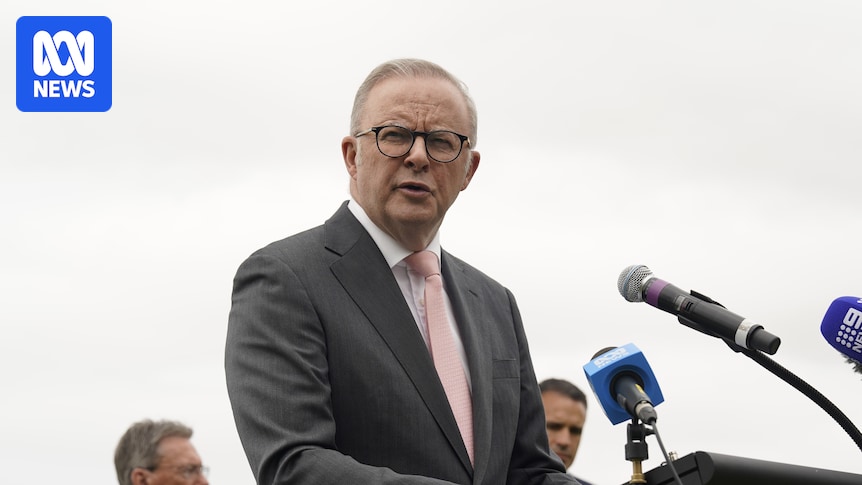
Among those cheering the start of the Albanese government’s groundbreaking ban on social media accounts for under-16s was former Liberal MP David Coleman, who lost his seat in May. The ban, which took effect on Wednesday, represents a significant shift in policy aimed at addressing the mental health impacts of social media on young people.
Coleman, who had served as assistant minister to former Prime Minister Scott Morrison for mental health and suicide prevention, was a communications spokesman under Peter Dutton. His advocacy played a crucial role in the Dutton opposition adopting the idea of a ban, which was also being pursued by the South Australian Labor government.
Origins and Motivations Behind the Ban
The push for the ban gained momentum when South Australian Premier Peter Malinauskas was spurred into action by his wife, Annabel West, after she read Jonathan Haidt’s seminal 2024 book The Anxious Generation. The book documents the devastating effects of what Haidt calls the “great rewiring of childhood” due to social media.
The Murdoch media’s support added considerable heft to the campaign for action. The Albanese government took up the issue and legislated the ban a year ago, marking a bold move into largely uncharted territory.
Public Opinion and Challenges
While the current opposition seems to be looking for problems as the ban takes effect, Coleman expressed his approval in an interview with The Conversation, stating, “I’m really glad it’s happening. It’s a very significant change.” He acknowledged potential implementation issues but emphasized that “a lot of kids won’t be on social media and it will strengthen the hand of parents.”
According to an Essential poll published this week, 57% support the ban, with only 43% of those aged 18–34 in favor. In July 2024, 69% were in favor. Only 14% believed it would be effective in stopping most children from using social media, while 52% said it would be somewhat effective, and 34% said it wouldn’t be effective at all.
Despite the support, a survey by the ABC of 17,000 under-16s showed that three-quarters of social media users did not plan to stop using it when the ban was implemented. This suggests a potential youth insurgency, as many children may have both the know-how and the desire to circumvent the ban.
Implementation and Future Prospects
On the ban’s first day, many children flocked to platforms not covered by the ban. However, the long-term effectiveness of the policy remains to be seen. eSafety Commissioner Julie Inman Grant has vowed not to be deterred by “those isolated cases of teenage creativity” in escaping the ban, stating, “We’re playing the long game.”
Inman Grant is issuing information notes to 10 major platforms, including Facebook, Instagram, Threads, Kick, Reddit, Snapchat, TikTok, X (formerly Twitter), Twitch, and YouTube. She will report publicly before Christmas on how these age restrictions are being implemented and whether they are preliminarily effective.
The short-term questions around the ban will focus on how willingly and successfully platforms implement it. The more significant question is its long-term impact, especially given some experts’ concerns that the ban could isolate young people who are disadvantaged or vulnerable.
Political and Social Implications
From the government’s perspective, the launch of the ban coincided with a challenging political backdrop. By Wednesday, the expenses controversy surrounding Communications Minister Anika Wells had spread to involve multiple politicians. The debate over MPs’ spending comes just ahead of next week’s budget update, which will include cuts and a message about tightening government outlays.
Prime Minister Albanese spent the week reminding the public that the rules were made during the Coalition’s time in office, following a travel controversy that forced Sussan Ley to resign from the Turnbull ministry. The Independent Parliamentary Expenses Authority is reviewing Wells’s spending, and any recommendations for tightening guidelines could lead to reforms.
Albanese himself has not escaped scrutiny, with reports of taxpayer-funded travel coinciding with party fundraisers. This highlights how politicians can navigate entitlement rules, drawing a parallel to the creativity of young people potentially circumventing the social media ban.
As the government navigates these challenges, the true measure of the social media ban’s success will take years to evaluate. The policy’s long-term impact on young people’s mental health and social dynamics will ultimately determine its significance in Australia’s legislative landscape.