




The “Architects of AI” have been named Time magazine’s Person of the Year for 2025, marking a pivotal moment in the evolution of artificial intelligence. This announcement, made on Thursday, highlights 2025 as the year when AI’s potential became undeniably clear, with profound implications for the future.
In a statement, Time emphasized the transformative impact of AI, stating,
“For delivering the age of thinking machines, for wowing and worrying humanity, for transforming the present and transcending the possible, the Architects of AI are TIME’s 2025 Person of the Year.”
The magazine’s choice underscores the contributions of the individuals who have imagined, designed, and built AI, rather than the technology itself.
Historical Context and Precedents
Time’s decision to honor a group rather than a single individual is not unprecedented. As Sam Jacobs, Time’s editor-in-chief, noted, the magazine has previously recognized groups and concepts, such as the endangered Earth in 1988 and the personal computer in 1982. Jacobs reflected on the magazine’s history, highlighting the selection of the personal computer over Apple’s Steve Jobs as a notable moment.
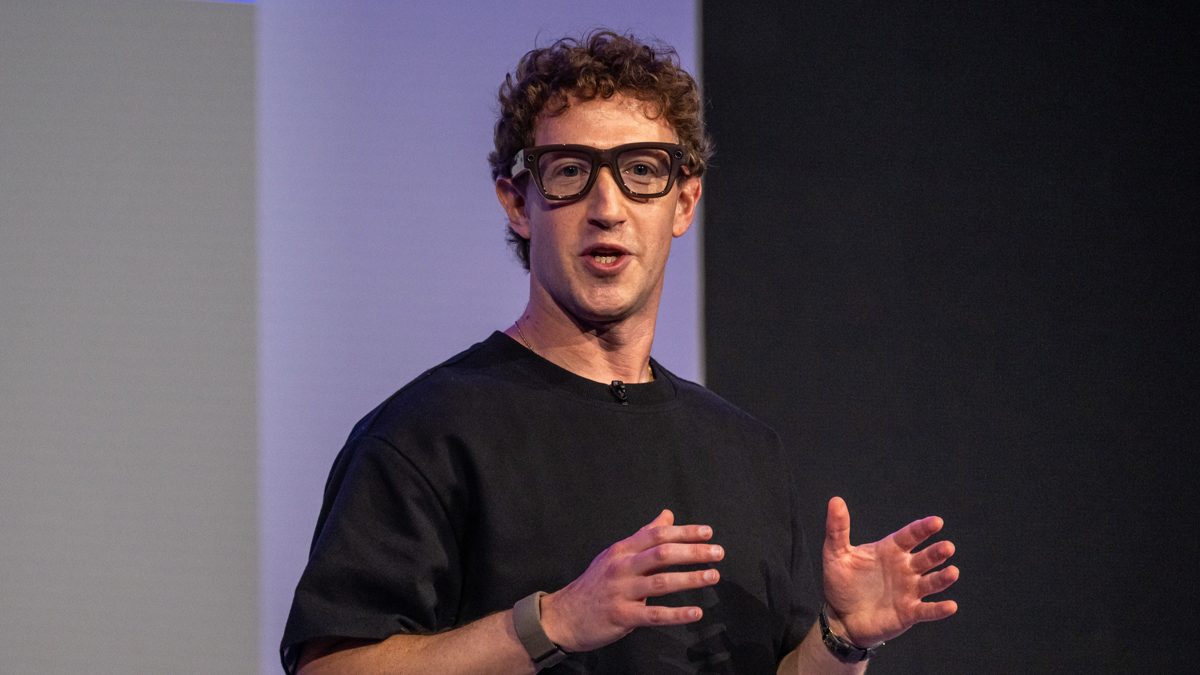
The cover images for this year’s announcement are symbolic, with one resembling the iconic “Lunch Atop a Skyscraper” photograph from the 1930s. This image features eight prominent tech leaders: Meta CEO Mark Zuckerberg, AMD CEO Lisa Su, Tesla CEO Elon Musk, Nvidia CEO Jensen Huang, OpenAI CEO Sam Altman, DeepMind CEO Demis Hassabis, Anthropic CEO Dario Amodei, and AI pioneer Fei-Fei Li.
The Rise of AI and Economic Impact
The selection of these individuals highlights the economic and technological shifts driven by AI. Five of the eight honorees—Musk, Zuckerberg, Huang, Altman, and Su—are billionaires, collectively amassing a fortune estimated at $US870 billion, largely due to the AI boom over the past three years.
According to Thomas Husson, principal analyst at Forrester, 2025 marks the year AI transitioned from being a novel technology to a mainstream presence in consumers’ lives.
“It made sense for Time to anoint AI because 2025 was the year that it shifted from ‘a novel technology explored by early adopters’ to one where a critical mass of consumers see it as part of their mainstream lives,”
Husson stated.
AI’s Societal Implications and Future Outlook
While the advancements in AI are celebrated, they also bring cautionary tales. Anthony Aguirre, executive director of the Future of Life Institute, warned about the rapid pace at which AI companies are developing technologies that could replace humans in various roles.
“The impact on our society could be catastrophic if there are no guardrails protecting what’s human, and most important to us,”
Aguirre cautioned.
The prominence of AI in 2025 was further underscored by the attendance of AI company CEOs at President Donald Trump’s inauguration, signaling the sector’s growing influence. This year also saw AI as a leading contender for Time’s top honor, alongside individuals like Nvidia’s Jensen Huang and OpenAI’s Sam Altman. Other contenders included Pope Leo XIV, following the death of Pope Francis, and political figures such as Trump, Israeli Prime Minister Benjamin Netanyahu, and New York Mayor-elect Zohran Mamdani.
Looking Back and Forward
Time’s tradition of selecting a Person of the Year dates back to 1927, with the aim of recognizing the individual or group that most influenced the news over the past year. The magazine, acquired by Salesforce co-founder Marc Benioff in 2018, continues to operate with editorial independence, despite Benioff’s acknowledgment of AI as a significant technological wave.
As AI continues to shape the future, the recognition of its architects by Time magazine serves as a testament to the profound changes underway. The implications of AI’s rise will undoubtedly continue to unfold in the coming years, influencing technology, economy, and society at large.