




Researchers from North Carolina State University have confirmed the discovery of a new species of Rickettsia bacteria in dogs, first observed in 2018. Named Rickettsia finnyi, this new species is linked to symptoms akin to Rocky Mountain spotted fever (RMSF) in canines. However, it has not yet been detected in humans.
Rickettsia pathogens are divided into four groups, with the spotted-fever group Rickettsia being the most recognized due to its transmission via ticks. This group includes over 25 tick-borne species globally, with R. rickettsii, the cause of RMSF, being one of the most virulent. Symptoms of RMSF in both dogs and humans include fever, lethargy, and vascular inflammation symptoms such as swelling, rash, and pain.
New Species Discovery and Research
According to Barbara Qurollo, an associate research professor at NC State and the study’s corresponding author, the novel Rickettsia species was first reported in a 2020 case series involving three dogs. “Since then, we have received samples from an additional 16 dogs, primarily from the Southeast and Midwest, infected with the same pathogen,” Qurollo explains. “We were also able to culture the new species from the blood of one of the naturally infected dogs in that group.”
To officially name a new Rickettsial bacterial species, researchers must culture the bacteria, sequence its genome, publish the findings, and deposit the cultures in two biobanks for further study. Qurollo’s team successfully cultured Rickettsia finnyi from an infected dog.
Challenges in Culturing and Transmission
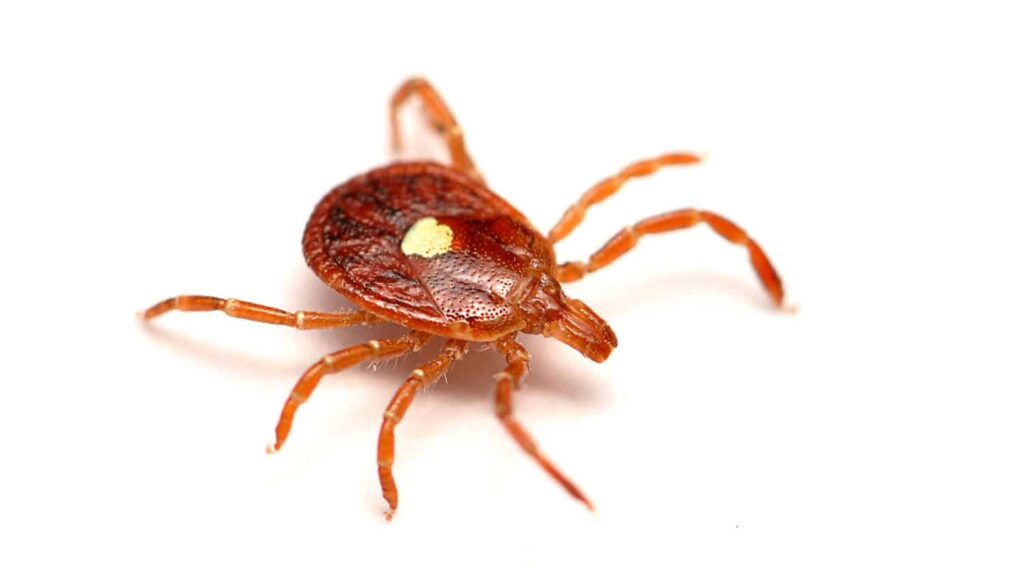
“Rickettsia species are difficult to culture because these organisms grow inside cells,” Qurollo notes. While the specific tick species responsible for transmitting R. finnyi remains unidentified, researchers suspect the lone star tick may be involved, as a research group in Oklahoma found R. finnyi DNA in this tick species.
The new species was named Rickettsia finnyi in honor of Finny, the first dog in which it was identified. “By naming it after an individual dog, we wanted to honor all companion dogs that have contributed to the discovery of new pathogens that could cause serious illness in both dogs and humans,” Qurollo says.
Implications and Future Research
The discovery of Rickettsia finnyi adds to the growing list of tick-borne pathogens that pose potential health risks to both animals and humans. The research, published in Emerging Infectious Diseases, was supported by the American Kennel Club Canine Health Foundation, underlining the importance of continued funding and research in this area.
Praveen Korla and Michael Karounos, both researchers at NC State, are co-first authors of the study. Other contributors include Sarah Clarke, Cynthia Robveille, James Wilson, Edward Breitschwerdt, and Adam Birkenheuer.
“By naming it after an individual dog, we wanted to honor all companion dogs that have contributed to the discovery of new pathogens that could cause serious illness in both dogs and humans,” Qurollo says.
As researchers work to understand the transmission and potential impact of Rickettsia finnyi, the importance of monitoring tick populations and the diseases they carry remains paramount. Future studies may focus on identifying the tick vectors involved and assessing the risk to human health.