


Australia’s federal politicians are facing intense scrutiny over travel entitlements, which allow senior politicians to claim “unlimited” travel expenses for their spouses. This revelation comes from guidelines governing parliamentary spending, sparking a debate over the necessity and ethics of such entitlements.
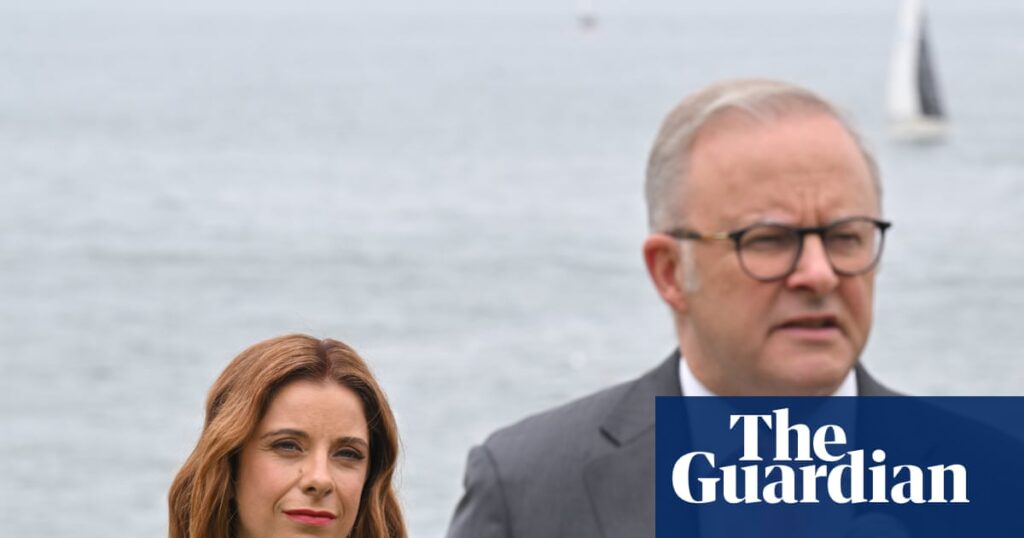
The controversy has been fueled by recent spending activities of Communications Minister Anika Wells, among others, leading to growing calls for reform. However, Prime Minister Anthony Albanese has not indicated any immediate changes to these entitlements. He stated on Wednesday, “The Independent Parliamentary Expenses Authority (IPEA) was set up by the former government to examine things independently at arm’s length. I don’t want to be the arbiter of what my colleagues [do] across the parliament, across political parties.”
Background and Current Developments
The IPEA, responsible for overseeing parliament’s expenses, operates under the IPEA Act and related regulations. It allows senior office holders, including ministers and opposition leaders, to claim travel expenses for their spouses with no cap on costs. This provision contrasts with the more limited entitlements available to backbenchers.
Despite the controversy, Albanese convened a ministry meeting in Sydney ahead of a Federal Labor Business Forum (FLBF) fundraiser, allowing ministers to claim travel expenses for attending the event. The FLBF is known for organizing high-profile fundraising events, generating significant revenue for the Labor Party.
Public Reaction and Expert Opinions
Politicians involved in the expenses scandal, including Wells and Albanese, have defended their actions, citing adherence to the rules. However, public confidence in the system is wavering. Transparency International Australia’s CEO, Clancy Moore, highlighted the disconnect between what is permissible and public expectations. He noted,
“Taxpayer-funded business class flights for a minister’s spouse to attend major sporting events, a helicopter trip to a Liberal party fundraiser, or the current deputy prime minister’s extensive use of RAAF flights to Avalon airport all highlight the gap between what’s allowed and community expectations.”
Moore further criticized the broader pattern of behavior among federal MPs, which includes weak oversight of lobbying and secret meetings with donors, undermining trust in democracy. Albanese emphasized that the rules were established independently of the government, but acknowledged that the parliament has the authority to amend the IPEA Act.
Calls for Reform and Potential Changes
Minister Wells, amidst scrutiny over her travel expenses, has referred her spending to the parliament’s expenses watchdog for review. Her travel activities included trips to high-profile events such as the Australian Open and AFL matches, all within the current rules. However, the revelations have prompted discussions about potential reforms.
Shadow Minister Melissa McIntosh, who also faced criticism for her travel claims, suggested that family travel entitlements should be reevaluated. She stated,
“I think possibly [rules around entitlements] could be dropped. I think their public expectations of politicians have changed over the years and we do all want to be with our families, me included.”
McIntosh argued that if the rules are not abolished, they should be significantly restricted.
Independent MP Monique Ryan emphasized the importance of supporting politicians who must leave their families for work but stressed that entitlements should align with public expectations. She remarked,
“In a cost-of-living crisis, politicians have to be careful to ensure that their arrangements are sensitive to the need to spend public funds responsibly.”
Ryan called for a review of the travel allowance regulations to address these concerns.
Looking Ahead
The debate over travel entitlements is likely to continue as public scrutiny intensifies and calls for reform grow louder. Whether the government will take steps to amend the IPEA Act remains to be seen, but the discussion highlights the ongoing tension between political privilege and public accountability.
As the situation develops, the focus will remain on how politicians balance their responsibilities with public expectations, and whether the existing framework can be adjusted to restore trust in the system.