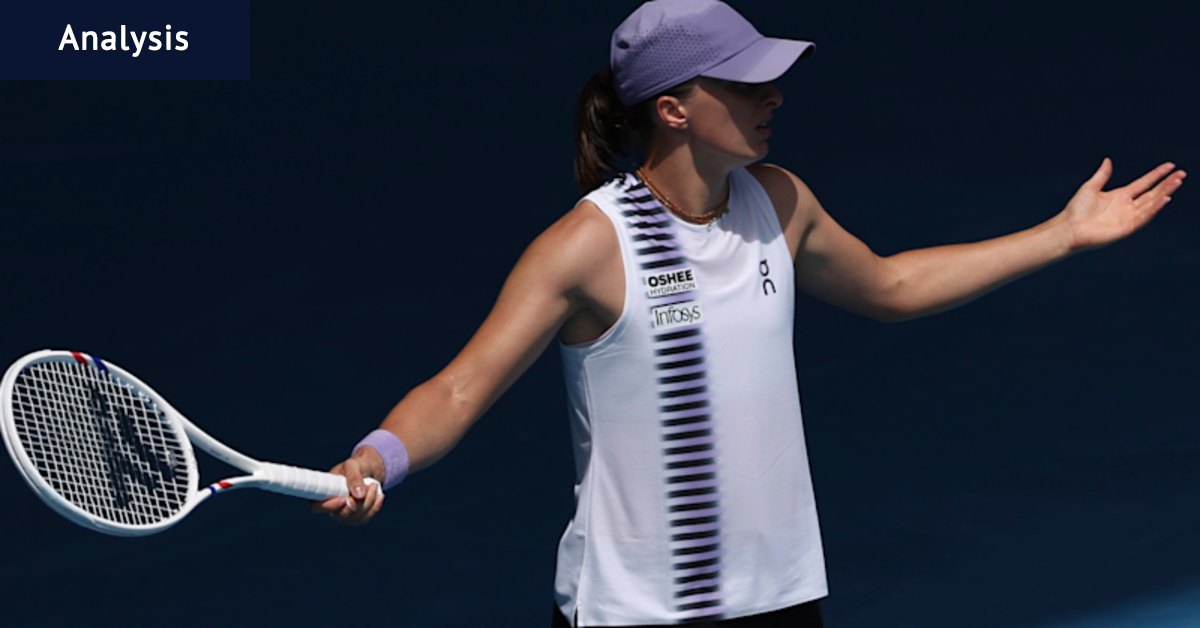





At this year’s US Open, 45-year-old tennis legend Venus Williams took to the court for a doubles match, partnered with a teammate who wasn’t even born when Williams clinched gold in the singles at the Sydney Olympics. Traditionally, the peak performance age for tennis players hovers around the mid-20s, making Williams’ continued competition at a major event an extraordinary achievement. Her career longevity is part of a growing trend among elite athletes extending their careers well into their 40s.
Basketball superstar LeBron James recently made history as the first NBA player to compete from his teens into his 40s. Similarly, Australian basketballer Lauren Jackson defied expectations by participating in her fifth Olympics at age 43. Meanwhile, 50-year-old Uzbek gymnast Oksana Chusovitina is aiming for her ninth Olympic appearance, and in Japan, Kazuyoshi Miura continues to play elite football at 58 years old.
The Science Behind Athletic Longevity
These feats are remarkable, particularly as they occur at an age when most people experience declining muscle mass, reaction times, cognition, and stamina. Yet, these athletes continue to perform at levels that test the limits of human capability. According to Associate Professor Christina Ekegren, a physiotherapist and researcher at Monash University in Melbourne, the longevity of these athletes is due to a combination of genetics, environment, and lifestyle.
“The Williams sisters, for example, undoubtedly have great genes, but they have also maximized their potential,” Ekegren notes. “They’ve been training at a very high level from a young age, starting with a strong base of fitness and strength.” Venus Williams, the older sister, remains active in the sport, becoming the oldest competitor in singles at the US Open this year.
Adapting to Age
Sports and exercise physiotherapist Ben Herde from Grand Slam Physiotherapy in Melbourne highlights that these athletes are adept at managing healthy aging. One key aspect of aging is sarcopenia, the gradual loss of muscle mass due to hormonal changes, decreased activity, and nutritional shifts. However, Herde emphasizes the importance of strength training for older athletes to combat this decline.
“If you compare someone who’s not training versus training, increased muscle mass not only boosts power and function but also offsets the loads on cartilage, bones, and neural structures,” Herde explains.
Older athletes often adapt their game to their changing bodies, becoming more selective about competitions or changing positions to reduce physical demands. “In Australian rules football, a dynamic, hard-running midfielder might transition to the forward line where there’s less running,” Herde says.
Challenges and Risks
Despite their rigorous training and conditioning, older athletes face a higher risk of injury, which takes longer to heal as they age. Professor Jeremiah Peiffer, an exercise science expert at Murdoch University in Perth, underscores the importance of recovery for maintaining elite performance in later years.
“Longevity in sport often depends on the time dedicated to recovery,” Peiffer states. “The more time you allocate to recovery, the better your body adapts.”
Cristiano Ronaldo, still playing at 40, credits scheduled recovery sessions as crucial to his sustained success, according to Men’s Health. While these athletes follow common health advice—eating well and staying active—they also face unique challenges. Prolonged high-volume training can lead to risks, such as irregular heart rhythms and musculoskeletal conditions like osteoarthritis, particularly in athletes with prior injuries.
Inspiration and Societal Impact
Despite these challenges, Ekegren believes that the success of older athletes can inspire others to maintain physical activity. “Society often stigmatizes aging as a barrier to achievement, but that’s not true,” she asserts. “It’s about how much you’re doing in your daily life.”
The achievements of athletes like Venus Williams, LeBron James, and Cristiano Ronaldo not only redefine the limits of athletic performance but also challenge societal perceptions of aging. Their continued success encourages individuals of all ages to pursue active lifestyles and push the boundaries of what is possible at any age.