


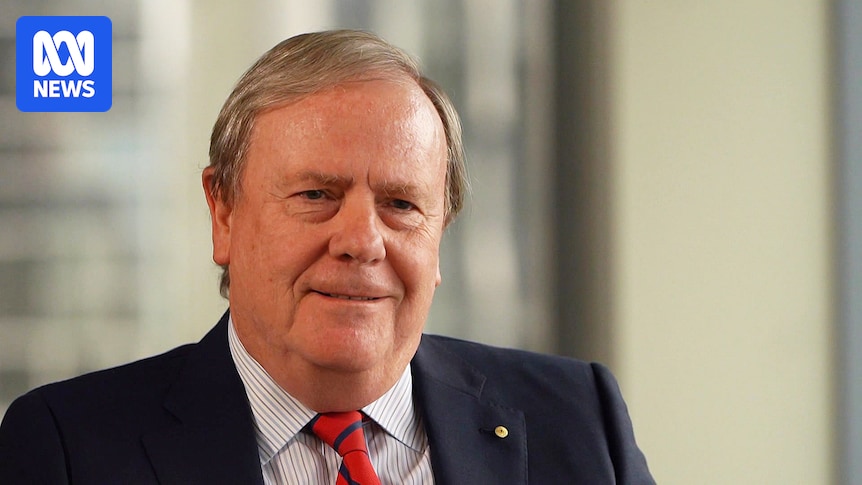
The Australian Securities Exchange (ASX) saw a modest rise today, with the ASX 200 index climbing by 0.1% to 8,601 points. This comes as former Treasurer Peter Costello reignites the debate on Australia’s declining fertility rates, urging the government to address the issue.
Market activity was mixed, with major companies like BHP and Rio Tinto seeing gains of 2.8% and 2.2% respectively, helping offset losses in other sectors. Meanwhile, the Australian dollar remained steady at 66.00 US cents, reflecting investor sentiment amid global economic uncertainties.
Economic Indicators and Market Reactions
Globally, the S&P 500 and Nasdaq indices experienced slight increases, while the FTSE saw a minor decline. Commodity prices also showed varied movements, with Brent crude rising by 0.5% and iron ore increasing by 0.3%. Bitcoin remained flat, trading at $US93,801.
In the political arena, Liberal MP James Paterson criticized the government’s productivity performance, linking it to the country’s inflation issues. According to Paterson, “Australia’s productivity performance, particularly under this government’s watch over the last few years, has been disastrously bad.”
Fertility Concerns and Economic Implications
Former Treasurer Peter Costello, known for introducing the “baby bonus” policy in 2004, has called for renewed attention to Australia’s fertility rates, which have reached a record low of 1.48 births per woman. Costello’s comments highlight concerns about the long-term economic implications of a declining birth rate.
“Is our government worried that we’re heading to a situation where we’ll have more people dying than being born in Australia? Does this worry people?” Costello questioned, emphasizing the need for government action.
Research suggests that the “baby bonus” policy initially succeeded in boosting birth rates, particularly among lower-income and less-educated mothers. However, the fiscal cost per additional birth was significant, estimated at approximately $50,000 in 2004 dollars.
Comparative Analysis and Historical Context
Australia’s fertility challenges are not unique. Many developed nations face similar demographic shifts, with increasing numbers of women choosing to delay or forgo having children. This trend poses potential challenges for workforce size, productivity growth, and the tax base needed to support an ageing population.
According to Ali Yasin Vergili of the e61 Institute, “About two-thirds of this decline is attributed to a rising share of women not having children, while one-third comes from mothers having fewer children.”
Vergili’s analysis underscores the complexity of the issue, noting that many women are postponing parenthood, which may result in smaller family sizes as they age.
Future Outlook and Policy Considerations
The debate over fertility rates and economic policy is likely to continue, with Costello urging the government to explore all options. As Australia grapples with these demographic challenges, immigration has played a role in offsetting some of the potential impacts on population growth.
However, public sentiment towards immigration is not guaranteed, and policymakers must balance demographic needs with broader economic and social considerations. The government’s upcoming Gas Market Review may also impact economic conditions, as energy prices influence both household costs and industrial competitiveness.
As the ASX edges higher, the broader economic landscape remains in flux, with policymakers and market participants alike navigating a complex array of challenges and opportunities.