



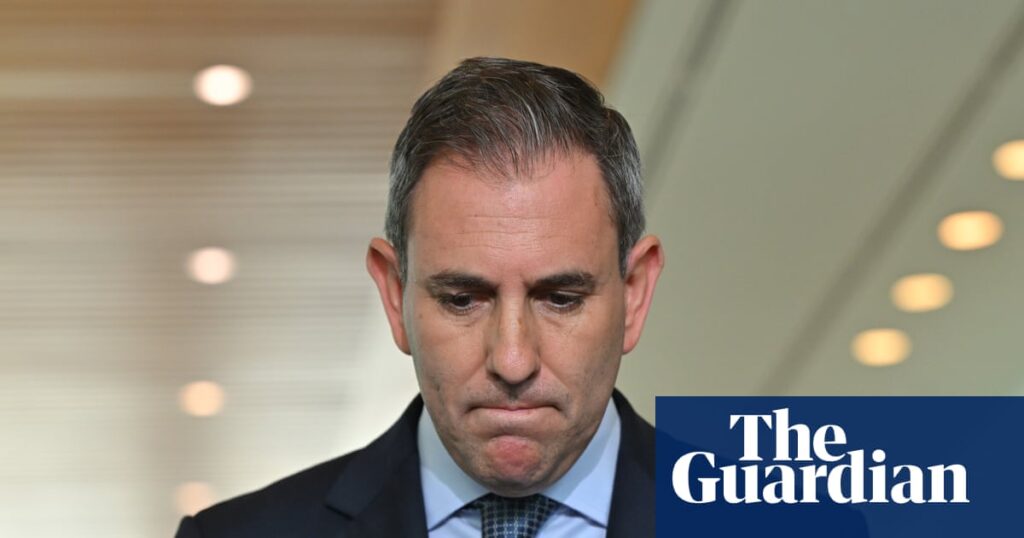
Jim Chalmers, Australia’s Treasurer, has indicated that more “difficult decisions” are on the horizon with the upcoming mid-year budget update. This announcement follows the cabinet’s decision to cease billions of dollars in energy bill rebates as the new year approaches.
The cessation of these power bill subsidies comes at a time when the Reserve Bank of Australia (RBA) is evaluating a recent uptick in inflation. This could potentially lead the central bank to increase interest rates in the coming year, adding further pressure on households.
Chalmers emphasized the growing financial pressures on the nation, setting expectations for a minimalistic fiscal update devoid of significant new policy announcements. “It’s not a mini budget, but there will be savings, and there will be difficult decisions, and one of them is around these energy rebates,” he stated.
Financial Pressures and Budget Constraints
The treasurer highlighted that budgetary strains are being exacerbated by overruns in programs such as veteran affairs and unexpected expenditures due to natural disasters. “Yes, there are pressures on the budget. Yes, there will be difficult decisions and savings to be made, but overwhelmingly, that’s about making room for our priorities,” Chalmers added.
With cost-of-living concerns remaining the predominant issue for voters, the decision to end the rebates concludes weeks of speculation about whether the government might extend another round of power bill subsidies.
Economic Context and Expert Opinions
The energy bill rebates, which began in mid-2023, were initially designed to assist families and small businesses. Over the span of 18 months, the federal government allocated nearly $7 billion across three rounds of subsidies. An additional $1.5 billion was contributed by state and territory governments.
Economists have largely supported the decision to end the rebates, arguing that the policy had exceeded its initial objective of protecting vulnerable households from the surge in global energy costs triggered by Russia’s invasion of Ukraine in 2022.
Chris Richardson, an economic commentator, remarked, “There was remarkably little to recommend [power bill rebates] as a policy,” especially when expanded to include all families rather than focusing on those most in need.
Richardson further described the rebates as “pure political pork, as crispy as it comes,” acknowledging the temptation for the government to continue them. “Instead, they have made the decision that the natural party of government should make in these circumstances,” he noted.
Political Reactions and Future Implications
Ben Phillips, an associate professor at the ANU’s Centre for Social Policy Research, concurred that the rebates “should have gone earlier, but better late than never.” He added, “I’m not sure we have entirely slayed the inflation dragon, but the days of 7% or 8% inflation have disappeared.”
Phillips also pointed out that with the budget tightening and the economy performing reasonably well, there is less need for fiscal stimulus.
Meanwhile, Anne Ruston, a Liberal senator, criticized the Albanese government for the high power prices but refrained from opposing the decision to end the rebates. “What you’ve got to do is get down energy prices so that there’s no need for this,” Ruston told Sky News, emphasizing the need for Australians to afford their energy bills without government intervention.
Looking Ahead
The decision to end energy bill rebates marks a significant fiscal policy shift as the government navigates complex economic challenges. With inflationary pressures and potential interest rate hikes on the horizon, the focus will likely shift to long-term solutions for energy affordability and economic stability.
As the mid-year budget update approaches, all eyes will be on the government’s strategies to balance fiscal responsibility with the pressing needs of Australian households and businesses.