



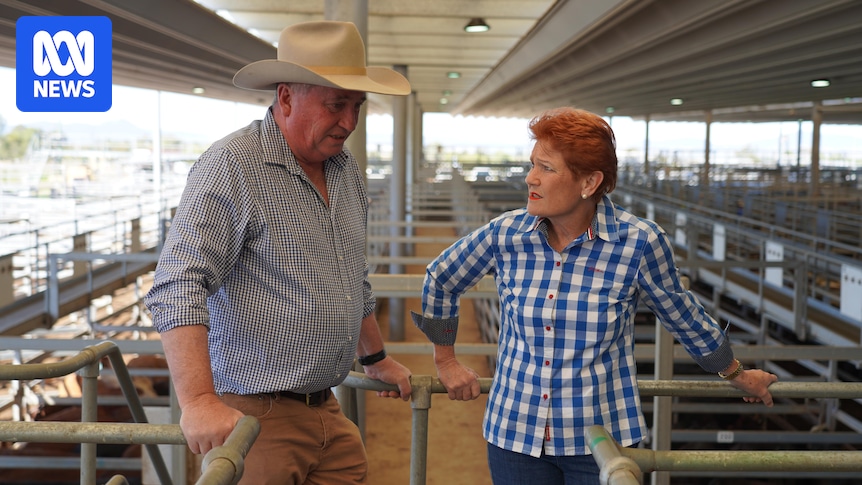
Former Deputy Prime Minister Barnaby Joyce has officially joined One Nation, ending weeks of speculation about his departure from the Nationals. The announcement was made during a joint appearance with One Nation leader Pauline Hanson on Tamworth community radio, where both leaders confirmed the political shift.
Joyce, who once led the Nationals, announced his resignation from the party during the final sitting week of the year. “There will be some hurt in this decision, and I understand that,” Joyce stated. “But working with people such as Pauline, I think I have a fellow traveller, and I have great respect for the work Pauline has done.”
Political Implications of Joyce’s Move
Joyce’s defection to One Nation marks a significant shift in the Australian political landscape, giving the party its first lower house seat since 1998. This development could potentially alter the dynamics within the opposition, as One Nation has gained traction in recent polls at the expense of the Coalition.
One Nation leader Pauline Hanson expressed her emotions regarding Joyce’s decision. “I am pleased he’s chosen One Nation, and I welcome his experience, his advice, and his determination to get a fair go for farmers and regional Australia,” Hanson said. “Mr. Joyce strengthens One Nation’s position in parliament just as many Australians are strengthening our position in the polls.”
Joyce’s Motivations and Criticisms
In a statement, Joyce articulated his reasons for leaving the Nationals, citing a lack of alignment with the party’s current direction. “Australia has handed away rights we should have kept and taken up obligations we should have left, at a price we cannot pay,” he remarked. Joyce criticized the country’s energy policies and immigration stance, arguing that these issues have hindered Australians’ ability to secure housing and maintain cultural identity.
“A nation can have multiple faiths, race, and color but not multiple cultures,” Joyce stated, highlighting his concerns over cultural integration.
His departure from the Nationals was also fueled by disagreements with party leader David Littleproud, particularly over the opposition’s now-abandoned commitment to net zero emissions by 2050. Despite the policy reversal, Joyce chose not to return to the party room, ultimately leading to his resignation.
Reactions from the Nationals
Nationals leader David Littleproud expressed disappointment over Joyce’s decision. “It is disappointing for the people of New England and disappointing for the loyal National Party members who worked day and night volunteering to support him,” Littleproud said. He emphasized the party’s past support for Joyce during challenging times and criticized his move to what he described as a “party of protest.”
Littleproud’s remarks underscore the potential impact of Joyce’s defection on the Nationals’ voter base, as concerns grow over a possible shift of support to One Nation.
Future Prospects for Joyce and One Nation
While Joyce will continue to serve as the member for New England for the remainder of this term, he has announced plans to run on One Nation’s Senate ticket for New South Wales in the next federal election. This move could pose a challenge to current Liberal senators Maria Kovacic and Dave Sharma, depending on the electoral outcomes and One Nation’s ability to secure enough votes to claim a seat from the opposition.
The political landscape in Australia is poised for further shifts as Joyce’s defection may encourage other politicians to reconsider their affiliations. Meanwhile, One Nation’s growing influence signals a potential realignment of voter priorities, particularly on issues like immigration and energy policy.
As the political scene evolves, both the Coalition and One Nation will need to navigate these changes carefully, balancing policy commitments with the shifting sentiments of the Australian electorate.