




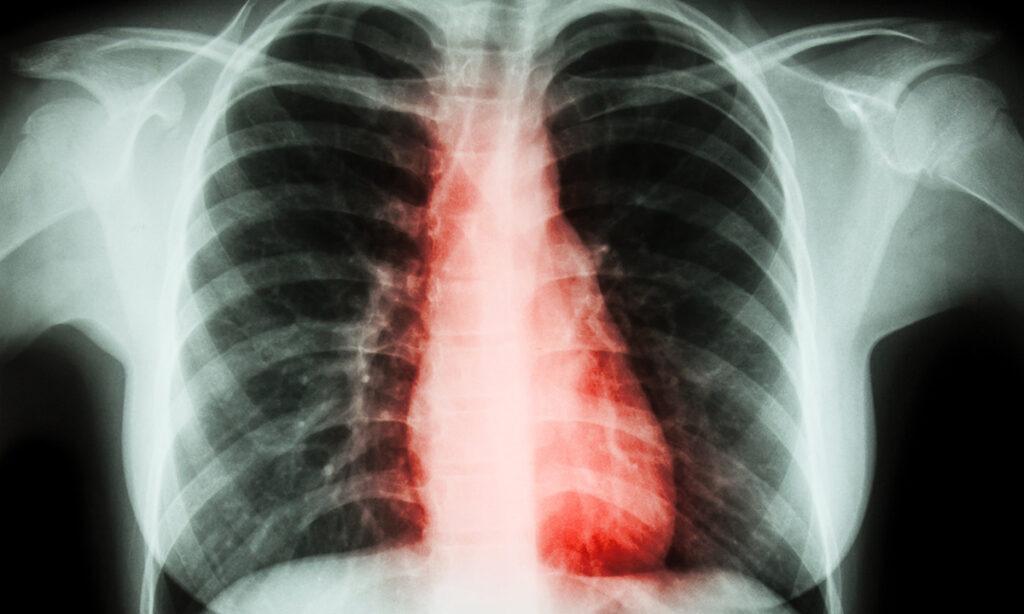
Rheumatic heart disease (RHD) and its precursor, acute rheumatic fever (ARF), remain stark indicators of health inequity in Australia. From 2017 to 2021, a comprehensive study in Queensland has highlighted the disproportionate impact of these conditions on Indigenous populations, revealing a critical need for targeted health interventions.
Nationally, Indigenous Australians under 55 are over 60 times more likely to suffer from ARF or RHD compared to their non-Indigenous counterparts. This alarming statistic underscores the systemic health disparities faced by Aboriginal and Torres Strait Islander communities. In response, the National Aboriginal Community Controlled Health Organisation has been empowered to spearhead community-focused RHD elimination efforts, emphasizing Indigenous leadership and self-determination.
Queensland’s Unique Challenges
Queensland, identified as a high-burden region for RHD, established its RHD Register in 2009. However, the state faced significant scrutiny following a Coroner’s inquest into the Doomadgee cluster, where three young Indigenous women succumbed to RHD complications between 2019 and 2020. These tragedies have catalyzed coordinated prevention and control initiatives across the state.
Understanding the regional epidemiology of ARF and RHD in Queensland is vital for crafting effective, place-based strategies. Yet, accurate estimation of disease burden remains challenging due to diagnostic and reporting inconsistencies. The Queensland End RHD (QERHD) project, leveraging linked administrative data, aims to provide a clearer picture of these conditions from 2017 to 2021.
Key Findings from the QERHD Project
The QERHD project offers a detailed analysis of ARF and RHD incidence and prevalence across Queensland, stratified by health service regions and demographics. The study reveals that Indigenous Queenslanders bear a disproportionate burden, with ARF episodes peaking among children aged 5–14 years. A staggering 83% of ARF episodes occurred in Indigenous individuals, highlighting the urgent need for targeted interventions.
For RHD, nearly half of the cases involved Indigenous people, with prevalence peaking at ages 15–24. The study also found that a significant portion of RHD cases in non-Indigenous populations were among immigrants from low-income countries, reflecting broader socio-economic health disparities.
Statistical Insights
Indigenous Queenslanders under 55 are 22.6 times more likely to have a history of ARF or RHD compared to non-Indigenous people.
The prevalence of ARF or RHD among Indigenous Queenslanders younger than 55 years is 1388 per 100,000, a sharp increase from previous estimates.
These figures illustrate the severe impact of ARF and RHD on Indigenous communities, necessitating sustained investment in prevention and management strategies.
Implications and Future Directions
The findings from the QERHD project highlight the critical need for continued investment in strategies to prevent childhood Streptococcus pyogenes infections, which are the root cause of ARF and RHD. Innovative approaches, such as environmental interventions and vaccine development, are being explored to curb the disease’s impact.
The Queensland First Nations Strategy 2021–2024 focuses on expanding local capacity for ARF and RHD activities, emphasizing Indigenous leadership in health promotion and community development. Early indications suggest a promising decline in ARF and RHD incidence in some health services since the strategy’s implementation.
Ultimately, the study underscores the importance of tailored, place-based programs to address the unique demographic and epidemiological challenges in Queensland. Enhanced clinical awareness and reporting are crucial, particularly among non-Indigenous populations who are often from immigrant, urban families.
Conclusion
The QERHD project’s findings provide a crucial baseline for evaluating ongoing efforts to combat ARF and RHD in Queensland. As the state moves forward, timely access to disaggregated data will be essential for regional health services to implement and assess their ARF and RHD control programs effectively.
The Australian Institute of Health and Welfare’s new National Health Data Hub, augmented by linked RHD Register data, holds the potential to offer regular insights for jurisdictional planning and monitoring, ensuring that Queensland’s health strategies are both informed and impactful.