



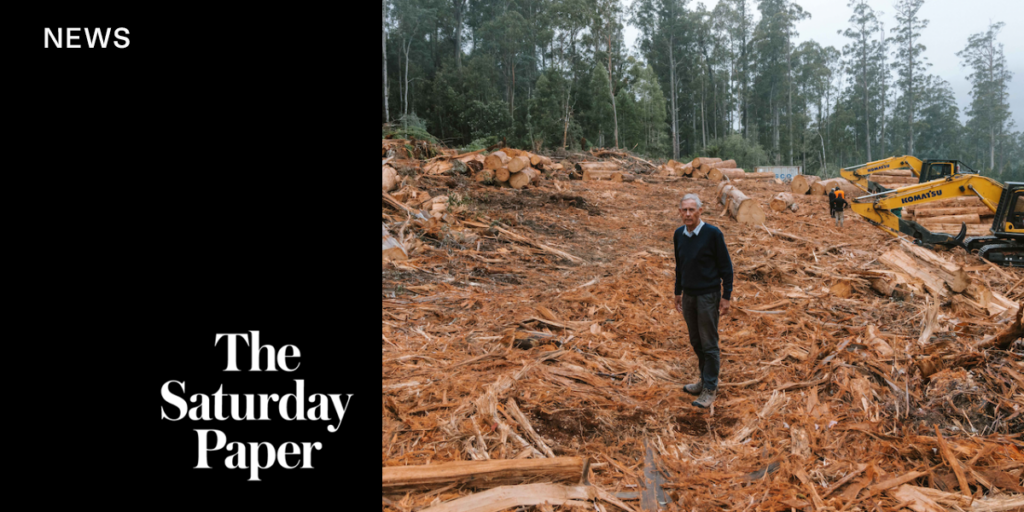
The ongoing environmental degradation in Australia seems set to continue unabated, as recent amendments to the Environment Protection and Biodiversity Conservation (EPBC) Act 1999 have sparked more political maneuvering than genuine concern for nature. The amendments, introduced by Prime Minister Anthony Albanese, have been criticized for prioritizing legislative passage over substantive environmental protection.
The media’s focus on the political dynamics, portraying the Greens as winners and the Coalition as losers, overshadowed critical analysis of the new laws’ effectiveness in halting the decline of Australia’s environmental health. Albanese’s assertion that the bill would balance environmental protection with economic growth has been met with skepticism by environmentalists and experts alike.
Historical Context and Legislative Changes
The reforms mark a significant shift in environmental policy, reminiscent of the pre-1970s era when federal oversight was minimal. In 1972, under Prime Minister Gough Whitlam, Australia saw its first minister for the environment, Moss Cass, who took significant steps to establish federal environmental protections. These included the Environment Protection (Impact of Proposals) Act 1974 and Australia’s commitment to the World Heritage Convention, which led to federal interventions to protect iconic natural sites.
However, the EPBC Act introduced by John Howard in 1999 diluted these protections, allowing ministers discretionary powers rather than mandatory obligations to protect nature. The latest amendments further devolve federal responsibilities to state governments, a move favored by corporate interests seeking less stringent oversight.
Controversial Provisions and Political Compromises
The Albanese government’s decision to hand federal powers to state governments has been criticized as a capitulation to corporate interests. Environmentalists argue that this will lead to increased environmental degradation, as states may lack the resources or political will to enforce stringent protections. A recent poll by the Wilderness Society in Tasmania showed only 12% support for native forest logging, yet the amendments failed to address this issue effectively.
While the Greens managed to secure some concessions, such as reducing the exemption period for loggers from three years to 18 months, the legislation still allows for continued logging and burning of native forests. The amendments also ended the exemption for clearing regrowth woodlands under 50 years old, a move applauded by conservationists, but the overall impact remains limited.
Expert Opinions and Future Implications
Environmental experts have expressed concerns about the long-term implications of the reforms. According to a report by the United Kingdom’s Institute and Faculty of Actuaries and the University of Exeter, titled “Planetary Solvency – finding our balance with nature,” the risk of catastrophic environmental impacts is high unless immediate policy action is taken.
“The risk of Planetary Insolvency looms unless we act decisively. Without immediate policy action to change course, catastrophic impacts are eminently plausible, which could threaten future prosperity.”
The report warns of potential tipping points, such as polar ice cap melting and Amazonian forest carbon uptake inversion, which could lead to a 25% collapse in global productivity and the death of two billion people by 2050. These dire predictions highlight the inadequacy of current reforms in addressing the urgent challenges posed by climate change.
Corporate Interests and Environmental Priorities
Critics argue that the Albanese government’s reforms prioritize economic interests over environmental protection. The decision to approve Woodside Energy’s gas exports until 2070 and consider new coal mine projects underscores this concern. The National Biodiversity Strategy and Action Plan envisions halting and reversing biodiversity loss by 2030, but current policies fall short of achieving this goal.
As environmental degradation continues, the Albanese government’s approach to balancing economic growth with environmental protection remains under scrutiny. The reforms have sparked widespread debate about the future of Australia’s natural heritage and the role of government in safeguarding it for future generations.
With global warming already costing the Australian economy billions annually, the need for decisive action is more urgent than ever. The path forward requires balancing economic interests with genuine commitments to environmental sustainability, a challenge that will define Australia’s environmental policy for years to come.