




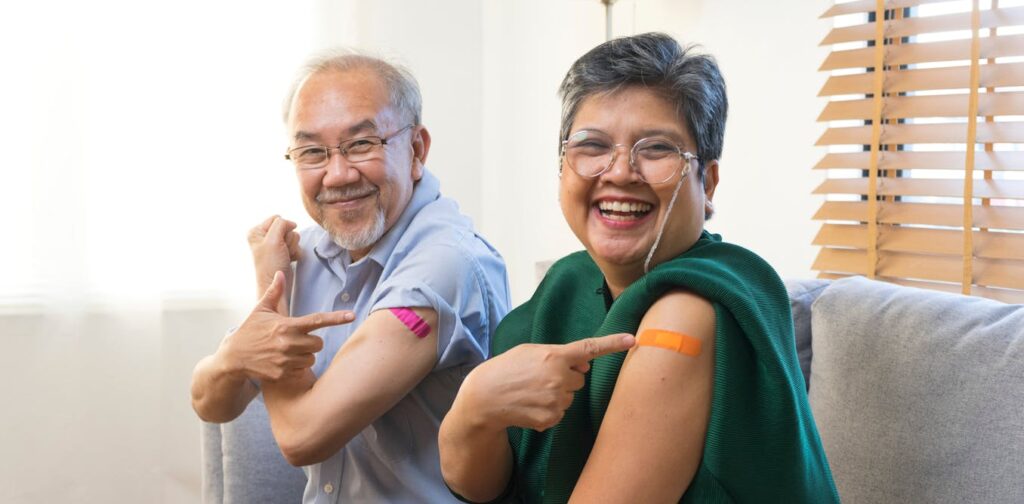
The flu season has arrived earlier than expected this year, raising concerns about its potential severity. With many already vaccinated or considering getting their shots, questions about the flu vaccine’s effectiveness and safety are more pertinent than ever. Here, we address some of the most common inquiries surrounding the flu jab and its interaction with COVID-19 boosters.
Access to the Flu Vaccine
In the UK, the flu vaccine is prioritized for individuals at higher risk of severe illness. This includes those over 65, people with weakened immune systems, and health and social care workers. Additionally, individuals who might transmit the virus to vulnerable populations are also eligible for a free vaccine. For those not on this list, the vaccine is available for purchase at certain pharmacies.
Eligibility and Safety Concerns
Who Should Avoid the Flu Vaccine?
The primary contraindication for the flu vaccine is a life-threatening allergy to its ingredients. Some vaccines are produced using hens’ eggs, so individuals with egg allergies should inform their healthcare provider to receive a suitable alternative.
Understanding Vaccine Effectiveness
After receiving the flu vaccine, it takes approximately two weeks for the body to develop peak immunity. This delay is due to the time required for the immune system to produce protective antibodies against the influenza viruses included in the vaccine.
Timing and Unfortunate Coincidences
If you contract the flu shortly after vaccination, it is likely due to prior exposure to the virus before the vaccine had time to take effect. This situation is a matter of timing rather than vaccine failure. While not dangerous, receiving the vaccine while already infected might exacerbate symptoms. It’s advisable to wait until recovery if you are unwell with a fever.
Vaccine Reactions and COVID-19 Boosters
Reactions to Different Flu Strains
Flu vaccines do not contain live viruses capable of causing illness. They function by presenting the immune system with a “picture” of the virus, allowing it to prepare defenses. It’s normal to feel slightly unwell for 24 hours post-vaccination, but this is not indicative of a more severe flu strain.
Simultaneous COVID-19 and Flu Vaccinations
Receiving COVID-19 and flu vaccines concurrently is safe and does not diminish their effectiveness. Side effects, if any, are typically mild, such as a sore arm or slight fever, and usually resolve within a day. There is no substantial evidence to suggest increased risk of side effects when both vaccines are administered together.
Optimal Timing and Protection Duration
The flu vaccine provides protection for about three months. The ideal time for vaccination is at the onset of winter, ensuring coverage through the peak flu season. However, getting vaccinated too early might result in waning immunity before winter ends. October or November is generally recommended for the flu jab.
Post-Flu Vaccination
Even if you’ve had the flu this season, vaccination is still beneficial. The flu jab is trivalent, protecting against three different strains, so it can guard against strains you haven’t encountered.
Special Considerations for Vulnerable Populations
Individuals with weakened immune systems are at greater risk of severe flu. While their immune response might be less robust, most still gain protection from the vaccine. Older adults, in particular, may receive a higher dose to enhance their immune response. To maximize safety, it’s crucial to avoid exposure to the flu and encourage household members and caregivers to be vaccinated.
Why Vaccination Matters
While the flu vaccine doesn’t guarantee immunity, it significantly reduces the risk of severe illness and transmission to vulnerable individuals. The global effort to predict flu strains, coordinated by the World Health Organization, involves monitoring the virus in the southern hemisphere to anticipate its evolution in the northern hemisphere.
“The flu virus constantly develops changes in proteins on its surface – the parts that are recognized by our immune systems.”
This predictive system, although not infallible, generally provides effective protection. Even in years when the vaccine isn’t a perfect match, it still offers substantial protection against severe disease.
Ultimately, getting vaccinated is a crucial step in safeguarding personal health and protecting those around you from the flu’s potentially severe impacts.