



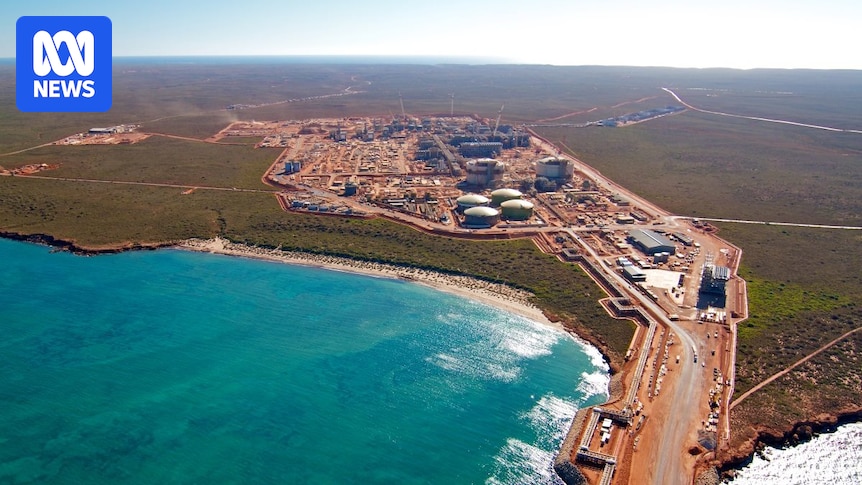
One of Australia’s largest gas projects has received a significant financial boost, with Chevron announcing a $3 billion investment to advance the development of a major gas field off Western Australia’s north-west coast. This move is set to enhance the Gorgon gas project by connecting the Geryon and Eurytion gas fields from the Greater Gorgon Area to Chevron’s existing infrastructure on Barrow Island, approximately 50 kilometers off the Pilbara coast.
The investment will involve the construction of additional infrastructure, including the drilling of six new oil wells 100 kilometers off Barrow Island. This development is expected to create 800 jobs during its construction, installation, and commissioning phases. The backfill fields are designed to maintain current production levels, with a domestic gas output of 300 terajoules per day.
Maintaining Western Australia’s Gas Dominance
Data released by the state government indicates that Western Australia produced nearly 12 percent of the global liquid natural gas (LNG) supply in 2024. This development underscores the region’s continued prominence in the global energy market.
UWA Business School Professor Allan Trench expressed optimism about the project, though he described the investment as incremental.
“$3 billion, regardless of the currency, it’s very much just incremental investment for the oil and gas field,” Professor Trench said. “The normal label it’s given is as a transition fuel, so it’s the least of evils on the transition to clean energy.”
Meanwhile, WA Nationals leader Shane Love has welcomed the investment, emphasizing the importance of gas in achieving net zero targets.
“I think it’s pretty clear that without gas into the medium term we’re not going to be able to meet our net zero targets,” Mr. Love said. “We need to be able to make those changes in a cost-effective way to actually bring down greenhouse gas emissions, rather than trying to strangle industries and kill off jobs.”
Ongoing Environmental Concerns
However, the decision has not been without its detractors. Environmental groups have voiced concerns over the potential impact on the environment, particularly given Barrow Island’s history as a Class A nature reserve. Australian Conservation Foundation climate campaigner Piper Rollins highlighted the environmental risks associated with the project.
“Barrow Island, where Gorgon is, actually used to be a Class A nature reserve. There’s a number of direct environmental impacts,” Ms. Rollins said. “Gorgon is a gas export project, that gas contributes a whole heap of climate pollution that makes the bushfires and the floods and the heat waves that folks are experiencing right across Australia much worse.”
Adding to the criticism, Australia Institute principal advisor Mark Ogge challenged the notion of gas as a transition fuel.
“The idea that somehow gas is good for tackling climate change is entirely untrue and just a very disingenuous argument,” he said. “I’m sure Chevron and its joint venture partners Exxon and the like will make a huge amount of money out of this if it goes ahead, but it’s important to realise that Australians will get very little.”
Implications and Future Outlook
The announcement comes as global energy markets face increasing pressure to balance economic growth with environmental sustainability. Chevron’s investment represents a significant commitment to maintaining Australia’s role in the global LNG market, yet it also highlights the ongoing debate over fossil fuels’ role in a sustainable energy future.
As the world transitions toward cleaner energy sources, the role of natural gas remains contentious. Proponents argue it is a necessary bridge fuel, while critics warn of its environmental consequences. The Gorgon gas project will likely continue to be a focal point in discussions about Australia’s energy policy and its impact on both the economy and the environment.
Looking ahead, the success of this investment will be closely watched by industry leaders, policymakers, and environmental advocates alike. The project’s progress and its broader implications for Western Australia’s economy and environmental health will be key factors in shaping the region’s energy landscape in the coming years.