



The International Olympic Committee (IOC) is currently evaluating universal rules for transgender women athletes at the Olympic Games. This comes amid reports suggesting that the governing body is moving towards banning transgender women from competing in the female category by the time the Los Angeles 2028 Olympics take place.
Under the leadership of new president Kirsty Coventry, the IOC reversed its previous stance in June, opting to establish eligibility criteria for transgender athletes at the Olympics. Previously, the responsibility was delegated to individual sports federations, resulting in a fragmented and inconsistent approach.
IOC’s Strategic Shift
In a significant move, Coventry initiated the ‘Protection of the Female Category’ working group in September. This group comprises experts and representatives from international federations tasked with exploring how best to safeguard the female category in sports.
An IOC spokesperson revealed on Monday that the director of health, medicine, and science provided an update to IOC members during recent commission meetings.
“The working group is continuing its discussions on this topic and no decisions have been taken yet. Further information will be provided in due course,”
the spokesperson stated.
Reports from multiple outlets, including the BBC, indicate that a ban could be implemented as early as 2026. Before Coventry’s decisive action in June, the IOC had long refrained from imposing any universal rule on transgender participation, advising international federations in 2021 to develop their own guidelines.
Transgender Participation in the Olympics
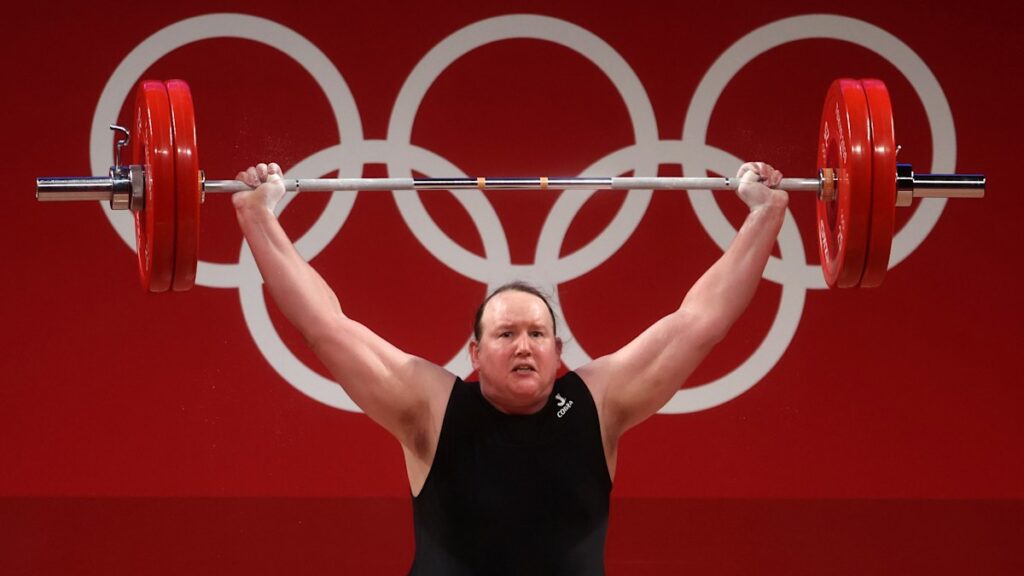
Under the current rules, transgender athletes are eligible to participate in the Olympics. Notably, New Zealand’s Laurel Hubbard made history as the first openly transgender athlete to compete in a gender category different from that assigned at birth during the Tokyo Olympics in 2021.
While some international federations have established rules, others have yet to reach a consensus. For instance, World Rugby has prohibited transgender athletes from competing at the elite level, and World Athletics restricts participation for those who have undergone male puberty. Conversely, World Aquatics permits athletes who transitioned before age 12 to compete, but not those who transitioned later.
Political and Global Sports Reactions
In the United States, former President Donald Trump enacted the ‘Keeping Men Out of Women’s Sports’ order in February, which bans transgender athletes from competing in female sports categories at schools. Civil society groups have criticized this order, arguing it infringes on the rights of transgender individuals.
Following Trump’s decision, the United States Olympic and Paralympic Committee adjusted its rules to align with the order, barring transgender athletes from participating in women’s sports. Several sports federations have also initiated studies or revised rules to exclude individuals who have experienced male puberty from competing in the female category at the elite level.
In contrast, the situation in football remains unclear. FIFA has yet to announce an updated policy, despite some associations, such as the English FA, independently banning transgender players from women’s competitions. Meanwhile, boxing and athletics have introduced mandatory tests for female category athletes to detect the SRY gene, which is linked to male characteristics in mammals.
Implications and Future Considerations
The ongoing deliberations by the IOC and various sports federations underscore the complexity and sensitivity of the issue. The potential ban on transgender women athletes at the Olympics raises significant questions about inclusion, fairness, and the future of competitive sports.
As the IOC continues to navigate these challenging waters, the sports world watches closely. The decisions made in the coming years will not only impact the Los Angeles 2028 Olympics but could also set precedents for how sports organizations worldwide address gender and eligibility in athletics.
The IOC’s forthcoming decisions and the evolving policies of individual sports federations will be pivotal in shaping the landscape of international sports. As the dialogue progresses, stakeholders from athletes to policymakers will need to balance the principles of inclusivity and competitive fairness.