



On a rainy October afternoon in rural Lancashire, I found myself sipping pints of Moretti in a local pub with Terry Ball, London’s leading snail farmer, and a convicted member of the Naples mafia. The conversation, surprisingly, revolved around the peculiar topic of mollusc breeding and tax avoidance.
Terry Ball, a 79-year-old former shoe salesman, has a colorful history of fortunes made and lost. Inspired by former Conservative minister Michael Gove, Ball devised an audacious scheme to exploit tax loopholes using snails. His method involves setting up shell companies to breed snails in vacant office blocks, claiming these properties as farms, thus exempting them from business rates.
The Method Behind the Madness
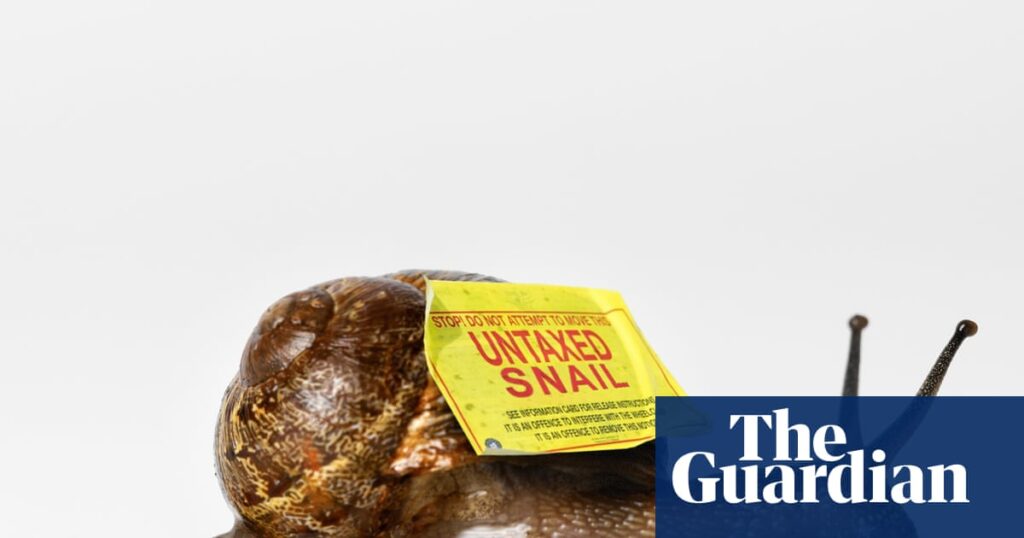
Ball’s approach is as unconventional as it is bold. By breeding snails, which are legally classified as molluscs, in empty office spaces, he circumvents the substantial business rates that typically apply to such properties. “They’re sexy things,” Ball chuckles, describing the rapid multiplication of snails when left alone. His operation involves multiple locations, including four significant snail farms in London.
Accompanying Ball is “Joseph,” a snail farm employee, who shares his own intriguing backstory. Giuseppe, as he’s formally known, hails from Naples and has a history intertwined with the Italian mafia. He serves as a testament to Ball’s connections and past dealings with the underworld.
The Legal Loophole
The crux of Ball’s scheme lies in a legal loophole dating back to the late 1980s. A government minister declared that businesses breeding snails for food consumption could be classified as fish farms, granting them a potential exemption from business rates. Ball seized upon this, setting up snail farms in commercial properties to exploit the tax exemption.
The snail farms operate under various company names, all registered by Ball. These shell companies are designed to avoid filing accounts or paying taxes. When one company is liquidated for unpaid debts, Ball simply establishes a new one, perpetuating the cycle.
From Shoes to Snails: A Life of Evasion
Ball’s journey from a shoe salesman to a tax-dodging snail farmer is as remarkable as it is convoluted. Born into poverty in postwar Blackburn, he entered the shoe business, eventually dealing with the Neapolitan mafia to circumvent European customs. His dealings with the Camorra, the dominant mafia organization in Naples, spanned decades.
Ball’s radicalization against business rates began in the late 2000s when a friend’s business was crippled by taxes on an unsellable empty building. Inspired by Michael Gove’s warnings about the impact of such taxes, Ball vowed to retaliate against the tax authorities.
The Snail Farm Empire
In 2018, Ball launched his snail farm businesses in empty commercial premises, offering landlords a way to reduce their tax burdens. Despite legal challenges from councils questioning the agricultural exemptions, Ball’s operations continue to thrive.
His daughter plays a significant role in the business, which has faced raids and legal battles. Ball’s scheme relies on strict adherence to guidelines, ensuring properties are solely used as snail farms to maintain the tax exemption.
The Mafia Connection
Ball’s ties to the mafia are not merely anecdotal. He openly admits to offering refuge to Camorra members, including Gennaro Panzuto, a former mafia kingpin turned actor. Ball’s relationship with the mafia was mutually beneficial, providing favors and protection.
Despite his colorful past, Ball insists his motivations are not financial but rather a defiance against the authorities. “I just do it for devilment,” he says, relishing the challenge of outsmarting tax collectors.
The Future of Snail Farming
As Ball approaches his 80th birthday, he remains committed to his tax-avoidance ventures. His latest scheme involves pop-up charity shops exploiting Charity Commission rules. Ball’s operations continue to draw attention from authorities, but he remains unfazed.
Westminster council, among others, is actively pursuing Ball’s companies for unpaid taxes. The council leader, Adam Hug, has called for stronger measures to curb such tax avoidance schemes, highlighting the need for legislative reform.
As I left Lancashire, Ball drove me to the station, reflecting on his legacy and the battles he’s fought. For him, the thrill of outwitting the system is a source of joy and purpose in his later years.
This article originally appeared in London Centric, a new investigative news outlet reporting on the people and money that make London.