




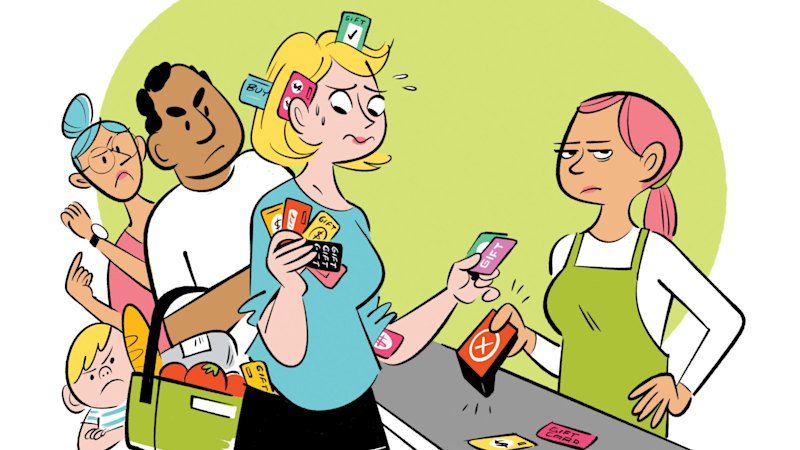
In a surprising revelation, Australians are sitting on a staggering $1.25 billion in unused gift cards, according to recent findings. These forgotten vouchers, often tucked away in drawers, represent a hidden financial resource that many have overlooked. The issue has become a significant concern as these cards, often seen as convenient gifts, transform into expired liabilities.
The discovery of this massive sum comes amidst growing frustration among consumers who find themselves unable to redeem their gift cards due to various issues, including expiration, unreadable codes, or simply forgetting about them. This predicament has led to a broader discussion about the effectiveness and practicality of gift cards as a gifting option.
The Allure and Pitfalls of Gift Cards
Gift cards have long been marketed as the perfect solution for the time-poor or inspiration-lacking shopper. They offer a wide range of redemption options, from major supermarkets to niche retailers. However, the convenience for the giver often turns into a headache for the recipient. Once the initial excitement fades, these cards are frequently set aside and forgotten.
The problems escalate when recipients attempt to use their cards. Many find themselves struggling with unreadable codes or expired balances. The process of redeeming a gift card can become a frustrating ordeal, compounded by the fact that many recipients cannot produce proof of purchase, rendering the card useless if issues arise.
By the Numbers: Australia’s Unclaimed Vouchers
“A survey of 1,010 Australians found the average woman was holding $186 worth of unclaimed gift cards, while men had $175 bouncing around in their wallets. With one in three people having at least one unused card, across the country there’s apparently about $1.25 billion in unused vouchers.”
Research conducted by comparison website Finder highlights the scale of the problem. The survey revealed that a significant portion of Australians possess unused gift cards, with women slightly more likely than men to let their cards expire. Additionally, about 5% of respondents admitted to losing their cards entirely.
Expert Opinions and Potential Solutions
Experts suggest several measures to mitigate the issue of forgotten gift cards. Financial advisors recommend setting reminders for card expiration dates and regularly checking balances. Retailers, on the other hand, are encouraged to improve the clarity of card information and consider extending expiration dates to enhance customer satisfaction.
Some consumer advocates argue for regulatory changes, proposing that gift cards should have no expiration date, similar to policies in certain U.S. states. This would ensure that consumers can use their cards at their convenience, reducing the likelihood of financial loss.
The Way Forward: Rethinking Gift Card Strategies
The current situation presents an opportunity for both consumers and retailers to rethink their approach to gift cards. For consumers, maintaining an organized system to track gift card balances and expiration dates can prevent financial waste. For retailers, enhancing the usability and transparency of gift cards can improve customer relations and loyalty.
As the conversation around unused gift cards continues, it is clear that both individual and systemic changes are necessary to address this hidden financial issue. Whether through personal vigilance or regulatory adjustments, the goal is to ensure that gift cards fulfill their intended purpose as convenient and valuable gifts, rather than becoming a source of frustration.
In conclusion, the $1.25 billion in forgotten gift cards represents more than just unclaimed money; it highlights the need for a cultural shift in how gift cards are perceived and managed. As Australia grapples with this hidden torment, the hope is that increased awareness and proactive measures will turn these dormant assets into active financial resources.