



In a significant move towards addressing the evolving challenges of artificial intelligence, the Australian government has announced the establishment of a new Artificial Intelligence Safety Institute. Set to be launched in the coming year, the institute will focus on assessing the capabilities and risks associated with AI technologies. Industry Minister Tim Ayres confirmed the initiative, emphasizing its role as a cornerstone of the government’s strategy to manage AI’s potential impacts.
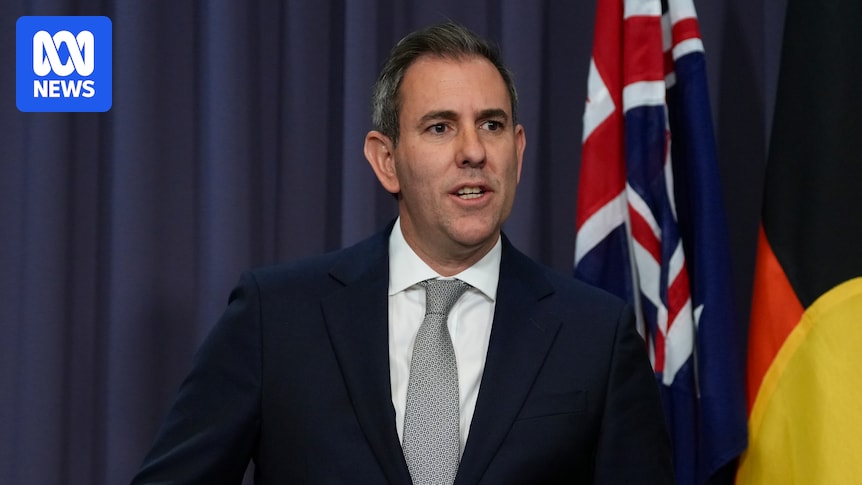
The announcement comes as the government faces scrutiny over its fiscal policies, with Treasurer Jim Chalmers denying allegations that he directed public service departments to make cuts. Chalmers defended the government’s request for departments to identify lower-priority spending, arguing that it is a standard procedure conducted before every budget.
AI Safety Institute: A Global Initiative
The AI Safety Institute will be housed within the Industry Department, according to Minister Ayres. He highlighted the importance of international collaboration, noting that Australia had committed to the initiative alongside other countries in Seoul in 2024. “It’s crucial that we establish a network of these capabilities worldwide with like-minded economies to ensure we harness the best research and awareness of AI’s possibilities,” Ayres stated.
As the government develops guidelines for AI, Ayres assured that a comprehensive plan would be delivered by the end of the year. The focus, however, remains on the establishment of the AI Safety Institute, which is seen as a proactive step in navigating the complex landscape of AI advancements.
Political Discord Over Budget Cuts
Meanwhile, Treasurer Jim Chalmers has been under fire for allegedly instructing federal departments to find budget savings. Chalmers refuted claims of enforced cuts, clarifying that the government is merely seeking to reprioritize spending. “We are not asking departments to cut their staff or budgets by 5 percent,” he told ABC’s Radio National Breakfast. Instead, the focus is on identifying lower-priority expenditures.
Opposition figures, including Sussan Ley, have criticized the government’s approach, suggesting it contradicts promises made during the election. Ley questioned whether the directive indicates a retreat from Labor’s commitments or a response to budget mismanagement. “Either they lied to you at the election or they really, really have mismanaged the budget,” she remarked.
Energy Prices and Economic Management
In addition to budgetary concerns, Chalmers addressed rising energy prices, attributing the pressure to Australia’s aging coal-fired power infrastructure. He advocated for renewable energy as the most cost-effective replacement. “The cheapest way to replace that increasingly unreliable part of the system is with renewable energy,” Chalmers explained, emphasizing the government’s commitment to cleaner energy solutions.
Chalmers also dismissed comparisons to the Coalition’s previous budget strategies, stating that the current government’s approach focuses on reallocating resources rather than cutting jobs. “What the Coalition was proposing was to cut tens of thousands of jobs. What we are proposing is ways to reprioritize spending,” he said.
Opposition’s Critique and Future Plans
Sussan Ley, the Opposition Leader, has been vocal in her criticism of the government’s fiscal strategies. She accused Labor of failing to uphold its election promises and expressed concerns over the potential impact on public service jobs. Ley’s remarks come amid her broader political agenda, which includes addressing the cost of living and energy bills, particularly for women.
In a related development, Shadow Treasurer Ted O’Brien is set to address the National Press Club, where he will outline the Coalition’s economic vision. O’Brien plans to highlight the issue of bracket creep and its implications for young workers, framing it as an “assault” on their financial futures. He argues that the federal budget’s reliance on bracket creep is unsustainable and calls for tax cuts as a solution.
Internal Coalition Dynamics
Adding to the political theater, Nationals senator Matt Canavan has urged Barnaby Joyce to remain within the party amid speculation of his potential defection to One Nation. Canavan warned Joyce of the consequences, stating, “I want Barnaby to stay in the team. We’ve seen this week what a circus act One Nation is.”
Joyce’s decision remains pending, with expectations of an announcement by the end of the week. The situation underscores the ongoing tensions and strategic maneuvering within Australia’s political landscape.
Conclusion: Navigating Complex Challenges
As Australia prepares to launch its AI Safety Institute, the government faces multifaceted challenges, from managing technological advancements to addressing fiscal responsibilities. The political discourse surrounding budget strategies and energy policies reflects broader debates about economic management and future priorities. With both government and opposition outlining their visions, the coming months will be pivotal in shaping Australia’s policy direction.