




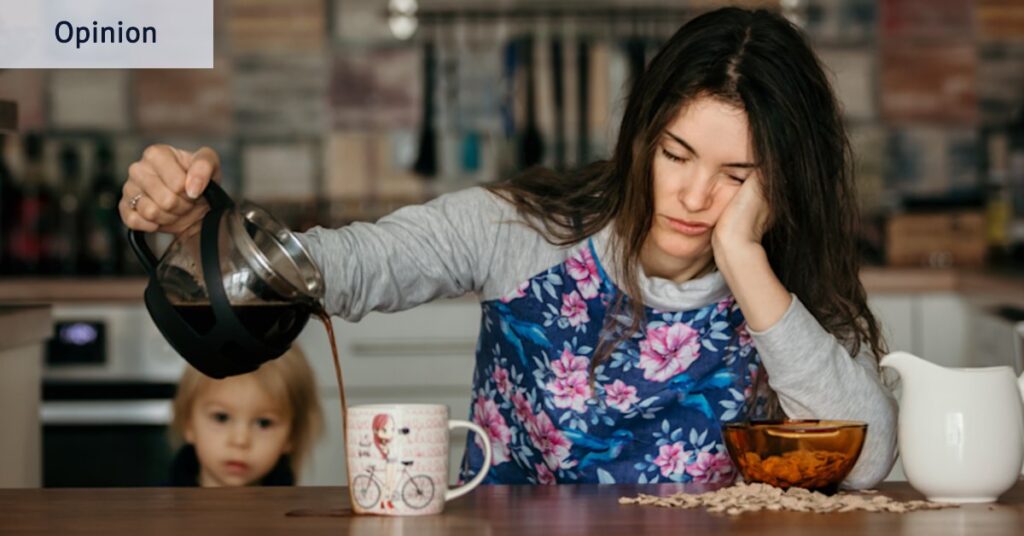
I was never convinced I wanted children. I was also never convinced I didn’t want children. I considered myself so firmly on the fence that even when we were trying to conceive, I didn’t know how I felt with each failed pregnancy test. Spoiler alert – I did have a child. My son turns two soon, and while he has changed my life in incredibly positive ways, he has also irrevocably altered it in challenging ways too. In the context of cultural wars between the “child-free” and parents, I think parents should be more honest about this.
It’s no secret that the will to have children is declining in younger people. In my own friendship circles, we’re almost an even split between those with kids and those who have no intention of ever being parents – a choice that is reflected in the declining birth rate in Australia, which hit a record low in 2024.
1.48 births per woman, down from 1.5 in 2023 and 1.8 in 2014.
The Cultural Context of Parenthood Decisions
I have a core memory of being in my mid-20s and attending a book launch event for a collection of essays on motherhood. One speaker claimed she had been adamant she didn’t want children, but that after having her first child she recognized how naive and immature this stance was. “Have the kids,” she implored the young women in the audience. “You’ll regret not having them, and it’s a love like you’ve never known before.”
Aside from the fact this was a privileged take – many mothers struggle with their mental health, many women don’t get a choice in whether or not they can biologically conceive, and in this economy, many couples can’t afford to have kids – it also frustrated me to be told that I didn’t know how I should be feeling.
A Personal Journey
At that time in my life, I genuinely did not want a child. Fast-forward almost a decade, and I still wasn’t convinced, but I did know that I was in a stable relationship with someone I could happily co-parent with, and there was enough of me that did want a child to give it a go. But had I not gotten pregnant, I was equally OK with that.
Now that I have my son, it’s true that I love him intensely, and I am so grateful for every day I get to watch him learn and discover more about the world. But that other cliché that parents often employ doesn’t ring true to me – I can imagine a life without him, and it would have been a perfectly nice, fulfilling one.
Balancing Parenthood with Personal Fulfillment
Before becoming a mother, I had a full and satisfying life. As a mother, I have a full and satisfying life with way more constraints. I no longer have command over my time, my finances or my physical wellbeing (sleep feels like a distant memory). I have to prioritize my child at all times, and while I do so willingly and happily, I’d be lying if I said I didn’t sometimes think with longing about the freedom I once had.
Would I trade it? No. But would I tell women without children now that they’ll regret it if they don’t procreate? Also no, because it’s not true. I have no doubt that if I didn’t have a kid, my life would be full of meaning, fulfillment and joy. I can also say with clarity what I wouldn’t have: the unpredictable challenges, physical and emotional rollercoaster and the expense and complexity that kids bring.
The Broader Implications and Reflections
The reality, of course, is that every individual has a different experience of parenting or not parenting, all kids are different, and offering gratuitous advice to anyone on their life choices is generally an act of hubris.
I think back to the author on that panel sometimes, and I feel like her insistence in declaring to younger women who didn’t want children that they would regret it was at least partly driven by a desire to validate her own choices. Often, the content I see online from child-free advocates smacks of the same impulse.
The truth lies somewhere in the middle. We can never know whether the decisions we make now will feel right and be free from regret later, especially where children are concerned.
The choice we have is to accept our present, plan for our futures, and to offer empathy to others as they do the same.