



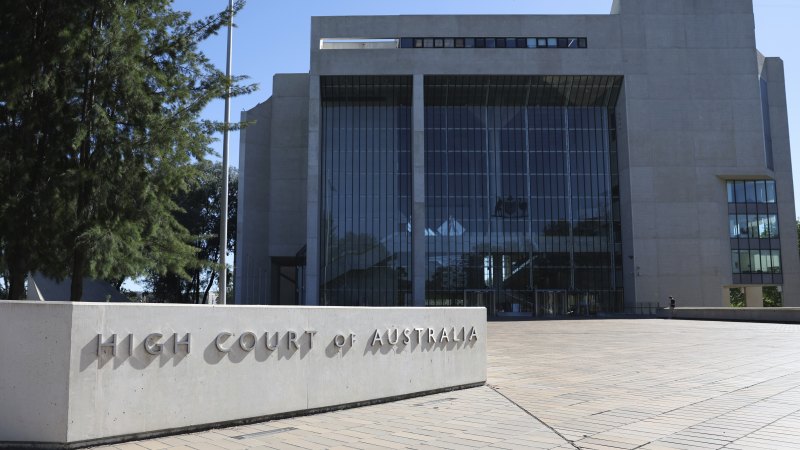
Victoria is set to implement new regulations on political fundraising, introducing caps on the amount of money major political parties can withdraw from their fundraising entities. This move comes ahead of a High Court challenge to the state’s donation laws, scheduled for introduction to parliament on Tuesday.
The proposed changes will restrict political parties to withdrawing a maximum of $500,000 from their nominated entities during an election period. In contrast, independent candidates will face a significantly lower cap of $50,000. Currently, major parties like Labor, the Liberal Party, and the National Party enjoy the ability to withdraw unlimited funds from their multi-million dollar fundraising bodies, known as “nominated entities.”
Background and Legal Context
The backdrop to these changes is a legal challenge spearheaded by former independent candidate Melissa Lowe and Paul Hopper, another independent who contested the Werribee by-election. The legal battle questions the fairness of the existing system, which was revealed to be discriminatory against newer political parties due to a pre-2020 deadline that blocked them from establishing similar financial structures.
The High Court case follows revelations that the Victorian government conceded in its defense that the pre-2020 deadline was “discriminatory” and “not justified.” However, the government maintains that its broader donations scheme is essential to prevent corruption and undue influence in elections.
Implications of the Proposed Changes
The proposed caps are part of a broader reform package that also includes reducing the early voting period from 12 days to 10. This adjustment is a response to a review of the 2022 state election, which found that the extended pre-poll period placed undue pressure on parties, candidates, and the Victorian Electoral Commission (VEC) to prepare materials in time.
Premier Jacinta Allan emphasized the importance of these reforms, stating, “Fair elections are the bedrock of democracy, and we are delivering these reforms to ensure Victorians can be confident in their electoral processes.”
Financial Dynamics and Historical Context
Since 2018, donation caps have restricted contributions from any individual or organization to $4,850 over four years, with exceptions for three major party-aligned entities: the Liberal Party’s Cormack Foundation, Labor’s Labor Services & Holdings, and the Nationals’ Pilliwinks. These entities have been able to donate uncapped amounts to their respective parties, leveraging decades of accumulated wealth.
Labor Services & Holdings reported $3.1 million in net assets last financial year and transferred $4.6 million to the ALP during the 2022 election. The Nationals’ Pilliwinks trust has generated $2.6 million in investment income since 2018, while the Liberal-aligned Cormack Foundation holds almost $90 million.
The new legislation proposes opening the nominated-entity model to more candidates, including minor parties, independent candidates, and sitting MPs, albeit with usage limits. Critics like Lowe and Hopper argue that the donation system entrenches an advantage for major parties and advocate for closing the loophole entirely.
Future Considerations and Reactions
If passed, the amendments will also adjust deadlines for registering political parties and candidates, as well as timelines for closing electoral rolls and sending postal voter ballot packs. These changes aim to streamline the electoral process and provide the VEC with more preparation time.
The government’s stance in the High Court underscores the delicate balance between ensuring fair competition and preventing undue influence in elections. While the proposed changes address some of the inequalities highlighted by the legal challenge, the debate over the fairness and efficacy of Victoria’s donation laws is likely to continue.
As the High Court challenge progresses, the outcome could have significant implications for the political landscape in Victoria, potentially reshaping how political campaigns are financed and conducted in the future.