
Honda Australia is contemplating an expansion of its vehicle lineup to include a large SUV and a ute, as the brand’s global portfolio becomes increasingly adaptable to right-hand-drive markets. However, these new additions are not expected to hit Australian showrooms for several years.
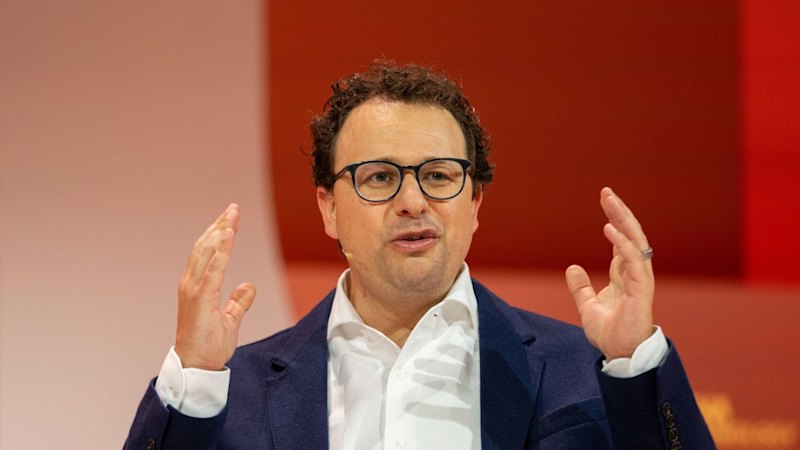
Speaking at the 2025 Tokyo Motor Show, Honda Australia President and CEO Jay Joseph highlighted a significant shift in how the Japanese automaker approaches model offerings in different markets. Joseph explained that the advent of electrification and modular vehicle construction has enabled a more global perspective on product portfolios.
“And electrification actually eases that a bit, because of the more modular construction of the software-defined vehicle era and the electrified era, we can actually look at our portfolios on a more global level, which does enable us to do some things that were a little tougher in the past,” Joseph said.
Current Lineup and Future Prospects
Currently, Honda Australia’s lineup consists of five models: the HR-V, ZR-V, Civic, CR-V, and Accord, with the Prelude and Super-One expected to join in 2026. In contrast, Honda’s North American portfolio boasts 11 models, including the Pilot, Passport, Ridgeline, and Odyssey.
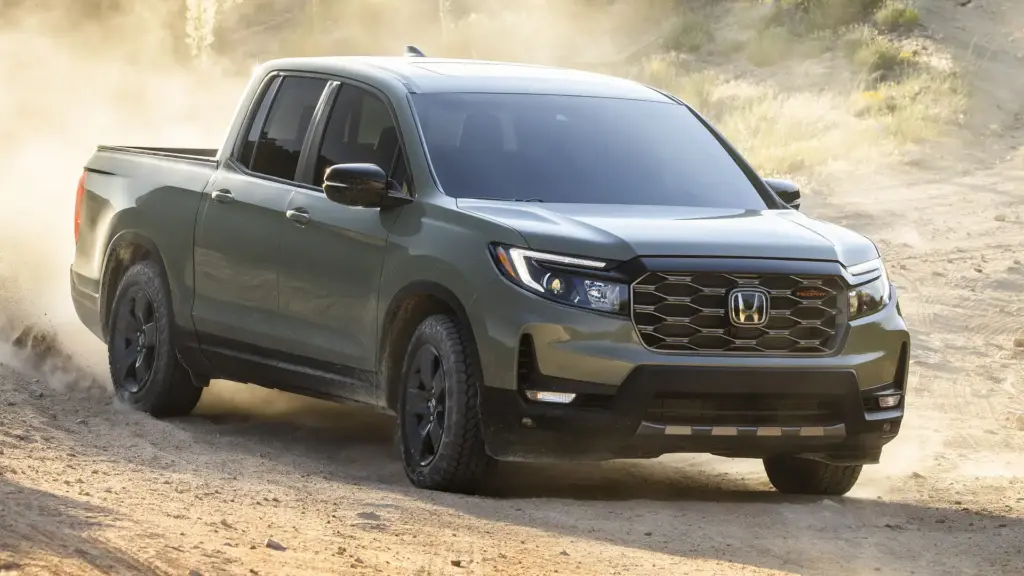
Joseph acknowledged the appeal of larger vehicles like the Pilot SUV and Ridgeline ute in the Australian market. However, he cautioned that these models could not be simply converted to right-hand drive without a solid business case.
“I’ve been with Honda for 27 years, and I do feel that right now, we are at the best balance of regional autonomy, which is important, and global co-ordination, which is also important,” Joseph stated. “We are doing a better job at having the ability to offer products around the world a little better than we have in the past.”
Global Coordination and Regional Autonomy
The announcement comes as Honda aims to strike a balance between regional autonomy and global coordination. This strategy is crucial for markets like Australia, where consumer preferences and regulatory requirements can differ significantly from other regions.
Joseph emphasized that while there is a desire to expand the model range, each potential addition must be justified by a viable business case. This approach ensures that new models align with market demands and financial feasibility.
Challenges in Right-Hand Drive Adaptation
Adapting vehicles for right-hand drive markets presents significant engineering challenges and costs. The Ridgeline, for instance, has a decade-long lifecycle, and a third-generation model is not expected until around 2027. This timeline suggests that Honda’s large-size products may not be available globally until later in the decade.
Implications for the Australian Market
The move represents a cautious yet strategic approach to expanding Honda Australia’s vehicle offerings. By waiting for the right moment and ensuring the right-hand drive adaptations are financially viable, Honda aims to strengthen its presence in the competitive Australian automotive market.
Meanwhile, the broader automotive industry is witnessing a shift towards electrification and modular vehicle architectures. These trends are likely to influence how manufacturers like Honda develop and introduce new models across different regions.
As Honda continues to evaluate its global portfolio, the potential introduction of a large SUV and ute in Australia could cater to the growing demand for versatile and spacious vehicles. This development follows a broader industry trend of automakers expanding their model ranges to capture diverse consumer preferences.
Looking ahead, Honda Australia’s strategy will likely focus on aligning its offerings with market demands while leveraging global resources. The company’s ability to adapt and innovate in response to these challenges will be key to its success in the coming years.