

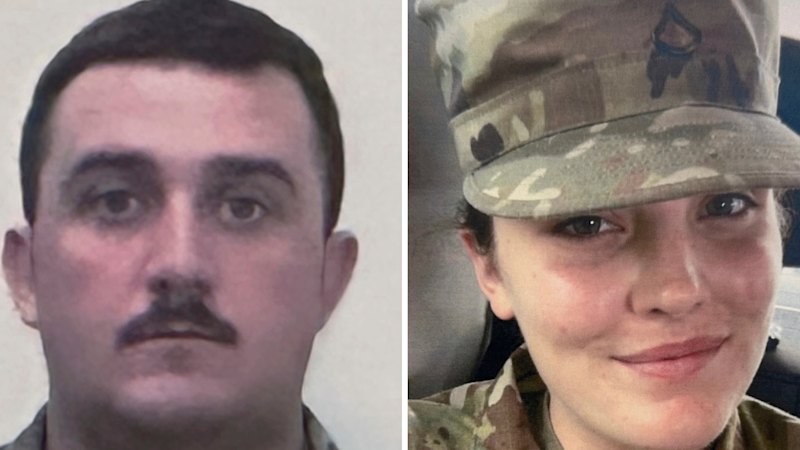
Washington: In a shocking development, a man suspected of shooting two National Guard members near the White House has been identified as Rahmanullah Lakanwal, a 29-year-old Afghan national. Authorities revealed that Lakanwal drove across the United States with the intent to carry out the attack, which they are investigating as a potential terrorist act.
Lakanwal entered the United States in 2021 through Operation Allies Welcome, a program designed to resettle vulnerable Afghans who assisted the U.S. during its military presence in Afghanistan following the September 11, 2001 attacks. His involvement with the U.S. government included working with the CIA as part of a partner force in Kandahar, according to CIA Director John Ratcliffe.
Details of the Attack
The attack occurred just two blocks from the White House, where Lakanwal allegedly opened fire on National Guard members Sarah Beckstrom, 20, and Andrew Wolfe, 24, both from the West Virginia National Guard. The assault was described as a “brazen and targeted attack” by Jeanine Pirro, the U.S. attorney for the District of Columbia. Lakanwal used a .357 Smith & Wesson revolver, shooting one guard multiple times before being subdued by nearby personnel.
Both victims remain in critical condition, with Beckstrom’s father expressing grave concerns about her recovery. “She has a mortal wound. It’s not going to be a recovery,” he told The New York Times.
Legal and Investigative Actions
Lakanwal faces charges of assault with intent to kill while armed, carrying a potential 15-year sentence. However, these charges could escalate to first-degree murder if either victim succumbs to their injuries. The FBI, led by Director Kash Patel, is spearheading an international terrorism investigation, examining Lakanwal’s connections both domestically and abroad.
Searches have been conducted, including at Lakanwal’s home in Bellingham, Washington, where he lived with his wife and possibly five children. The investigation has sparked a reevaluation of security protocols for Afghan nationals resettled in the U.S.
Political and Public Reactions
The incident has ignited a political firestorm, with critics questioning the vetting process of Afghan refugees under Operation Allies Welcome and its successor, Enduring Welcome. U.S. Citizenship and Immigration Services has halted processing related to Afghan nationals pending a security review.
Vice President JD Vance, who previously voiced concerns about the resettlement program, reiterated his stance, stating, “They shouldn’t have been in our country.” Meanwhile, President Donald Trump has ordered additional National Guard troops to Washington, D.C., and announced a review of Afghan arrivals under the Biden administration.
“We must now re-examine every single alien who has entered our country from Afghanistan under Biden, and we must take all necessary measures to ensure the removal of any alien from any country who does not belong here or add benefit to our country,” President Trump declared.
Historical Context and Future Implications
The case of Rahmanullah Lakanwal highlights the complexities and challenges of resettling foreign nationals who have assisted U.S. military efforts abroad. Similar concerns arose with the resettlement of Iraqi interpreters and personnel following the Iraq War. The current situation underscores the delicate balance between honoring commitments to allies and ensuring national security.
As the investigation unfolds, it is likely to influence future immigration and national security policies, potentially leading to stricter vetting processes and heightened scrutiny of asylum seekers. The outcome of this case could set a precedent for how the U.S. handles similar situations in the future.
In the coming weeks, authorities are expected to release more information as they piece together the suspect’s motives and connections. The nation watches closely as this tragic event continues to unfold, with implications that may resonate far beyond the immediate aftermath.