

Washington: The White House has confirmed that the US military launched a second lethal strike on a suspected drug trafficking boat, killing survivors from an initial attack. This action, which critics have compared to a war crime, appears to contravene the Navy’s own operational guidelines.
The controversy stems from a September 2 operation off the coast of South America, marking the first of over 20 strikes against alleged drug boats under the Trump administration. The initial strike resulted in the deaths of 11 individuals suspected of being “narco-terrorists” transporting drugs across international waters to the United States.
Allegations of a Directive to “Kill Everybody”
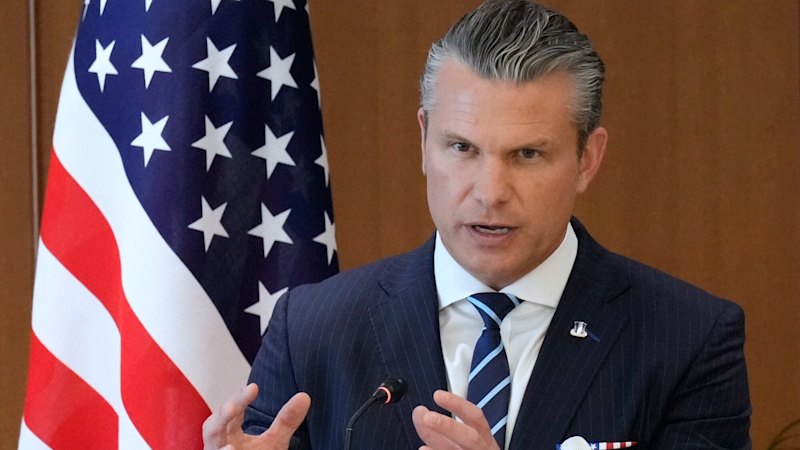
The Washington Post reported that War Secretary Pete Hegseth allegedly issued a verbal directive before the strike. According to two sources familiar with the operation, Hegseth’s order was to “kill everybody.” When two individuals survived the initial assault, Admiral Frank “Mitch” Bradley reportedly ordered a second strike to fulfill Hegseth’s directive.
Hegseth has dismissed the report as “fabricated, inflammatory, and derogatory.” Pentagon spokesman Sean Parnell echoed this sentiment, stating that the narrative presented by the Post was entirely false. However, White House press secretary Karoline Leavitt confirmed on Tuesday that Hegseth authorized Bradley to conduct “these kinetic strikes.” When questioned about the second strike, Leavitt asserted that Bradley acted within his authority.
Legal and Ethical Concerns
According to the War Department’s manual on the laws of war, individuals incapacitated by shipwreck are considered helpless and should not be targeted. Similarly, the US Navy’s handbook on naval operations states that combatants who are out of the fight due to shipwreck should not be attacked, as this would constitute a “grave breach of the law of armed conflict.”
Leavitt contended that the strike was conducted in accordance with the law of armed conflict and took place in international waters. Nonetheless, the incident has prompted multiple congressional inquiries, with both Republican and Democratic leaders of the Senate Armed Services Committee pledging to conduct a thorough investigation.
“We’re going to have hearings, we’ll put people under oath,” said Democratic Senator Mark Kelly, a former naval officer and member of the committee. “I’ve got serious concerns about anybody in that chain of command stepping over a line that they should never step over.”
Political and Military Repercussions
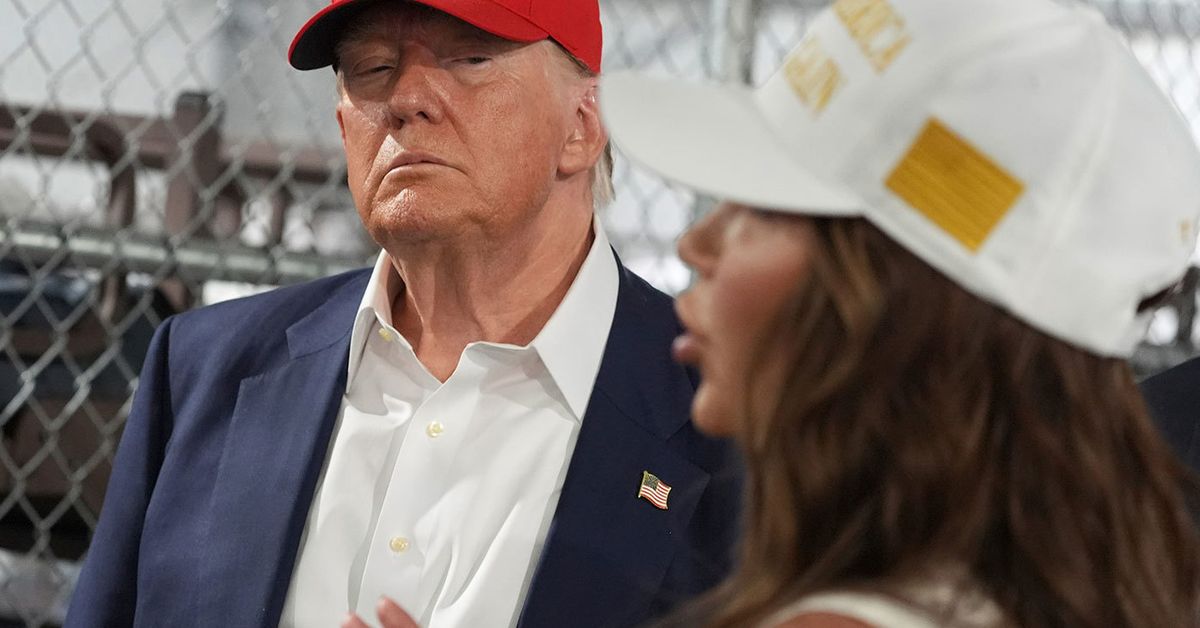
President Donald Trump has stated he would not have approved a second strike on survivors and believes Hegseth is not responsible for the alleged directive. “Pete said that didn’t happen … Pete said he did not order the death of those two men,” Trump remarked. “We’ll look into it.”
Since the September 2 operation, over 80 individuals have been killed by US strikes on boats suspected of drug trafficking in the Caribbean and Pacific Oceans. The Trump administration has characterized these operations as part of an armed conflict with narcotics cartels, labeling suspected traffickers as “unlawful combatants” linked to Venezuelan gangs such as Tren de Aragua.
Meanwhile, the US military presence in the Caribbean has been bolstered, including the deployment of a nuclear-powered submarine and the USS Gerald R. Ford, the world’s largest aircraft carrier. President Trump has also advised airlines to avoid Venezuelan airspace, which some analysts interpret as a prelude to expanded military actions or a strategic move in negotiations with Venezuelan leader Nicolás Maduro.
Looking Ahead
The unfolding situation raises significant questions about the legality and ethics of the US’s approach to drug trafficking operations. As congressional committees prepare to investigate, the outcome could have far-reaching implications for military policy and international relations.
In the coming weeks, the inquiries will seek to uncover the truth behind the controversial strikes and assess the accountability of those involved. The findings could influence future military engagements and shape the US’s stance on international drug trafficking operations.