



A 27-year-old woman from New Zealand, Paige Suisted, has become the center of a medical mystery after a brain tumor, once the size of a golf ball, vanished without a trace. Diagnosed with stage-four astrocytoma, Suisted’s recent scans have shown no signs of the tumor, leading doctors to describe her case as a “medical anomaly.”
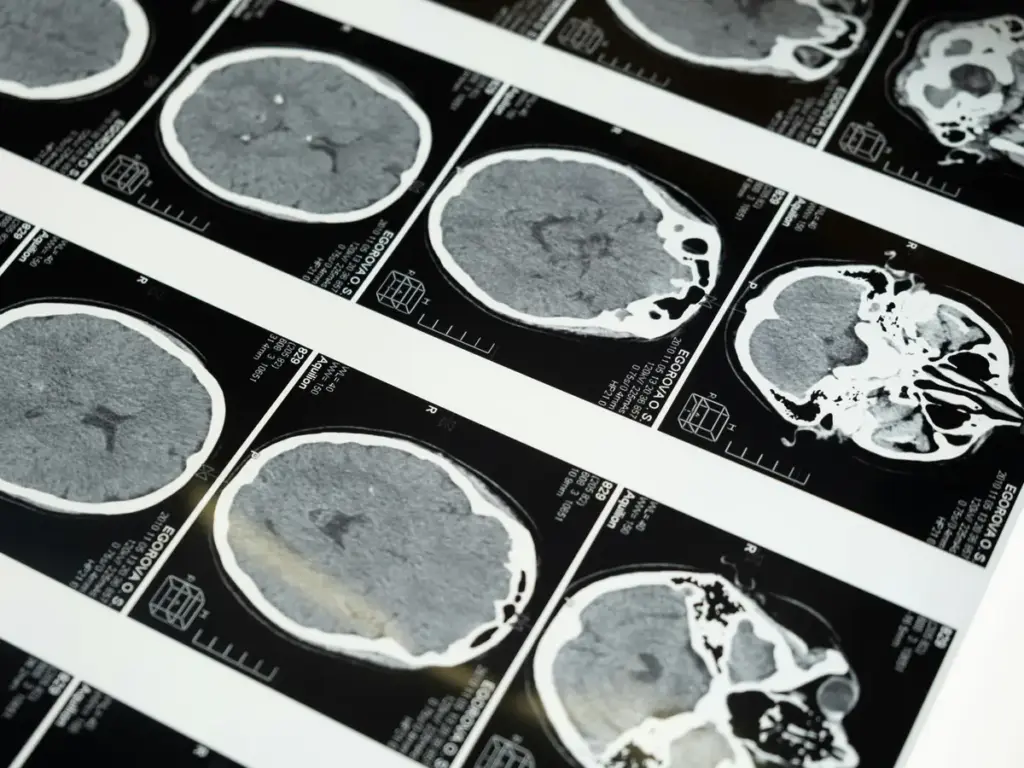
Suisted’s ordeal began in April 2024 when she experienced numbness in her fingers, which soon spread to her arms and legs. Concerned, she sought medical advice from various doctors, each providing a different diagnosis. Frustrated and desperate, she eventually called an ambulance and was admitted to the hospital, where a series of CT scans, MRIs, and a brain biopsy confirmed the presence of a malignant tumor.
The Medical Journey
The diagnosis of a stage-four astrocytoma was devastating for Suisted. The tumor was pressing against nerves controlling the right side of her body, making surgery a risky option. “It was a 50–50 chance it would work, and a 50–50 chance I’d be fully paralysed, most likely not able to talk or walk again,” Suisted shared with Daily Mail Australia.
Opting for non-surgical treatment, Suisted embarked on a year-long journey of medical therapies, documenting her experience on Instagram. Her story took a miraculous turn when follow-up scans revealed the tumor had disappeared. “In my last few scans, there’s been nothing there,” she said. “This massive golf ball in my brain … we can’t see any of it on the MRIs.”
Medical Community Stunned
Suisted’s case has left the medical community in awe. Experts are struggling to understand how such a significant tumor could vanish without surgical intervention. “They haven’t had a cancer patient like this. They don’t even understand it themselves,” Suisted remarked about her doctors’ reactions.
“Medical anomaly” is how several professionals have described Suisted’s case, highlighting the uniqueness of her situation.
Despite the disappearance of the tumor, doctors are considering surgery to ensure no cancer cells remain. This cautious approach underscores the complexity and unpredictability of cancer treatment.
Historical Context and Expert Opinions
Historically, spontaneous regression of tumors is rare but not unheard of. Medical literature documents instances where tumors have inexplicably shrunk or disappeared, often attributed to factors like immune response or hormonal changes. However, these cases remain outliers in the broader spectrum of cancer treatment.
Dr. Jane Thompson, an oncologist not involved in Suisted’s treatment, commented, “Spontaneous remission is a phenomenon that continues to intrigue and challenge our understanding of cancer biology. Each case offers a unique opportunity to learn more about potential mechanisms that could one day inform new therapies.”
Implications and Future Steps
Suisted’s case raises important questions about the nature of cancer and the body’s ability to heal itself. It also highlights the need for further research into the mechanisms behind spontaneous tumor regression.
As Suisted awaits further medical evaluation, her story offers hope and intrigue, inspiring both the medical community and those affected by cancer. The next steps in her journey will be closely watched by experts and the public alike, as they may provide valuable insights into the mysteries of cancer treatment and recovery.
For now, Paige Suisted remains a beacon of hope, a living testament to the unpredictable nature of medicine and the resilience of the human body.