




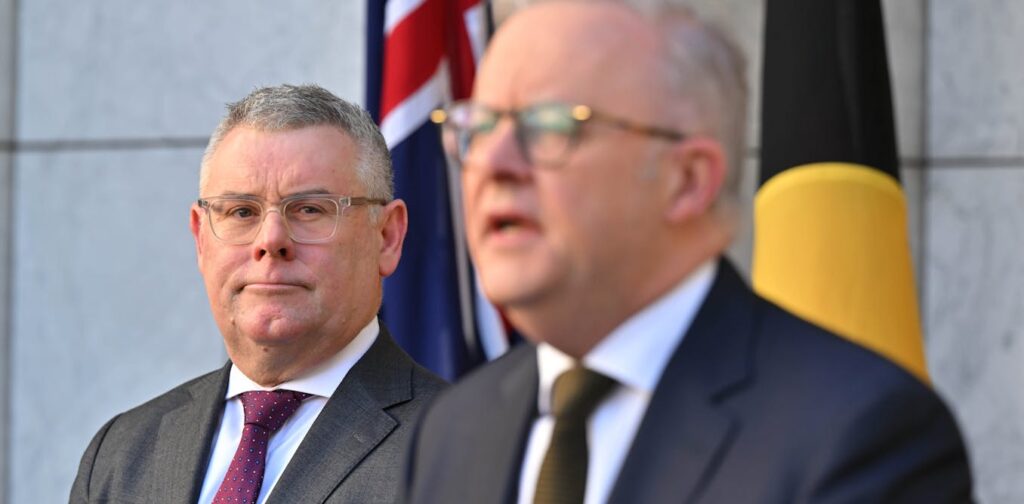
In a decisive political maneuver, Environment Minister Murray Watt successfully pushed through significant reforms to the Environment Protection and Biodiversity Conservation (EPBC) Act, leaving the opposition Liberals flat-footed. The Greens, seizing the opportunity, secured key concessions on native forest logging and land clearing, and ensured fossil fuel projects were excluded from fast-track approvals.
The announcement marks the culmination of over five years of legislative efforts, with Watt maintaining an open stance towards negotiations with either the Coalition or the Greens. Ultimately, the Liberals failed to capitalize on the opportunity, a failure made more poignant by the fact that former Environment Minister Sussan Ley had commissioned the independent review by Graeme Samuel in 2020, which formed the basis for the new legislation.
Missed Opportunities and Political Dynamics
The Liberals’ inability to agree on a mutually acceptable deal with the government has been attributed to various factors, including claims of rushed legislation. However, the protracted timeline of the issue suggested that further delays would only exacerbate the situation. Labor sources criticized the Coalition’s negotiation strategy, highlighting late-stage demands that complicated discussions.
Jonno Duniam, the manager of opposition business in the Senate, was reportedly keen on reaching an agreement. Despite his confidence, the Coalition failed to secure a deal, a move that disappointed both business leaders and political allies. Western Australian Labor Premier Roger Cook expressed regret over the missed opportunity for bipartisan support, which could have better addressed industry concerns.
The Greens’ Strategic Advantage
The Greens’ ability to negotiate effectively with the government underscores a significant shift in political alliances. Graeme Samuel, reflecting on the outcome, remarked that the Coalition had rendered itself irrelevant after years of obstruction. He advised businesses dissatisfied with the legislation to direct their grievances towards the opposition rather than the government or the Greens.
The reform represents a substantial victory for the government, addressing criticisms from the left for more progressive policies. The new legislation promises to expedite development project decisions while enhancing environmental protections, marking a personal triumph for Minister Watt, who is recognized as one of the government’s most effective ministers.
Economic Pressures and Political Challenges
While Watt celebrates his legislative success, other government figures face mounting pressures. Treasurer Jim Chalmers is grappling with economic challenges, including a recent inflation uptick to 3.8% over the year to October, which complicates interest rate forecasts and budget planning. Calls for extended power bill relief add to Chalmers’ fiscal headaches as he prepares the mid-year budget update.
Climate and Energy Minister Chris Bowen also finds himself under scrutiny. The opposition has criticized his dual role in managing domestic energy policies and leading negotiations at the upcoming United Nations climate conference (COP). Bowen remains confident in balancing these responsibilities, pointing to precedents set by previous ministers.
Political Shifts and Future Implications
The political landscape continues to evolve, with former Prime Minister Malcolm Turnbull’s portrait unveiling ceremony serving as a backdrop for critiques of the opposition’s environmental policy stance. Turnbull’s comments highlighted the Coalition’s missed opportunity to engage constructively in environmental reform.
Meanwhile, Barnaby Joyce’s departure from the Nationals adds another layer of complexity to the political scene. Joyce, eyeing a potential Senate run with One Nation, promises to bring his maverick style to the legislative process, asserting his influence on future policy decisions.
As the parliamentary year concludes, the government’s environmental reform success sets the stage for ongoing political and economic debates. The implications of these developments will unfold in the coming months, shaping the trajectory of Australia’s environmental and economic policies.