




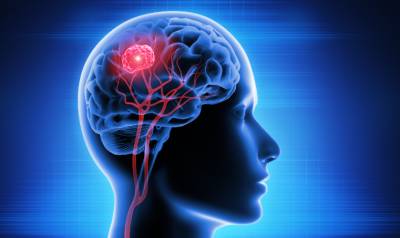
The National Institute for Health and Care Research (NIHR) has launched a groundbreaking £13.7 million Brain Tumour Research Consortium, uniting 48 hospitals, universities, cancer centers, charities, and patients across the UK. This coordinated national effort seeks to revolutionize outcomes for individuals living with brain tumours and their families.
Leading the consortium are Professor Juanita Lopez from The Royal Marsden NHS Foundation Trust, Professor Darren Hargrave from UCL Great Ormond Street Institute of Child Health, and Dr. Richard Mair from the Cancer Research UK Cambridge Institute. Their leadership is set to drive forward the UK’s capabilities in developing and delivering clinical trials aimed at improving therapies and outcomes for patients of all ages.
Uniting Experts for a Common Cause
Professor Darren Hargrave expressed gratitude for the NIHR’s support, stating, “I would like to thank the NIHR for their funding and support to establish this new national NIHR Brain Tumour Research Consortium, which aims to transform the UK’s ability to develop and deliver clinical trials leading to better therapies and improved outcomes for patients and their carers impacted by brain tumours irrespective of age.”
The consortium’s mission is to integrate the UK’s leading clinical researchers and scientists while nurturing the next generation of researchers in the fight against brain cancer. Professor Hargrave highlighted the collaborative spirit of the initiative, noting, “I am honoured to work with Juanita Lopez and Richard Mair in co-leading the consortium. In partnership with colleagues from across the UK, alongside patients and their families and in solidarity with charity and industry partners, we aim to rise to the huge challenge to truly make a difference in these devastating diseases.”
Addressing the Challenges of Brain Tumour Research
Brain tumours are notoriously difficult to treat, with thousands diagnosed annually. Professor Lucy Chappell, chief scientific adviser at the Department of Health and Social Care and NIHR chief executive, emphasized the importance of this initiative: “Brain tumours are one of the most difficult cancers to treat with thousands of people diagnosed each year. This new funding aims to shift the dial in brain tumour research, accelerating the UK towards more life-changing treatments for adults and children with this deadly disease.”
The consortium aims to tackle five major challenges in brain cancer research:
- Large variation among over 100 brain cancer types, affecting patients differently.
- Limited availability of new drugs for testing.
- Insufficient research facilities, leaders, and staff.
- Shortcomings in research study planning and execution.
- Lack of consistent support for brain cancer research.
Innovative Approaches and Future Prospects
This world-leading consortium will enhance the understanding of brain tumours, test new treatments earlier, and make trials more accessible. The focus will be on precision medicine, radiotherapy techniques, and gene and immunotherapies. This approach aims to generate robust evidence to support NHS access to effective treatments and improve health outcomes.
Minister for Public Health and Prevention, Ashley Dalton, remarked on the significance of the consortium: “Brain tumours devastate lives, and for too long we haven’t had the right tools to tackle them effectively. By bringing together our brilliant researchers, NHS teams, charities and patients, we’re taking a major step forward in our mission to create an NHS Fit for the Future and ensure fewer lives are lost to the biggest killers.”
Building a Stronger Research Framework
The consortium will engage in several key activities:
- Enrolling patients in ‘real world’ studies to track progress and match them to clinical trials.
- Developing pioneering clinical trials, including platform trials, for targeted therapies.
- Creating training programs to build capacity and skills among future researchers.
- Ensuring patient involvement in all aspects of research.
There are 13,000 new brain, other Central Nervous System (CNS), and intracranial tumour cases in the UK each year, making these the eighth most common cancer in the UK, accounting for 3% of all new cancer cases.
Further NIHR funding for brain tumour treatment trials is anticipated in early 2026, complementing ongoing research by other organizations such as the Medical Research Council and UK Research and Innovation.
The establishment of the NIHR Brain Tumour Research Consortium marks a significant step in transforming the landscape of brain tumour research in the UK, offering hope for improved treatments and outcomes for thousands affected by this challenging disease.